
Last updated October 17, 2026
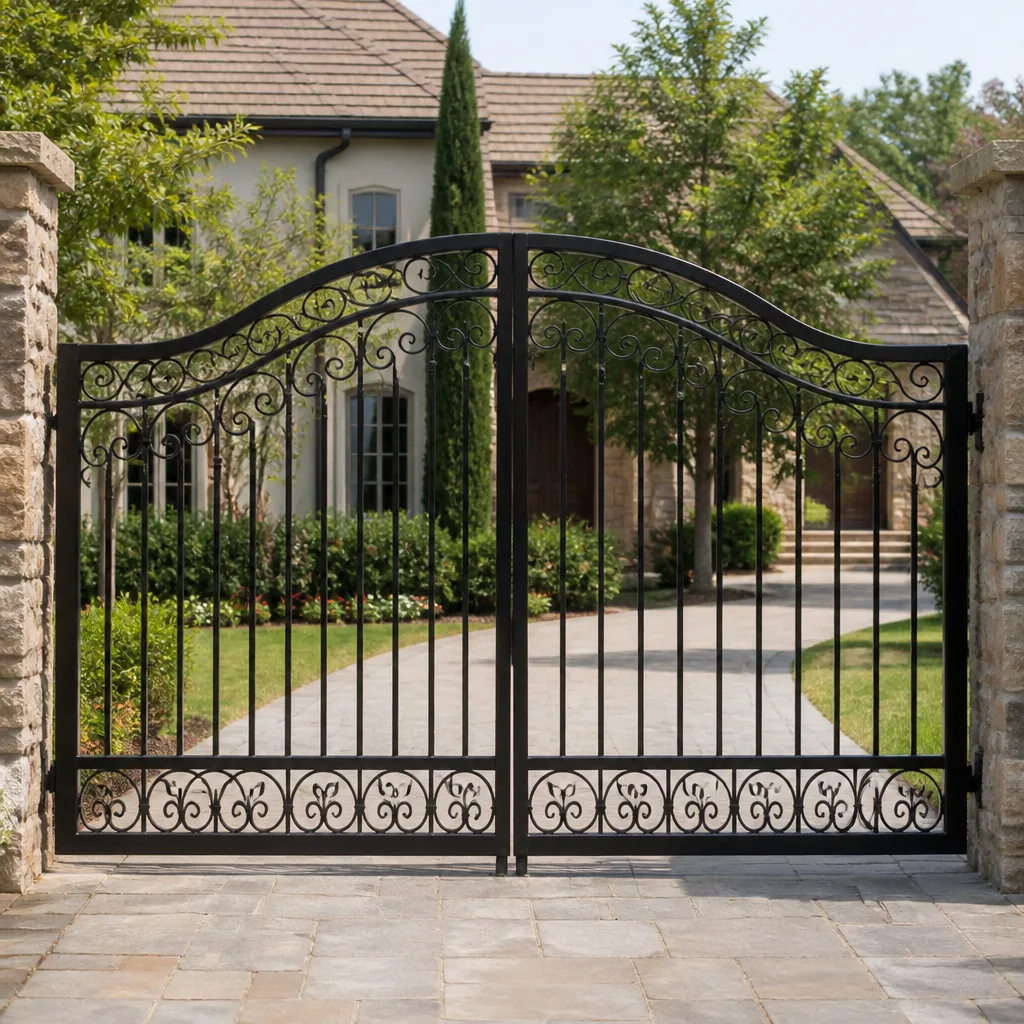 Wrought iron
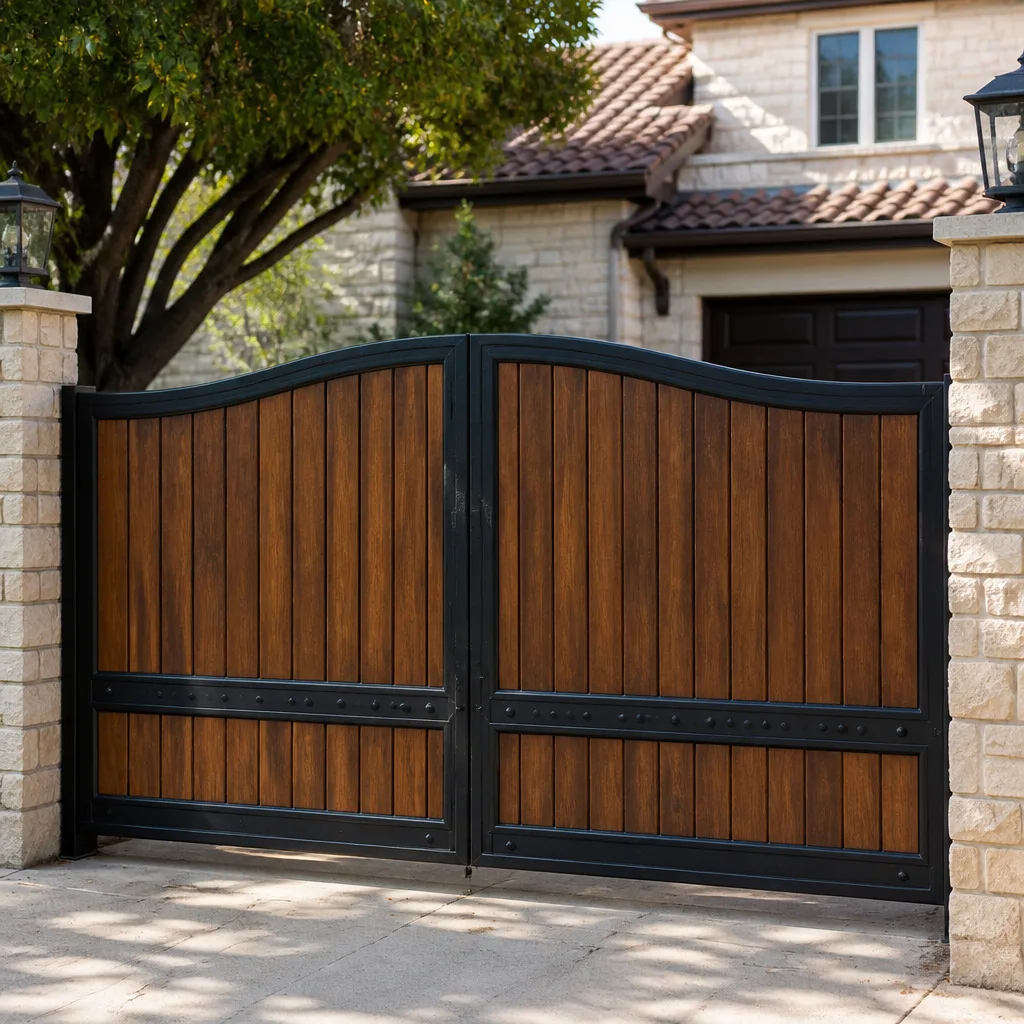 Wood & steel frame
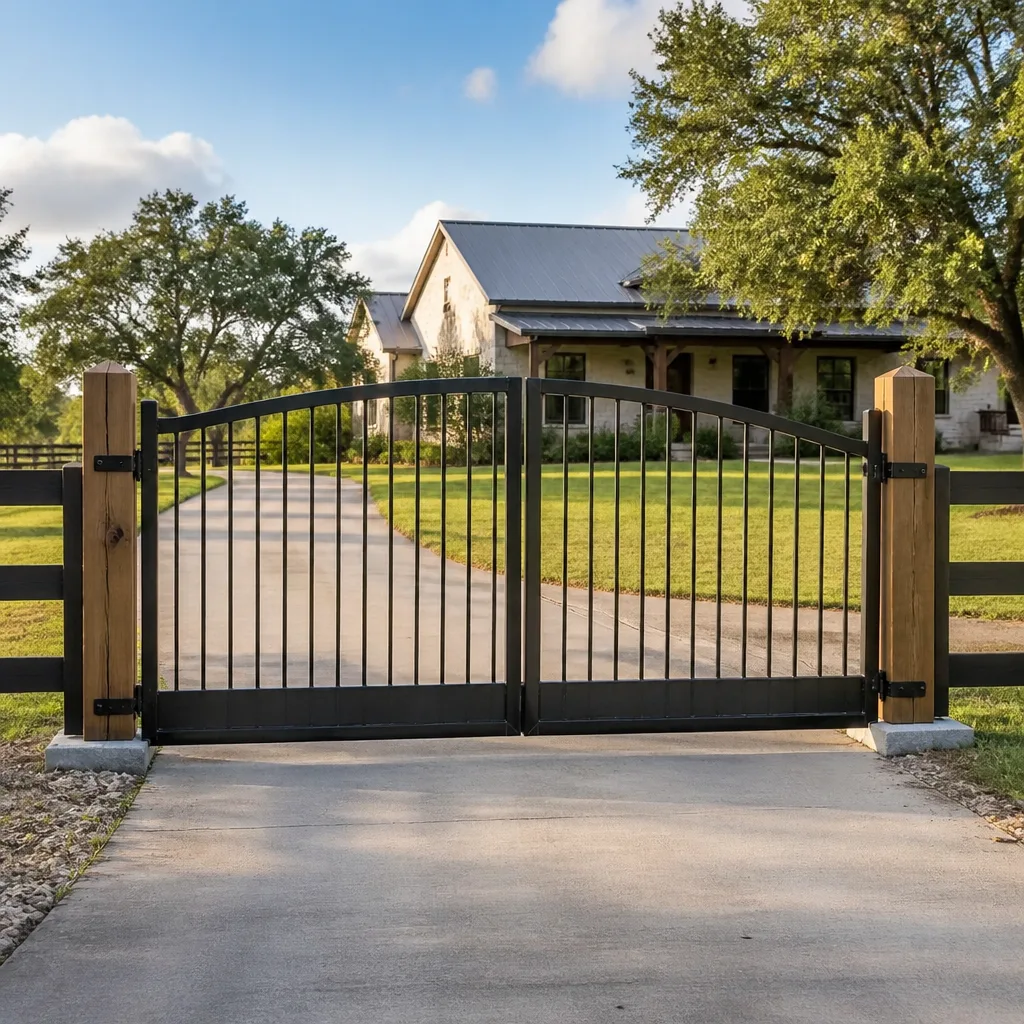 Farm & ranch
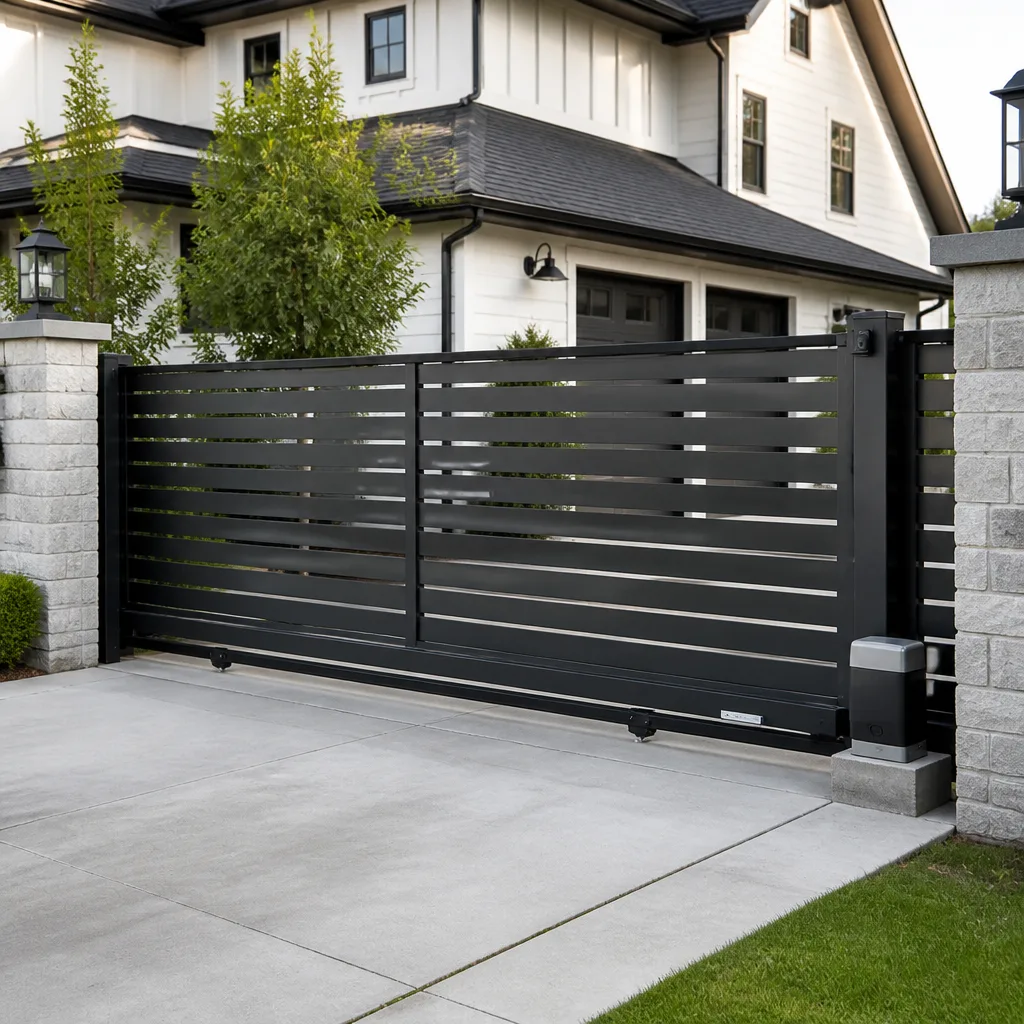 Sliding driveway gates
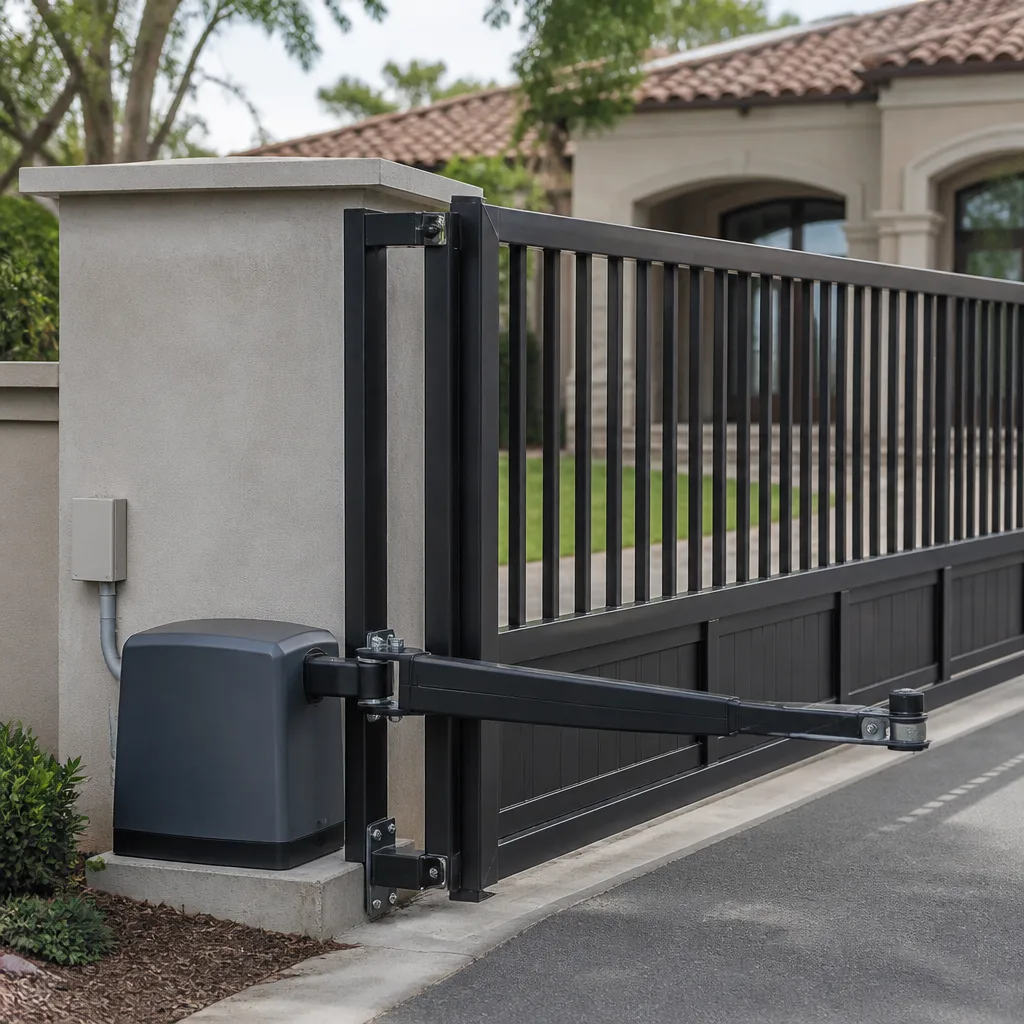 LiftMaster operators
Free on-site gate assessment - hinges, posts, and your LiftMaster or Nice gate operator checked before anything is quoted
The assessment is free and the quote is the invoice.
Get your free estimateSeasonal Gate Repair Care for San Francisco: Year-Round Homeowner’s Guide
October in San Francisco is statistically drier than July. Most homeowners in the Sunset, Richmond, and Noe Valley seal their wooden gates in late summer, assuming they are preparing for rain. What they are actually doing is sealing moisture into wood that spent June, July, and August absorbing fog. This guide reframes gate care around San Francisco’s actual weather patterns, not a generic four-season calendar. For deeper background, see The Complete Guide to Gate Repair in San Francisco. You will learn what to tighten, what to seal, what to leave alone, and when it is worth paying a professional to look at the latch and the post.
Styles & brands we work with
Quick Answer
San Francisco gate care works best when it follows the city’s real seasonal rhythm: inspect and tighten hardware in September and October when dry offshore winds stress hinges, seal wood and prep electric motors in November before the rain arrives, and book a full inspection between March and May when the ground has settled and moisture levels stabilize. Wooden gates in San Francisco move with fog-driven humidity swings from 45% to over 90% relative humidity, which means latch alignment shifts more from moisture than from mechanical wear.
Table of Contents
- San Francisco’s Actual Gate-Stress Calendar
- June Through August: Fog, Moisture Expansion, and Swollen Wood
- September and October: Dry Wind, Hinge Stress, and the Right Time to Tighten
- November Through February: Rain, Post Heave, and Electric Motor Prep
- March Through May: The Optimal Repair and Sealing Window
- How Cedar and Redwood Gates Move Across San Francisco’s Humidity Range
- Winter Prep Checklist for Electric Gate Motors in San Francisco
- What a Latch & Post Seasonal Tune-Up Covers
- Common Mistakes to Avoid
- When to Call a Professional
- Frequently Asked Questions
- The Bottom Line
San Francisco’s Actual Gate-Stress Calendar
San Francisco does not have four seasons. It has three distinct stress periods for gates, and they do not line up with what a homeowner in Sacramento or Walnut Creek experiences. Fog season runs June through August. Dry wind season runs September through October. Rain season runs November through February. Spring, from March through May, is the calm window when repairs hold best.
Here is what each period does to a gate:
- Fog season (June-August): Night and morning fog pushes relative humidity above 90% in the Avenues and western neighborhoods. Wooden gates absorb that moisture and swell. Latch bolts that caught cleanly in May suddenly bind or miss the strike plate entirely.
- Dry wind season (September-October): Offshore winds drop humidity into the 20-30% range. Wood shrinks. Hinges carry more load as the gate’s weight distribution shifts. Screws that held firm for years start to back out of dried-out post fibers.
- Rain season (November-February): Soil around gate posts saturates and expands. Posts heave slightly. Concrete footings shift by fractions of an inch. That fraction is enough to make an electric gate’s safety sensor misalign or a double gate’s center latch miss by half an inch.
- Spring (March-May): Soil settles, humidity stabilizes in the 50-65% range, and wood reaches its equilibrium moisture content. Repairs and sealants applied now have the best chance of staying put through the next fog cycle.
Our technicians at Latch and Post Gate Repair San Francisco home have been tracking these patterns since 2009. The calls we get in August are almost always latch alignment issues. The calls in January are almost always hinge and post issues. The season tells you what is failing before you even look at the gate.
June Through August: Fog, Moisture Expansion, and Swollen Wood
The summer months in San Francisco are not the dry season. Karl the Fog delivers marine layer moisture almost every night from June through August, especially west of Twin Peaks. A cedar or redwood gate in the Outer Richmond can absorb enough moisture overnight to gain a full eighth of an inch in width. That may sound small, but a latch bolt only overlaps its strike plate by about three-eighths of an inch. An eighth of an inch of wood movement is a third of your latch’s margin.
What to do during fog season:
- Test the latch weekly. Open and close the gate slowly. If the bolt scrapes the strike plate or needs a shoulder to close, take note. The gate will shrink again in September, and forcing it now bends hardware.
- Do not sand or plane swollen wood. This is the single most common mistake we fix in August. Homeowners plane down a sticking gate edge during fog season, then September’s dry winds shrink the wood and leave a quarter-inch gap. The gate looks like it was never fitted.
- Check hinge screws for rust. Fog deposits salt and moisture on hardware even when it is not raining. Stainless steel hinges handle this well. Zinc-plated hinges from a big-box store will show rust by late summer. A light wipe with a dry cloth monthly is enough. Do not oil hinges during fog season; the oil traps moisture against the metal.
- Leave the gate unpainted if you are planning to paint. Painting over fog-damp wood seals the moisture in. Wait for the September-October dry window. This is the single best piece of scheduling advice we can give a San Francisco homeowner.
Estimated DIY time per task: 10 minutes weekly for the latch test, 15 minutes monthly for hinge inspection. Nothing here requires tools beyond a flashlight and a rag.
If the latch binds so hard the gate will not close without force, that is a repair call, not a maintenance item. Forcing a swollen gate stresses the post, and the post is the structural part of the system. Our Gate Repair in San Francisco service handles latch realignment and post assessment. A technician can adjust the strike plate in about an hour, and you will get a written price before any work begins.
September and October: Dry Wind, Hinge Stress, and the Right Time to Tighten
September and October are San Francisco’s true dry season. Offshore winds from the Diablo Range push humidity into the 20s and 30s. Wooden gates shrink back to their smallest dimensions of the year. Every screw that held tight during fog season now sits in a hole that is slightly larger than it was. Hinges carry more load because the gate’s weight no longer rests as evenly against the post. This is the season when top hinges pull loose and gates sag.
What to do during dry wind season:
- Tighten every hinge screw. Use a screwdriver, not a drill. A drill will over-torque stripped holes. If a screw spins without catching, remove it, pack the hole with a small sliver of exterior-grade hardwood or a wood toothpick coated in exterior wood glue, let it dry 24 hours, and re-drive the screw. This takes about 30 minutes per hinge.
- Check the gate’s sag. Open the gate to 45 degrees and let go. If it swings toward the ground, the top hinge has loosened or the post has shifted. A sagging gate grinds its latch against the strike plate every time it closes, wearing both down.
- Seal or paint now if you are going to. Wood is at its driest and most receptive. Use an exterior penetrating oil or a marine-grade wood sealer. Avoid film-forming paints that trap residual moisture; on the coast, penetrating finishes outperform film finishes on gates. Budget two hours for a standard single gate: one hour of prep and one hour of application.
- Lubricate the latch mechanism. Now is the right time. Use a dry PTFE lubricant or a light machine oil. Do not use WD-40 as a long-term lubricant; it displaces moisture but leaves almost no lasting film. A small squeeze of white lithium grease on the latch bolt’s moving parts works well.
- Check gate alignment top to bottom. Stand back and sight down the gate’s top rail. It should run parallel to the ground. If it does not, the post or the hinge hardware is the issue. Do not adjust the latch to compensate for a sagging gate; fix the sag first.
September and October are also the right months to book any Gate Installation in San Francisco project. Dry soil makes for clean post hole digging, and new wood has four to five months of mild weather to acclimate before the next fog season. If you have been thinking about replacing a gate, this is the window.
November Through February: Rain, Post Heave, and Electric Motor Prep
San Francisco’s rain season is short compared to the Pacific Northwest, but it is intense. The city gets roughly 23 inches of rain in a normal year, and most of it falls between November and February. Rain does two things to a gate system. First, it soaks the soil around gate posts, which expands and heaves the footing upward by a small fraction of an inch. Second, it tests every seal, gasket, and drainage channel on an electric gate operator.
What to do before the first heavy rain:
- Inspect the post bases. Look for cracks in concrete footings or gaps between the post and the ground. A quarter-inch gap lets water pool against the post. Backfill with exterior-grade caulk or gravel. If the post wiggles when you push on it with two hands, the footing is failing, and that is a structural repair call.
- Check the gate’s drainage path. Water should not pool against the gate’s bottom rail. If your gate sits in a low spot, add a French drain or a simple gravel channel to move water away. A wooden gate sitting in standing water will rot from the bottom rail up within two to three seasons.
- Test the gate’s ground clearance. When soil heaves in January, a gate with two inches of clearance in October may drag by February. If your gate scrapes the ground after a heavy rain, note it. It will settle back in spring, but you may need a hinge adjustment rather than a trim.
- Wipe down hinges and latch hardware after heavy rain. Thirty seconds with a dry cloth prevents a season of rust. This is especially important on gates within a mile of Ocean Beach, where salt spray accelerates corrosion.
- For electric gates, test the safety sensors. Rain and dirt on sensor lenses cause false reversals or failure to stop. A damp cloth on the lenses resolves most cases. If the gate opens but will not close, the sensor is usually the culprit.
Electric gate motors in San Francisco fail more often in January than any other month. Moisture gets into the control board through worn weatherstripping, condensation forms inside the housing, and the board shorts. If your operator is a Ghost Controls, DoorKing, or Mighty Mule unit, the manufacturer’s weather rating assumes the housing gasket is intact. Most units over five years old have dried or cracked gaskets. We cover this in the winter prep checklist below.
March Through May: The Optimal Repair and Sealing Window
Spring in San Francisco is the best time to book a full gate inspection. The ground has settled after rain season. Wood has reached its equilibrium moisture content, which means it will not shrink or swell dramatically for several months. Any repair made now will hold through the fog season and into summer. A latch realignment done in March stays aligned in August. A hinge replacement done in April carries a gate cleanly through October’s dry winds.
Why spring beats fall for repairs:
- Post stability: Rain-season heave has reversed, and the post is sitting where it will sit for the next eight months. Adjustments made now do not get undone by soil movement.
- Wood stability: A gate that reads 50-60% relative humidity in April will read the same in June and July. Spring repairs do not need re-doing after the next weather shift.
- Sealant cure time: Most exterior sealants and penetrating oils cure best between 55°F and 75°F with moderate humidity. March through May in San Francisco sits squarely in that range.
- Contractor availability: Everyone calls for gate repairs in January when a post heaves or a motor shorts. Spring is calmer, which means faster scheduling and more attention to detail.
For the DIY-minded, spring tasks are straightforward: clean the gate with a mild soap and water, inspect every screw and bolt, lubricate the latch, and note any rust or wear. See our DIY vs Professional Gate Repair: The San Francisco Homeowner’s Decision Guide to know when to stop. Budget 45 minutes for a single gate. For electric gates, test the auto-reverse function by placing a cardboard box in the gate’s path and closing it. If the gate does not reverse, that is a safety issue that needs professional attention immediately.
How Cedar and Redwood Gates Move Across San Francisco’s Humidity Range
San Francisco’s relative humidity swings are larger than most people realize. On a foggy August night in the Outer Sunset, outdoor RH can hit 92%. On a dry October afternoon in the Mission, RH can fall to 25%. Wood responds to that range by expanding and contracting along its width. A 40-inch-wide cedar gate can move a quarter of an inch between July and October. Redwood moves slightly less. Horizontal grain orientation moves more than vertical grain.
What this means for your latch:
A standard gate latch has a strike plate opening roughly half an inch wide. The latch bolt itself is about half an inch in diameter. That leaves very little room for error. When the gate swells in July, the latch bolt’s path shifts, and it may hit the edge of the strike plate instead of the center. When the gate shrinks in October, the gap between gate and post widens, and wind rattles the gate against the latch.
The solution is not a bigger strike plate. It is adjusting the latch at the right time. A latch adjusted in April, when wood is at its midpoint, will function through most of the year. A latch adjusted in August, when wood is at its maximum swell, will rattle from October through February. A latch adjusted in October, when wood is at its minimum, will bind in July.
In our experience, the most common gate complaint in San Francisco from June through August is “the gate won’t close without slamming it.” The most common complaint from December through February is “the gate rattles in the wind.” Both symptoms trace back to wood movement and hinge wear, not a broken latch. A technician who understands the city’s humidity range will adjust the hardware once, correctly, and explain why the gate behaves the way it does throughout the year.
Winter Prep Checklist for Electric Gate Motors in San Francisco
Electric gate operators are the expensive part of a gate system to replace. Most operator failures in San Francisco happen during rain season, and most of those failures are preventable. Here is a winter prep checklist with the approximate cost of skipping each step. Prices reflect typical San Francisco market rates for parts and labor. You will always get a written price before work begins, so none of these numbers will surprise you.
- Check the weatherstripping and gasket on the operator housing. A cracked gasket lets moisture into the control board housing. Cost to skip: $350 to $900 for a new control board when condensation shorts it. Cost to fix: about $15 for a replacement gasket and 20 minutes of labor.
- Verify drainage around the operator. The operator should sit above grade with no standing water nearby. Cost to skip: $400 to $1,200 for a flooded motor or gearbox. Cost to fix: regrade or add gravel for $50 to $150.
- Inspect the battery backup if your operator has one. Ghost Controls and DoorKing units often include battery backup for operation during power outages. Test it by unplugging the operator and attempting to open the gate. Cost to skip: a dead battery discovered during a February outage means the gate will not open. Cost to fix: battery replacement typically runs $80 to $250 depending on the unit.
- Lubricate the operator’s drive chain or screw. Use the lubricant specified in the owner’s manual. Most manufacturers recommend a light machine oil for chains and white lithium grease for screw drives. Cost to skip: a seized drive component runs $200 to $600 to replace. Cost to fix: $10 for lubricant and 15 minutes.
- Test the safety sensors and auto-reverse. A gate that does not reverse on contact is a liability and a safety hazard. Cost to skip: injury to a child or pet, plus a repair bill when the gate drives into an obstruction and bends the gate frame. Cost to fix: sensor cleaning is free; sensor replacement runs $50 to $150.
- Check the keypad and intercom seals. Rain gets into unsealed keypads and corrodes the contacts. Cost to skip: $200 to $500 for a new keypad or intercom. Cost to fix: dielectric grease on the contacts, $5 and 10 minutes.
If your operator is a DoorKing, Elite, Mighty Mule, or Ghost Controls unit, these checks apply across the board. The brands differ in control board design and battery configuration, but the failure modes in San Francisco’s rain season are the same: moisture intrusion, drainage problems, and neglected maintenance.
What a Latch & Post Seasonal Tune-Up Covers
A seasonal tune-up is different from a reactive repair call. A reactive call fixes something that already broke. A tune-up catches the bolt that is about to strip, the hinge screw that is about to pull out, and the gasket that is about to leak. Here is what a Electric Gate Repair in San Francisco tune-up from Latch & Post includes:
- Full hardware audit: Every hinge, bolt, screw, latch, and strike plate is inspected, tightened, and lubricated. Anything showing wear gets documented in the service report.
- Wood and post inspection: We check for rot at the post base, cracks in the gate frame, and signs of wood movement that will affect latch alignment.
- Electric operator diagnostic: For electric gates, we run a full diagnostic on the motor, control board, battery backup, safety sensors, and remote programming. We carry parts for LiftMaster, FAAC, BFT, Linear, Viking, Ghost Controls, DoorKing, Elite, and Mighty Mule.
- Alignment check and adjustment: We align the latch and strike plate, adjust hinge tension, and confirm the gate opens and closes smoothly from both sides.
- Weatherproofing review: We check weatherstripping, gaskets, drainage, and ground clearance. If sealing is needed, we advise on the right product for San Francisco’s coastal climate and can apply it during the same visit.
- Written service report: You get a summary of what we found, what we did, and what we recommend before the next season. No upsell. A straight written list.
Every tune-up includes the C.A.R.E. routine our technicians follow on every visit. Shoe covers before stepping inside. Drop cloths on the floor where tools are placed. A photo of the clean-up before we leave. And the written price delivered before any work begins. Those are not add-ons. They are the standard.
Common Mistakes to Avoid
- Sealing your gate in late summer. You are sealing fog moisture into the wood. Wait for September or October, when the wood is genuinely dry. This one mistake causes more peeling finishes and trapped-moisture rot in San Francisco than any other.
- Planing a sticking gate during fog season. The gate is swollen from moisture. When it shrinks in September, you will have a permanent gap. Fix the alignment instead.
- Using interior-grade screws or hinges on a coastal gate. Zinc-plated hardware from a hardware store rusts within two seasons in Outer Richmond or Sunset District salt air. Use stainless steel or marine-grade hardware.
- Ignoring a sagging gate and adjusting the latch instead. The latch is misaligned because the gate is sagging. Fix the hinge or post first. Adjusting the latch to match a sag is a temporary patch that wears out the strike plate.
- Lubricating hinges with WD-40. WD-40 is a moisture displacer, not a long-term lubricant. It washes out existing oil and leaves the hinge drier than before. Use white lithium grease or a dry PTFE lubricant.
- Waiting until a gate stops working to call for electric gate service. Operator failures in San Francisco almost always give warning signs first: slower operation, grinding noises, intermittent remote range, or a gate that reverses randomly. Catch them at the tune-up stage and a $150 fix stays a $150 fix.
- Painting over bare wood without primer. On the coast, unprimed paint peels within a year. Prime first, then paint, and use exterior products rated for high-humidity marine environments.
When to Call a Professional
Some gate maintenance is safely DIY. Tightening screws, wiping down hardware, and testing the latch are all homeowner tasks. But when the post shifts, the hinge pulls out of the wood, the gate sags more than half an inch, or an electric operator stops responding to remotes or safety sensors, that is the moment to call a specialist. Gate posts carry the full weight of the gate plus years of wind load. A failing post can drop a 200-pound gate on a car, a pet, or a person. Our team at Latch and Post Gate Repair services offers free estimates in San Francisco. Call (628) 227-2771 and a live person will answer, day or night. We will give you a written price before any work starts, and the 365-Day Done Right Promise covers every repair and installation.
Frequently Asked Questions
A seasonal tune-up on a standard single gate in San Francisco typically runs between $150 and $350 depending on the gate size, hardware condition, and whether it is manual or electric. You will see the exact number in writing before any work begins. Call (628) 227-2771 for a free estimate.
The best time to seal a wooden gate in San Francisco is September or October, after the dry offshore winds have pulled residual fog moisture out of the wood. Sealing during fog season traps moisture and causes the finish to peel.
San Francisco’s humidity swings cause the wood to expand in summer fog and contract in dry winter winds (and again in September). A gate that sticks in August has swollen wood; the same gate rattles in January because the wood shrank. A latch aligned in spring handles both conditions best.
In most cases, yes. A sagging gate is usually the result of loose hinge screws or worn hinge hardware, not a failed post. We repair the hinge mounting, replace worn hinges if needed, and realign the gate. If the post itself is rotted or cracked, that is a different repair, and we will tell you straight before quoting anything.
We are factory-trained on LiftMaster, FAAC, BFT, Linear, Viking, Ghost Controls, DoorKing, Elite, and Mighty Mule. If your operator is from a brand outside that list, call us anyway. We will tell you honestly whether we can help.
For urgent failures, we do our best to schedule same-day or next-day service in San Francisco. Every call is answered by a live person, 24 hours a day. Call (628) 227-2771 and tell us what is happening with your gate, and we will give you an honest answer about timing.
The Bottom Line
San Francisco gate care is not about following a generic four-season checklist. Browse our more guides & resources for year-round maintenance tips. It is about knowing when the fog is swelling your gate, when the dry wind is stressing your hinges, and when the rain is testing your post footings and electric operator. Tighten and lubricate in September and October. Prep electric motors in November. Book a full inspection in spring. And if the gate sags, sticks, or stops responding, call (628) 227-2771 for a free estimate. A live person answers, the price is written before work starts, and every repair is covered by the 365-Day Done Right Promise.
Written by Cody Beckman, Owner at Latch and Post Gate Repair San Francisco, serving San Francisco since 2009.
See the difference
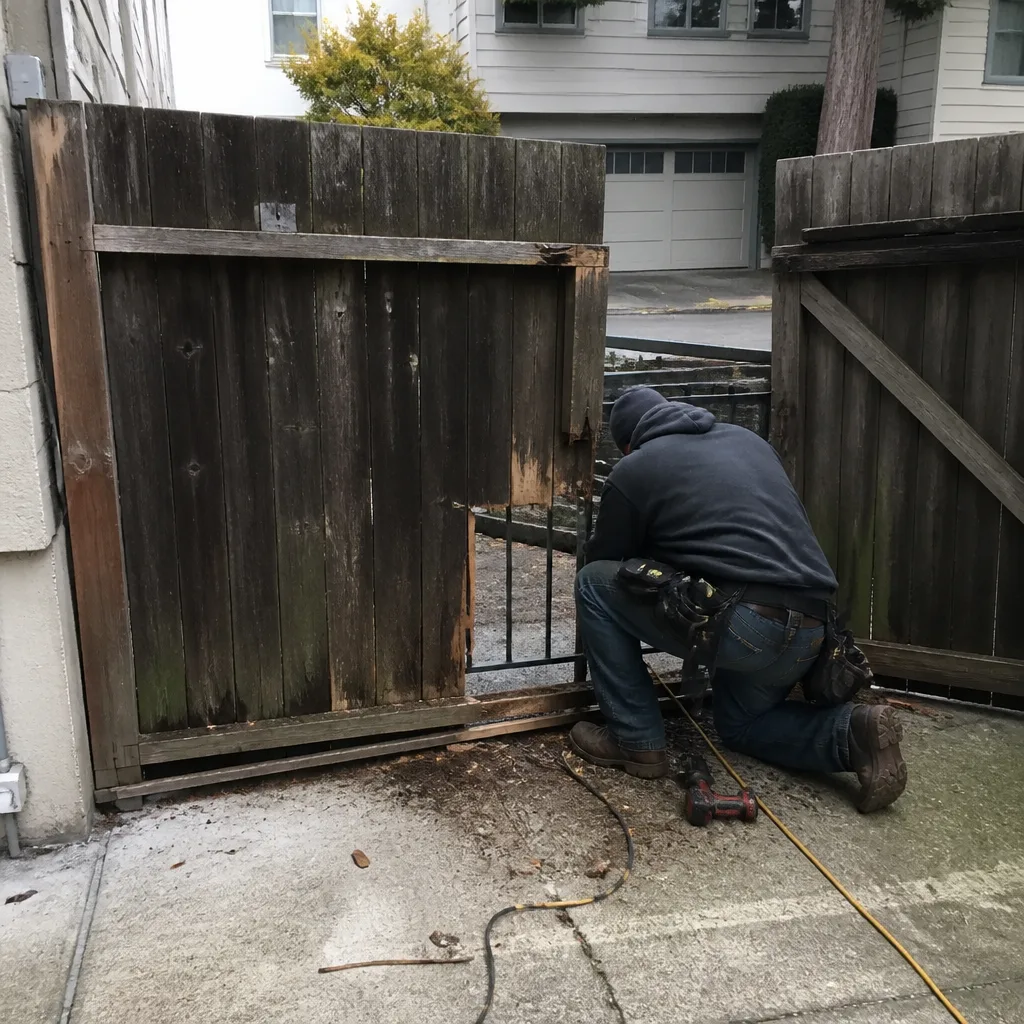 Before
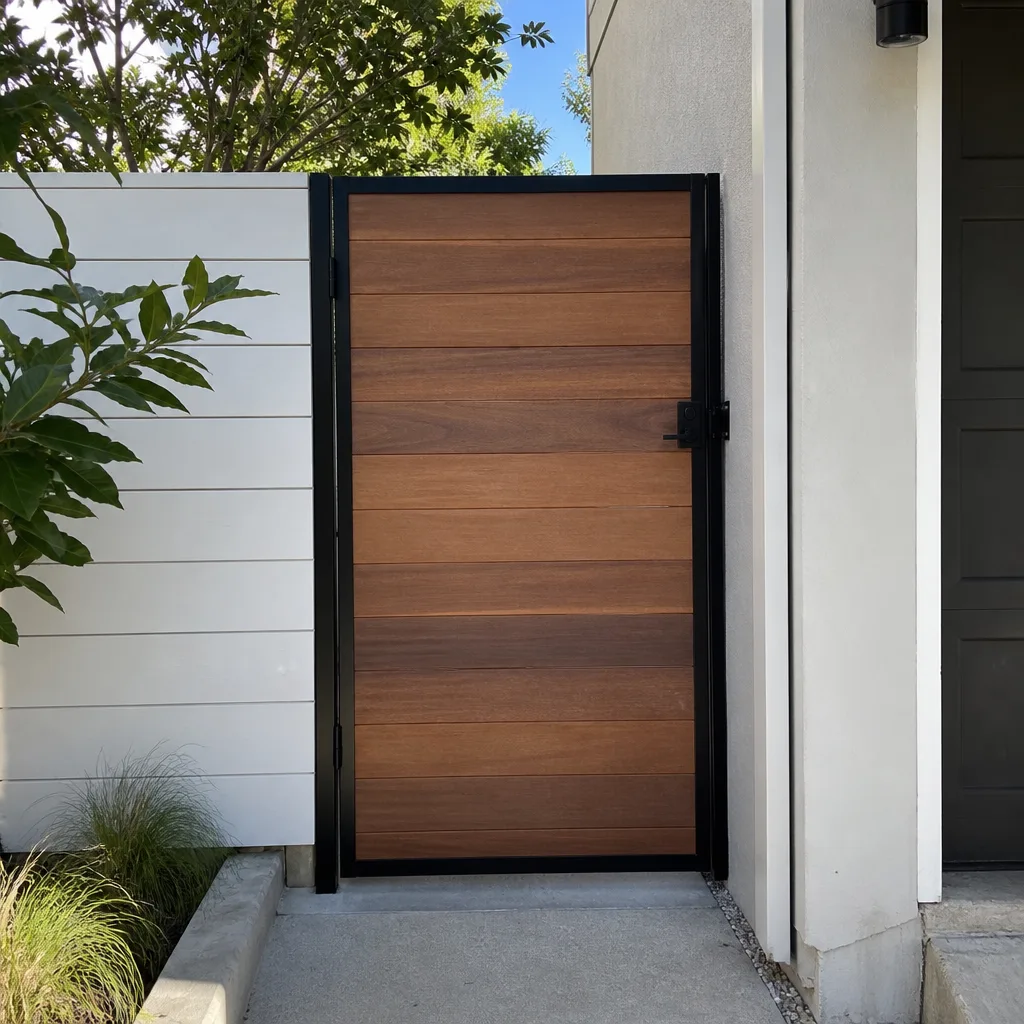 After
After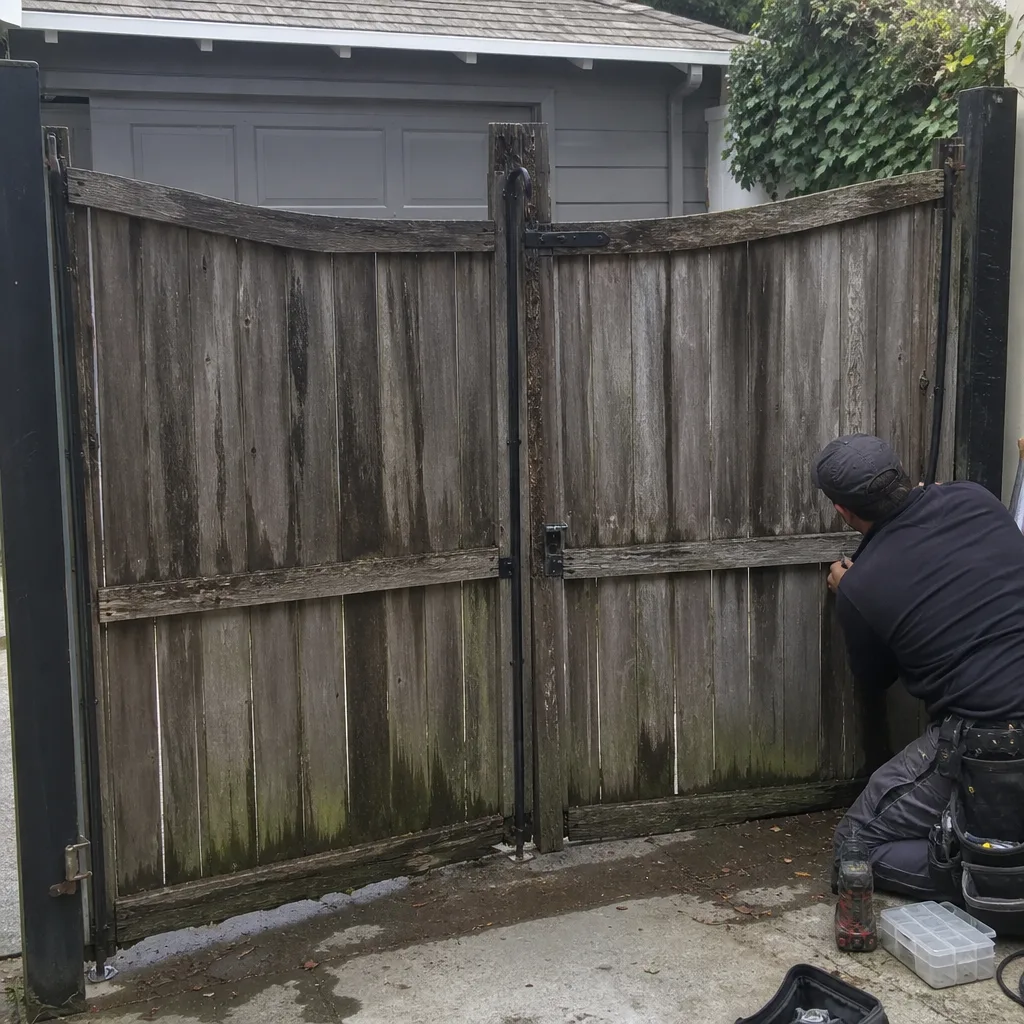 Before
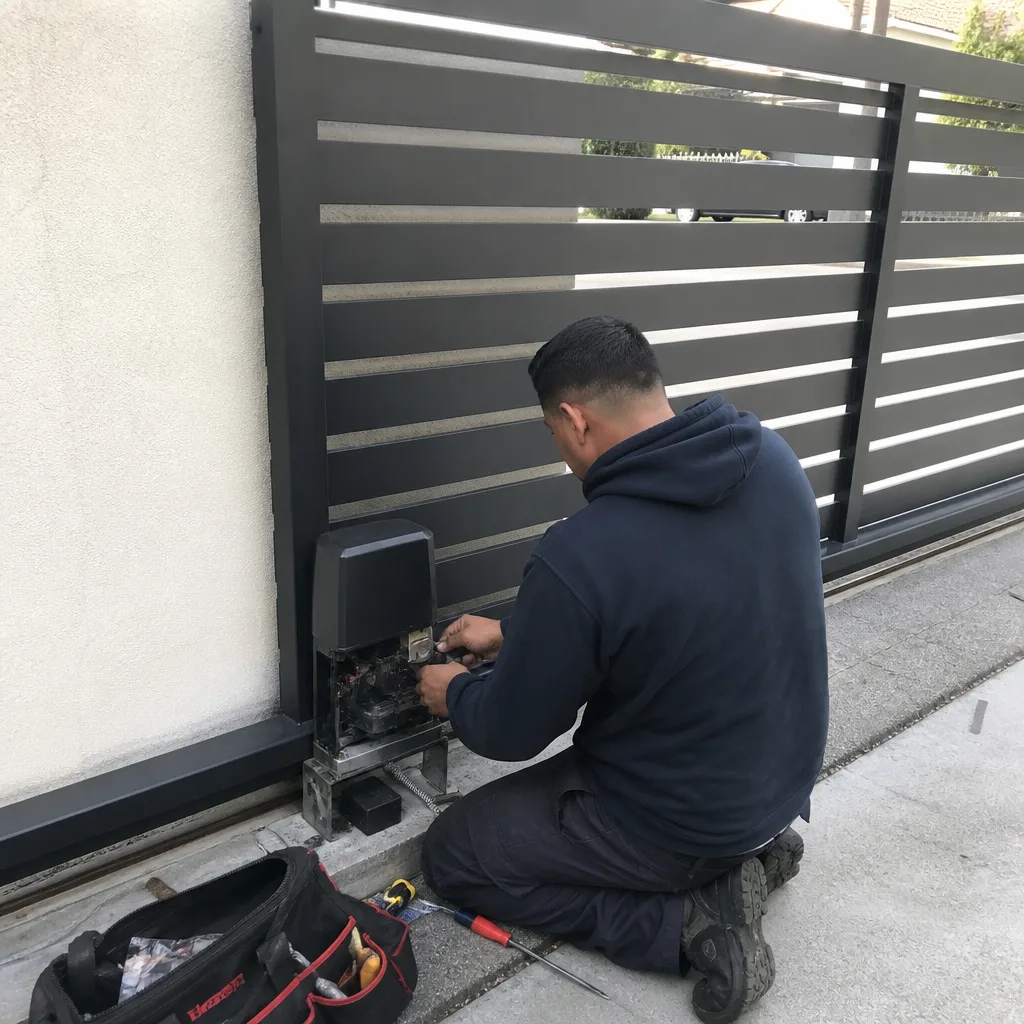 After
After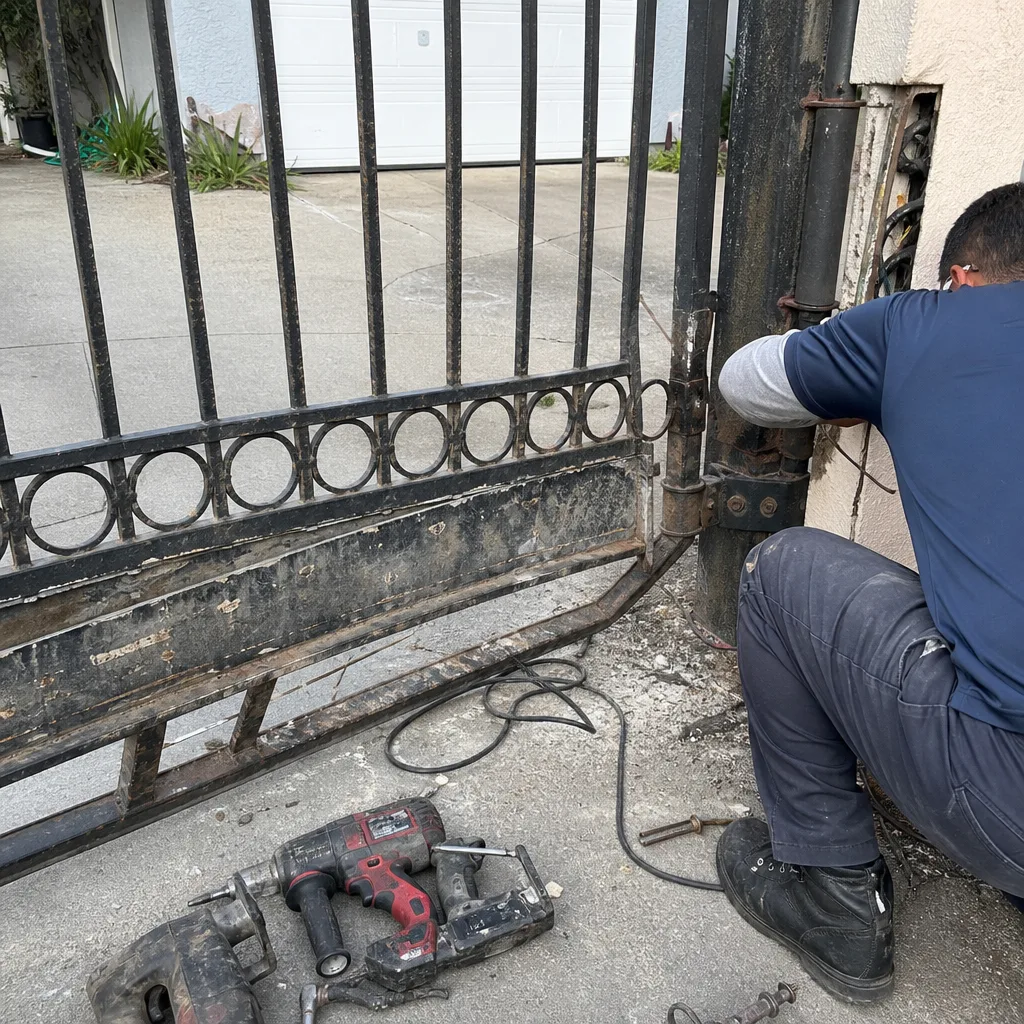 Before
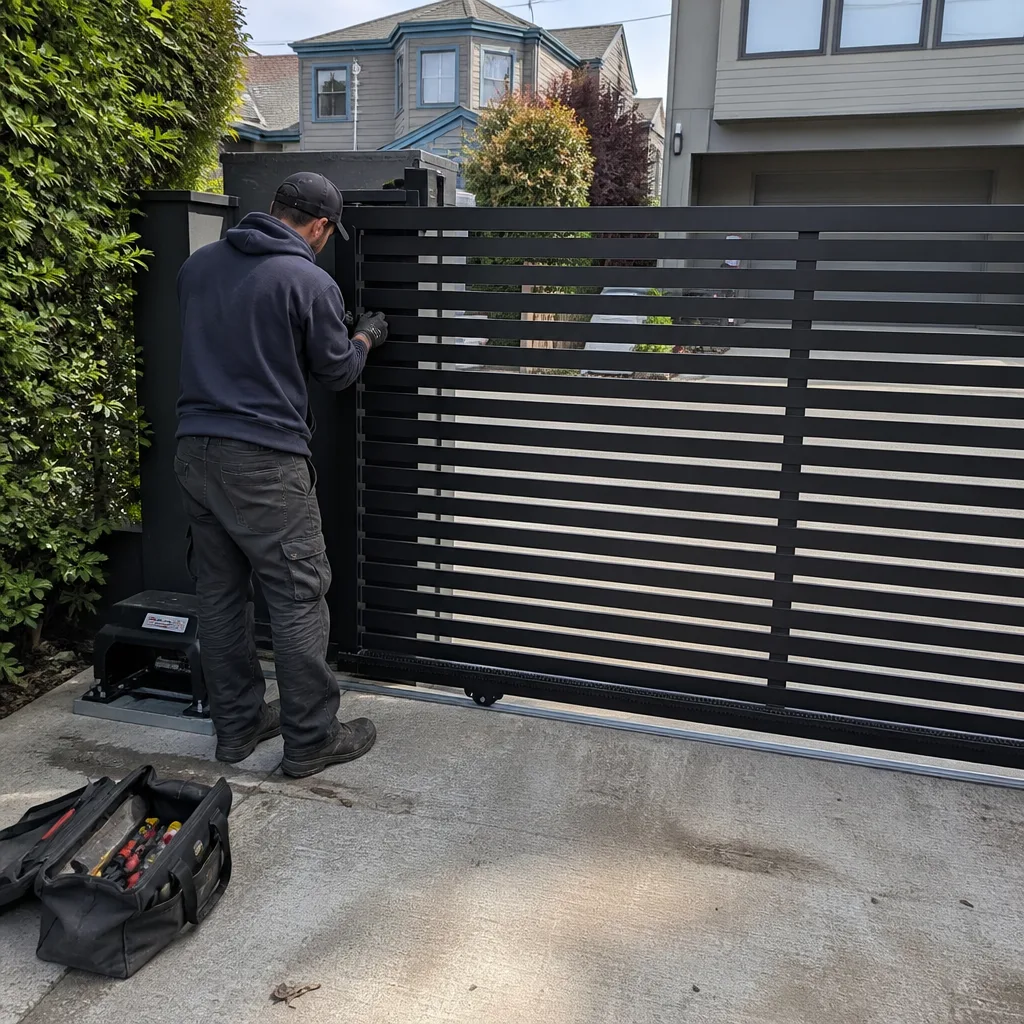 After
After