
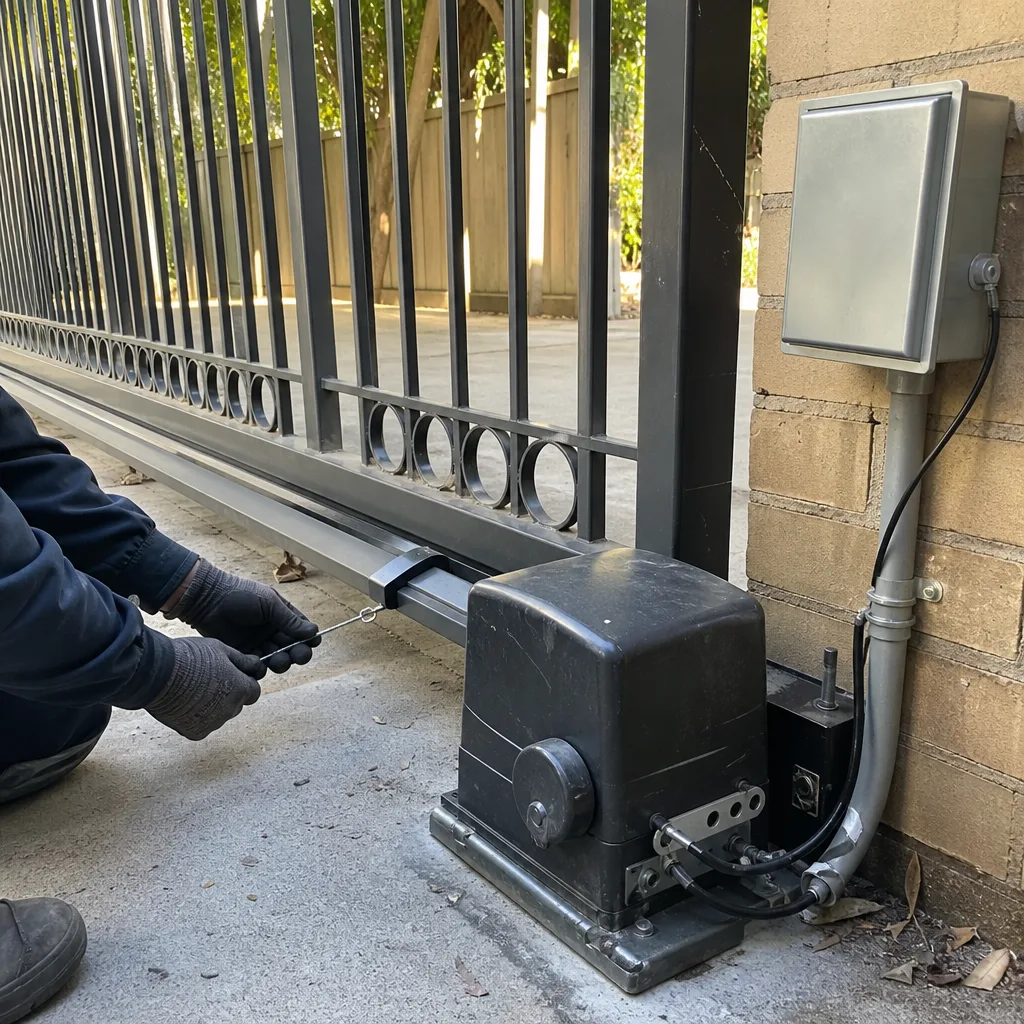
Last updated October 17, 2026
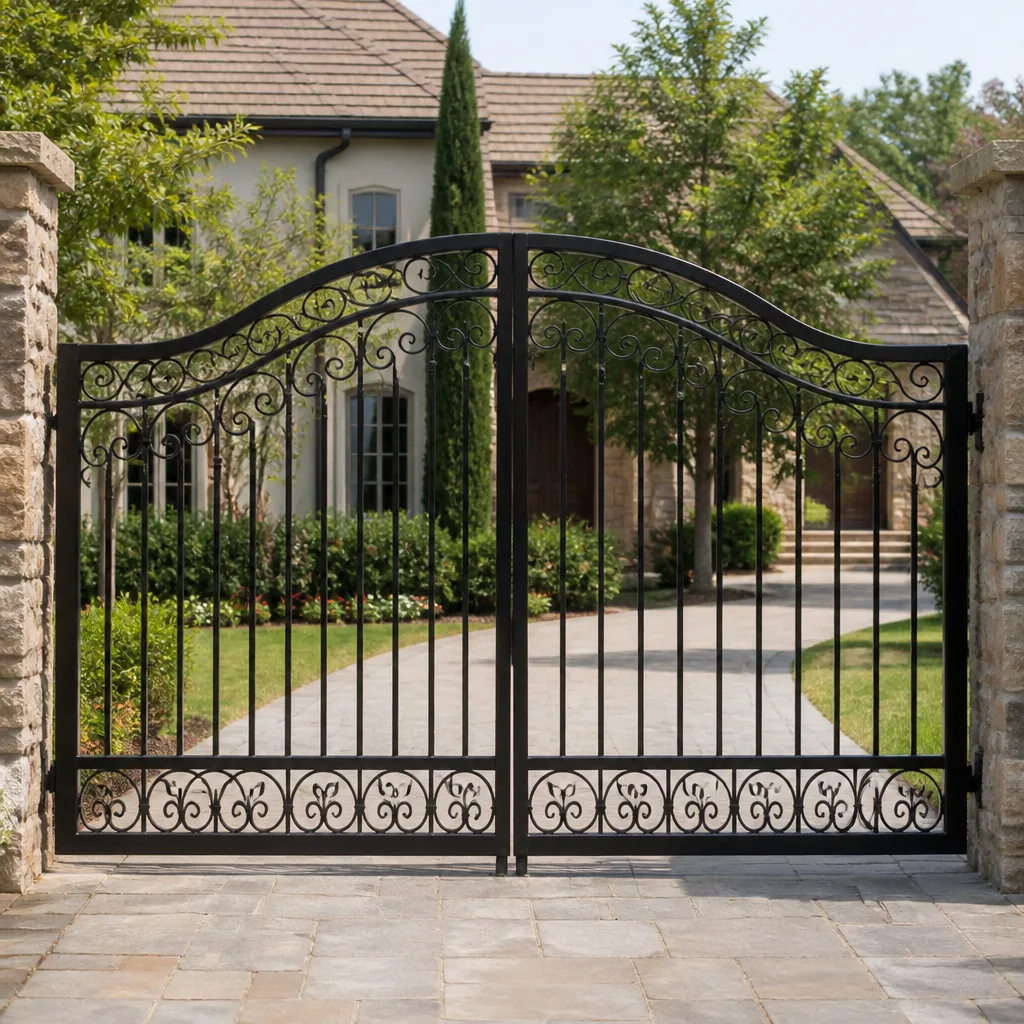 Wrought iron
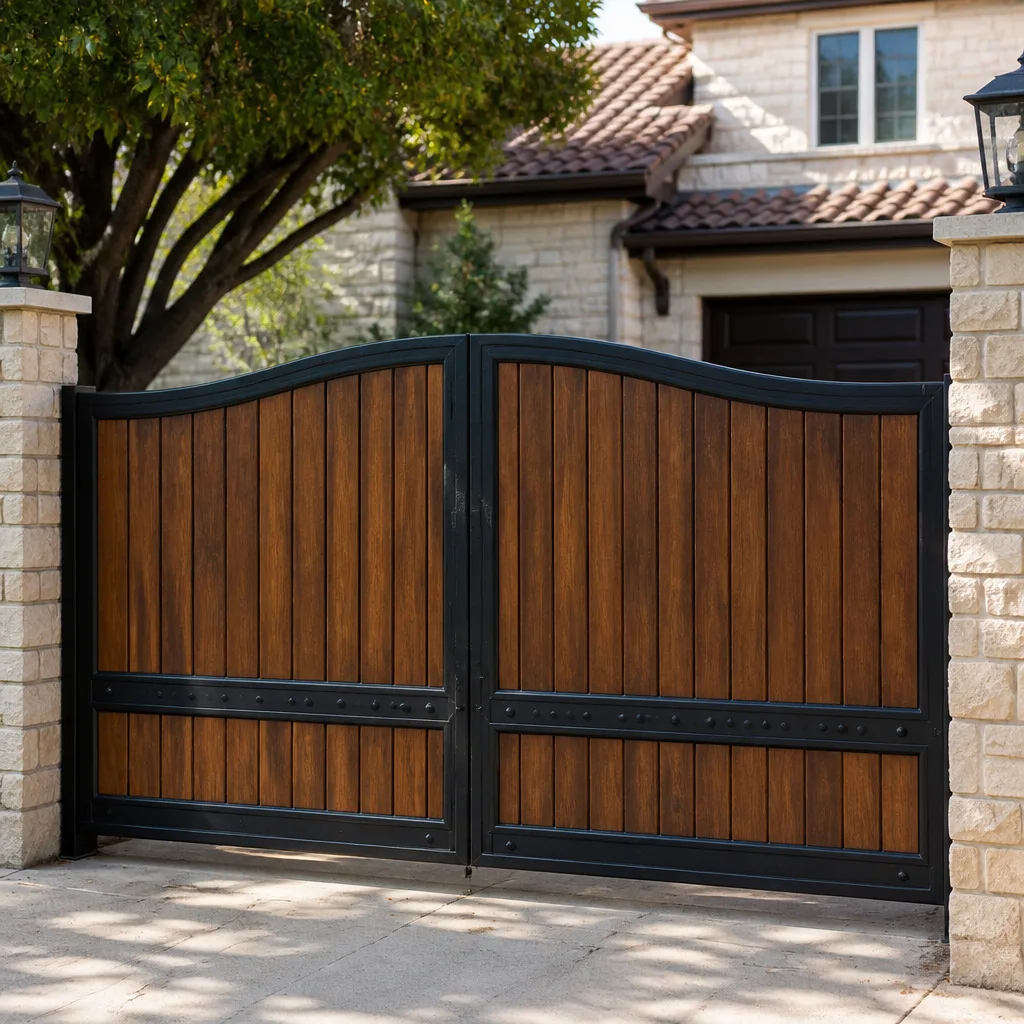 Wood & steel frame
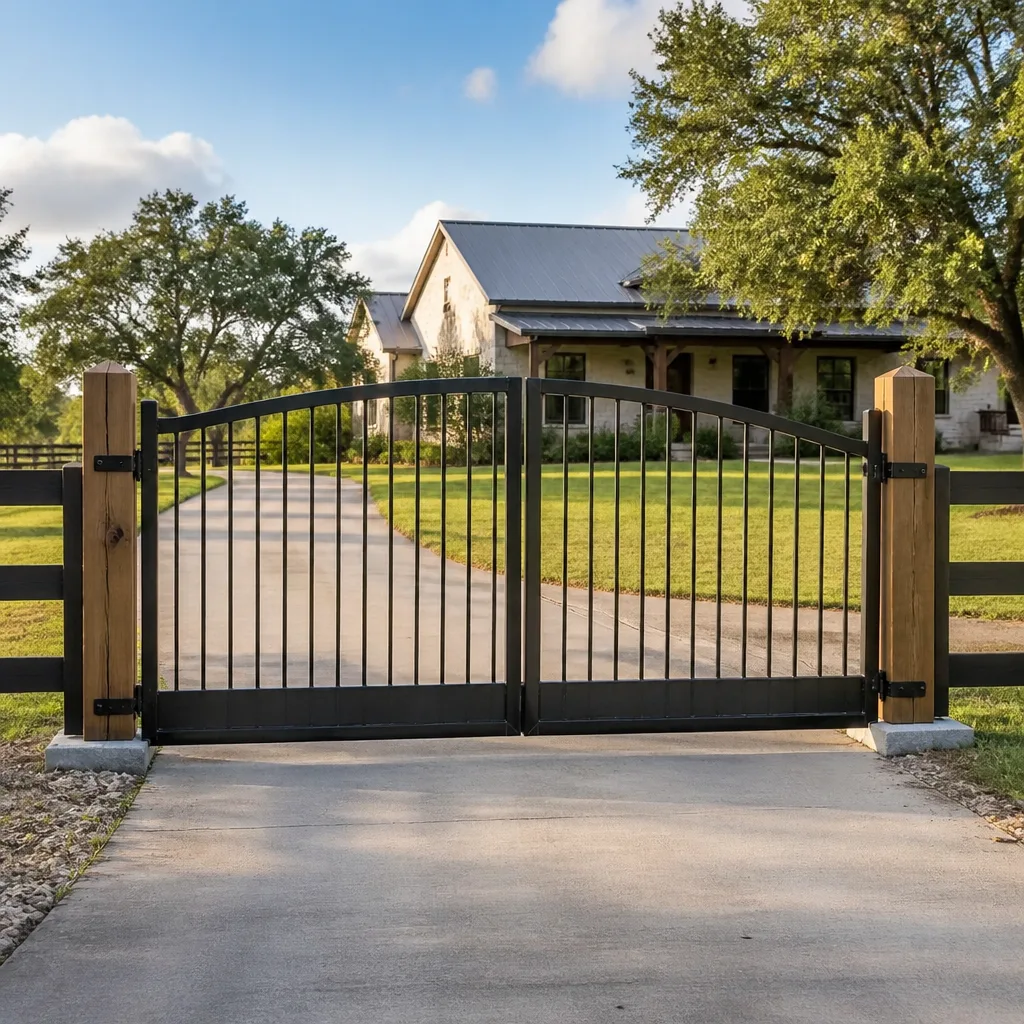 Farm & ranch
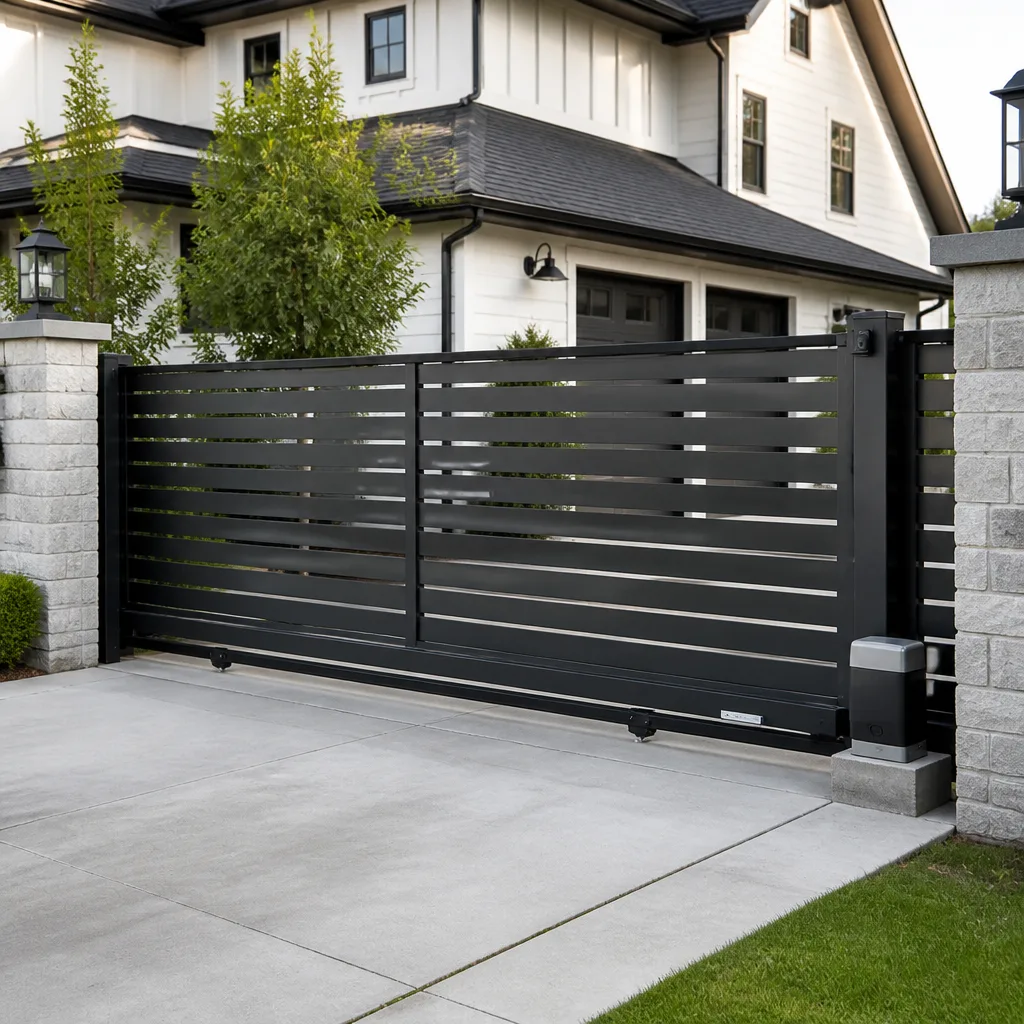 Sliding driveway gates
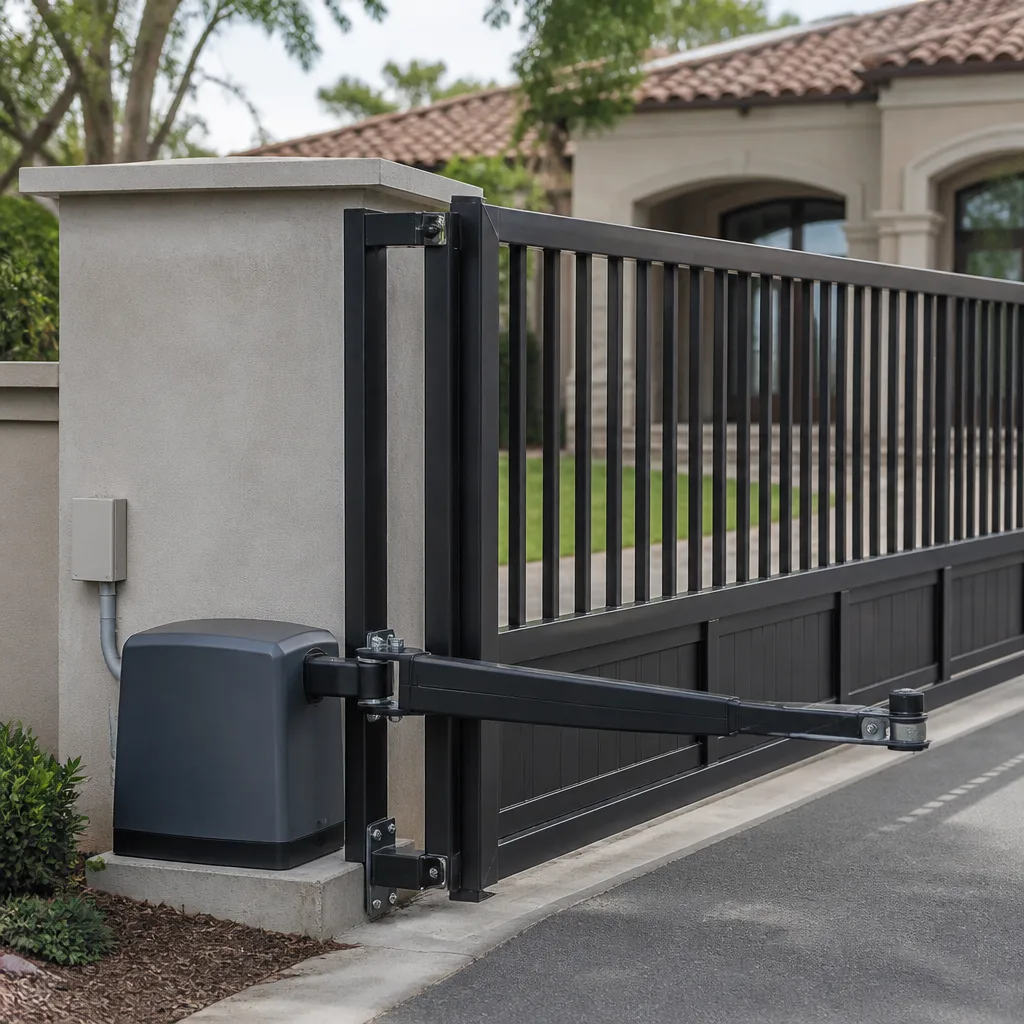 LiftMaster operators
Free on-site gate assessment - hinges, posts, and your LiftMaster or Nice gate operator checked before anything is quoted
The assessment is free and the quote is the invoice.
Get your free estimateThe Complete Guide to Gate Repair in San Francisco
San Francisco averages 260 foggy days a year. That marine layer does more cumulative damage to a cedar gate’s bottom rail than a decade of normal wear in a dry climate, yet most repair guides are written as if the gate sits in Phoenix. This guide maps every Gate Repair category to the specific San Francisco conditions that cause it: fog-driven wood rot, hillside hardware stress, salt-air corrosion, and HOA aesthetic rules. You’ll learn what actually fails, what a fair repair costs in this market, which fixes hold, and which ones will have you calling someone back in 18 months.
Styles & brands we work with
Quick Answer
Gate repair in San Francisco typically costs between $180 and $420 for most latch, hinge, and realignment work, with full electric gate motor replacements running $900 to $2,400 depending on the brand and access conditions. For a detailed breakdown, see our Gate Repair Cost Breakdown: The San Francisco Homeowner’s Reference for 2026. The three most common repair calls in this city are fog-rotted bottom rails, hillside latch misalignment, and salt-air corrosion on electric gate components. Most standard repairs are completed the same visit, and a written price should always be provided before any work begins.
Table of Contents
- Why San Francisco Gates Fail Differently Than Anywhere Else
- Fog, Wood Rot, and the Bottom Rail Problem
- Hillside Gates: Why Slopes Kill Latch Alignment
- Electric Gate Repairs in a Salt-Air City
- HOA and Historic District Rules for Gate Repairs
- What Gate Repairs Actually Cost in San Francisco
- Repair or Replace: How to Decide
- What a Documented Care Routine Looks Like
- Common Mistakes to Avoid
- When to Call a Professional
- Frequently Asked Questions
- The Bottom Line
Why San Francisco Gates Fail Differently Than Anywhere Else
San Francisco sits in a fog belt that creates a micro-climate unlike any other major American city. The marine layer rolls in most mornings and evenings, pushing moisture into wood grain, hinge pins, and operator housings for hours at a time. A gate in Noe Valley deals with one set of stresses. The same gate in the Sunset faces another entirely. We’ve repaired gates within ten blocks of each other where one failed from rot and the other from abrasive wind-driven sand.
Three factors make San Francisco gate repair its own discipline:
- Fog-driven moisture cycles: Wood absorbs moisture overnight and dries by afternoon. This repeating cycle loosens joinery, swells wood around hinge screws, and accelerates rot wherever water pools. Gates painted on one side only, a common shortcut, fail fast here.
- Hillside grade changes: A gate on a slope carries weight differently. The hinge post carries lateral load from the grade, while the latch post drifts as soil settles. This changes the gate’s swing arc, which is why latch alignment drifts on hillside homes in neighborhoods like Glen Park and Bernal Heights.
- Salt-air corrosion: Homes within a mile of the Pacific or the Bay deal with salt spray on metal components. Operators and hinges that would last 15 years inland corrode in 5 to 8 years near Ocean Beach or the Marina. We see FAAC and BFT operators with corroded circuit boards from salt intrusion that inland repair guides never address.
Understanding which condition applies to your gate changes the repair approach completely. A latch repair in the Richmond District needs corrosion-resistant hardware. The same repair in Noe Valley may need nothing more than a realignment and fresh fasteners.
Fog, Wood Rot, and the Bottom Rail Problem
The bottom rail is the horizontal board closest to the ground, and in San Francisco it rots faster than any other part of a wooden gate. Fog wets the rail from above. Ground splash wets it from below. If the gate was built with the rail end-grain sitting directly on concrete or dirt, water wicks into the wood and never fully dries.
Here’s what we actually see on repair calls throughout San Francisco:
- Cedar gates: Cedar resists rot better than fir or pine, but San Francisco fog overwhelms cedar’s natural oils within 3 to 5 years if the rail isn’t sealed on all six faces. Most builders seal the face and edges but miss the end grain. That’s the failure point.
- Redwood gates: Common in older Pacific Heights and Presidio Heights homes, redwood holds up well to moisture but splits around hinge screws as it ages. Repair usually involves epoxy consolidant and longer stainless fasteners rather than full rail replacement.
- Composite gates: Composite boards don’t rot, but the internal wood or metal frame they’re attached to often does. We’ve opened composite gates in the Outer Sunset and found the entire internal frame compromised by trapped fog moisture.
A proper bottom rail repair in San Francisco means more than cutting a new board. The process we follow:
- Remove the rotted rail and inspect the frame behind it for hidden moisture damage.
- Treat remaining sound wood with a borate preservative to stop any active rot.
- Cut the new rail from the same species, with all six faces sealed before installation.
- Set the new rail on stainless standoffs so it never sits directly on ground or concrete.
- Prime and paint or seal to match the existing gate finish.
This costs between $180 and $340 for most standard gates in San Francisco. The cheap alternative, screwing a sister rail alongside the rotted one, costs less upfront but fails within 18 months because the rot continues spreading behind the patch.
Hillside Gates: Why Slopes Kill Latch Alignment
San Francisco’s hills are famous, but they create a gate repair problem that flat-city guides ignore entirely. When a gate sits on a slope, the uphill post and the downhill post are not level with each other. The gate swings with gravity’s help downhill, which means the latch strike plate experiences pressure it was never designed to absorb.
Over time, three things happen:
- The hinge post leans slightly downhill as soil settles, changing the swing arc.
- The latch bolt no longer lines up with the strike plate, and the gate starts popping open or jamming shut.
- The hinge screws elongate their holes, making the gate sag even when the posts look straight.
We see this most often in Glen Park, Bernal Heights, Diamond Heights, and the steep blocks of Noe Valley and Potrero Hill. The fix depends on how far the posts have drifted:
- Minor drift (under half an inch): Realign the gate using adjustable hinges or reposition the strike plate. $180 to $260.
- Moderate drift (half inch to one inch): Re-hang the gate on new hinges with longer stainless lag bolts driven into fresh wood, then adjust the latch. $260 to $340.
- Severe drift (over one inch): The post needs to be reset or replaced. This involves digging, re-pouring the footing, and re-hanging the gate. $340 to $420 for a single post reset.
- Corroded control boards: Brands like FAAC and BFT build boards with protective coatings, but years of salt-infused fog can still bridge circuits. Symptoms include the gate opening but not closing, or the remote working intermittently.
- Seized gearboxes: The grease inside a gate operator’s gearbox breaks down over time. In salt air, the grease can emulsify with moisture and lose its lubricating properties, causing the motor to strain and eventually burn out.
- Photo-eye misalignment: Safety sensors get knocked out of alignment by wind, dogs, kids, or lawn equipment. When the photo-eye can’t see its reflector, the gate refuses to close, which is a safety feature working as designed.
- Battery backup failure: Power outages in San Francisco are rare but do happen, and many operators have backup batteries that need replacement every 3 to 5 years. A gate that only works when the power is on has a dead backup battery.
- Pacific Heights and Presidio Heights: Many homes fall under historic resource surveys. Replacing a wooden gate with a metal one, or changing the gate’s profile, can require planning department review. Repairs that match the existing material and design in-kind generally do not.
- Noe Valley and the Castro: These neighborhoods have strong neighborhood association guidelines even where no formal HOA exists. Visible gate changes often require neighbor notification or design review.
- Mission Bay and newer developments: These HOAs typically have explicit gate specifications. We’ve seen HOAs require specific paint colors, hardware finishes, and even operator brands. Check your CC&Rs before choosing a replacement gate.
- St. Francis Wood and Forest Hill: Gate designs here trend traditional, and associations expect replacements to match the neighborhood’s original architectural language.
- The gate frame is structurally sound and only one component has failed (one hinge, one latch, one rail).
- The gate itself is less than 15 years old and made of a quality material.
- The repair cost is under half the cost of a comparable replacement.
- The gate has sentimental or architectural value, which is common in San Francisco’s older neighborhoods.
- Rotted wood affects more than 30% of the total gate surface.
- The post footings are cracked, frost-heaved, or sinking.
- The gate has been repaired multiple times and each repair lasts less than a year.
- You want to switch materials (wood to metal, manual to electric), which is a different project than repair.
- Written price before any work starts: You see the exact number on paper before we touch a single screw. No surprise charges, no “while we’re here” upselling.
- Shoe covers and drop cloths: We lay protection on the floor and wear shoe covers before stepping inside. Your floors stay clean, even on a rainy Outer Sunset afternoon.
- Cleanup photo before we leave: We document the clean-up and show you the photo. If the gate was grinding metal or sawing wood, the mess is gone before we are.
- A technician who asks first: Before we move a planter, reposition a sensor, or touch anything that isn’t the gate, we ask. The C.A.R.E. values we operate under are simple: Clean up like it’s our own home, Ask before we move or touch anything, Respect the family’s time and quiet hours, Explain the price before the work.
- Reusing original screws after realigning the gate. The old screw holes are already wallowed out from the gate’s weight. New stainless fasteners in fresh wood are the fix, not tightening the old ones harder.
- Painting over rot. Paint seals moisture in, which accelerates decay. The rotted section needs to come out before any finish goes on, especially in San Francisco’s fog belt.
- Ignoring a slow drift in latch alignment. A gate that’s starting to pop open on its own is telling you the hillside is shifting. Each month you ignore it, the post drifts further and the repair gets more expensive.
- Choosing hardware that can’t handle salt air. Galvanized hardware from a big-box store will start rusting within a year near the coast. Stainless steel costs more upfront but is the only choice that holds on the west side of San Francisco.
- Over-tightening hinge screws. Torquing a lag bolt too hard strips the wood fibers and weakens the connection. There’s a sweet spot, and a technician who knows gates can feel it.
- Skipping the safety sensor check on electric gates. Photo-eyes and pressure sensors are what keep a closing gate from hurting a child or a pet. If your gate is closing too hard or too fast, that’s a safety problem, not a convenience problem.
Shimming the latch plate or filing the strike opening never fixes the root cause. The gate works for a few weeks, then the hill wins again. If you’d like a more detailed breakdown of the options, see our Gate Repair in San Francisco page for what’s included at each tier.
Electric Gate Repairs in a Salt-Air City
Electric gates add motors, control boards, keypads, and safety sensors to the repair equation, and San Francisco’s salt air changes how each component fails. A gate operator in the Sunset or the Marina lives in a corrosive environment that inland neighborhoods like the Mission or Noe Valley don’t experience.
The most common electric gate failures we see in San Francisco:
If your electric gate sits within a mile of the coast, we recommend an annual inspection of the operator housing, board connections, and safety sensor alignment. It’s far cheaper to clean and re-seal a housing than to replace a $400 control board after salt intrusion kills it. For a complete look at how we handle these systems, see Electric Gate Repair in San Francisco.
HOA and Historic District Rules for Gate Repairs
San Francisco has some of the strictest aesthetic oversight in the country, and gates are not exempt. If you live in a neighborhood with historic designation or an active HOA, your repair options may be narrower than you’d expect.
Here’s what we’ve learned from years of working in these neighborhoods:
If you’re unsure whether your repair needs approval, start by checking your HOA documents or contacting the planning department’s historic preservation office. A gate repair that matches the existing design and materials is almost always classified as routine maintenance. A full replacement is where oversight kicks in.
What Gate Repairs Actually Cost in San Francisco
San Francisco labor rates run higher than the national average, and gate repair is no exception. Here’s what we see across the city in 2025:
| Repair Type | Typical San Francisco Range | What’s Included |
|---|---|---|
| Latch replacement | $180 – $260 | New latch hardware, alignment, adjustment |
| Hinge replacement | $160 – $280 | New hinges, stainless fasteners, gate re-hang |
| Bottom rail repair | $180 – $340 | Rotted wood removal, new sealed rail, finish match |
| Gate realignment | $180 – $260 | Hinge adjustment, strike plate repositioning |
| Post reset (single) | $340 – $420 | Dig out old footing, re-pour, re-hang gate |
| Electric operator replacement | $900 – $2,400 | New operator, wiring check, safety sensor calibration |
| Control board replacement | $280 – $520 | New board, programming, remote re-sync |
These are real market numbers, not national averages. San Francisco’s permitting requirements, parking constraints, and hillside access all push labor rates higher than the suburbs. The good news is that most repairs fall between $180 and $420, which is usually far cheaper than replacement. And a written price should always be in your hand before any work starts.
Repair or Replace: How to Decide
Sometimes repair is the right call. Sometimes you’re throwing money at a gate that’s already done. Here’s the decision framework we walk through with San Francisco homeowners:
Repair makes sense when:
Replacement makes sense when:
If replacement is the decision, it’s a bigger project. See Gate Installation in San Francisco for what the process looks like from measure to cleanup.
What a Documented Care Routine Looks Like
Most gate repair guides tell you what a technician should fix. Almost none tell you what the visit should look like. But in San Francisco, where many homes have gates that open directly into living spaces or tight garden entries, the care routine matters as much as the repair itself.
Here’s what we’ve built into every visit at Latch and Post Gate Repair San Francisco home:
This is the difference between a gate specialist and a general handyman dispatch. We focus on gates, and we treat each visit as if we’ll be back, because in San Francisco, with fog and hills and salt air, we often are.
Common Mistakes to Avoid
When to Call a Professional
Gate repair involves heavy panels, loaded springs on some operators, and electrical wiring on powered gates. A gate that falls because a hinge failed can hurt someone seriously. If your gate is sagging, slamming, sparking, or refusing to close, call someone who works on gates every day. Latch and Post Gate Repair San Francisco offers free estimates in San Francisco. Call (628) 227-2771 and a live person answers, day or night.
Frequently Asked Questions
Most gate repairs in San Francisco cost between $180 and $420, depending on whether you need a simple latch replacement, a hinge re-hang, or a post reset. Electric gate operator replacements run $900 to $2,400. Every job includes a written price before work starts. Call (628) 227-2771 for an exact quote, estimates are free.
For most non-electric repairs like latches, hinges, and rail rot, we can often accommodate same-day or next-day appointments in San Francisco. Electric gate diagnosis may require a follow-up visit if parts need to be ordered. Call (628) 227-2771 and we’ll tell you honestly what’s possible today.
A standard latch replacement takes 45 to 90 minutes. A bottom rail replacement takes 2 to 3 hours including finish work. A full post reset can take 4 to 6 hours because the footing needs time to cure before the gate is re-hung.
Yes. Our technicians are trained on LiftMaster, FAAC, BFT, Linear, Viking, Ghost Controls, DoorKing, Elite, and Mighty Mule operators. Salt-air corrosion near the coast affects brands differently, and matching the repair approach to the brand and location is part of getting it right the first time.
Generally no, not for in-kind repairs. Replacing a rotted rail with the same wood species, or swapping a worn latch for a matching one, is routine maintenance. Full replacements, material changes, or color changes may require HOA or historic district review depending on your neighborhood.
Because the problem isn’t the screws, it’s the hole the screws are in. Once wood fibers around a hinge screw compress, no amount of tightening restores them. The fix is drilling out the damaged wood, filling with epoxy consolidant, and setting new stainless fasteners, which holds even on San Francisco’s hillside properties. Call (628) 227-2771 for a free estimate.
The Bottom Line
San Francisco gates fail from fog, hills, and salt air, and the right repair addresses the cause, not just the symptom. Most repairs cost between $180 and $420 and can be done in a single visit when the diagnosis is accurate. Whether your gate is sagging on a Bernal Heights slope or the operator is corroding in the Outer Sunset, the repair approach should be specific to this city, not copied from a generic guide. A written price, a care routine that protects your home, and a repair that holds through 260 foggy days a year, that’s the standard we’ve built Latch and Post around since 2009. For more guides & resources, visit our blog.
Written by Cody Beckman, Owner at Latch and Post Gate Repair San Francisco, serving San Francisco since 2009.
See the difference
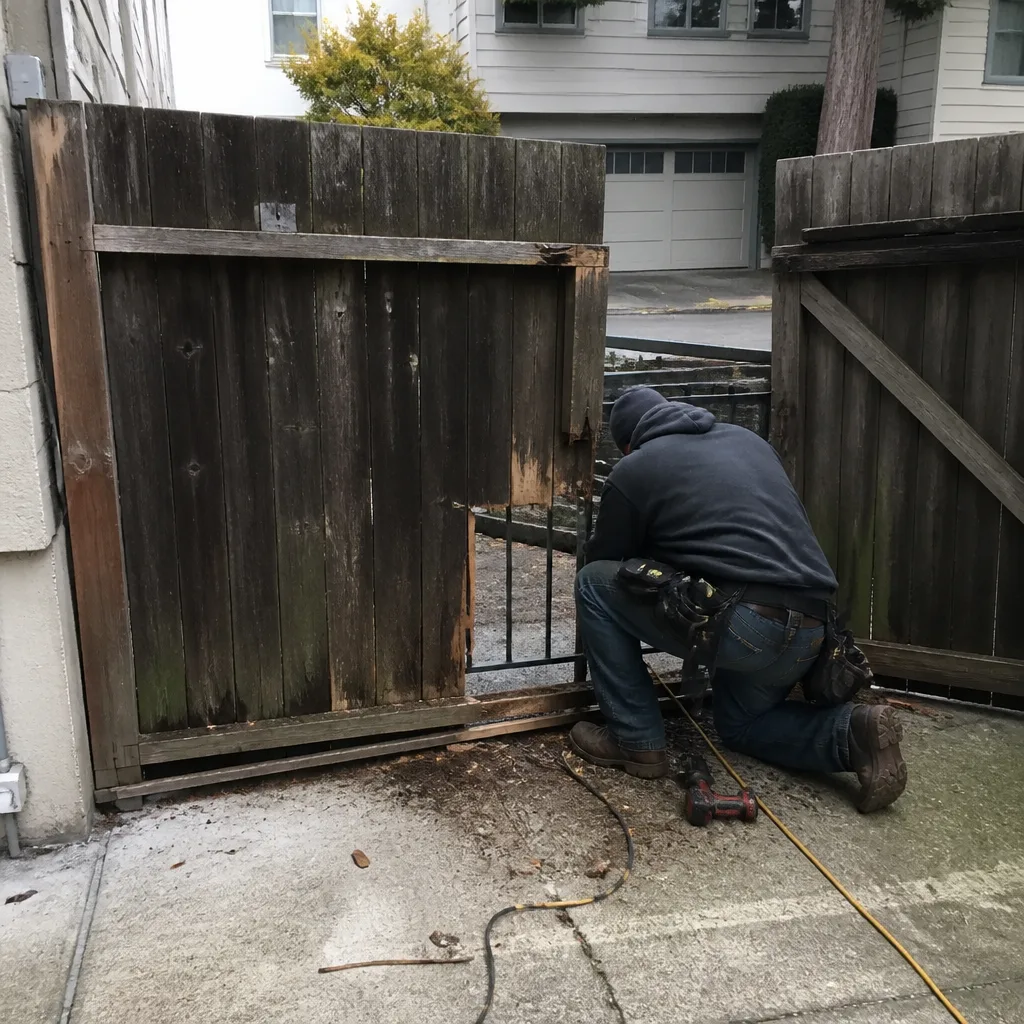 Before
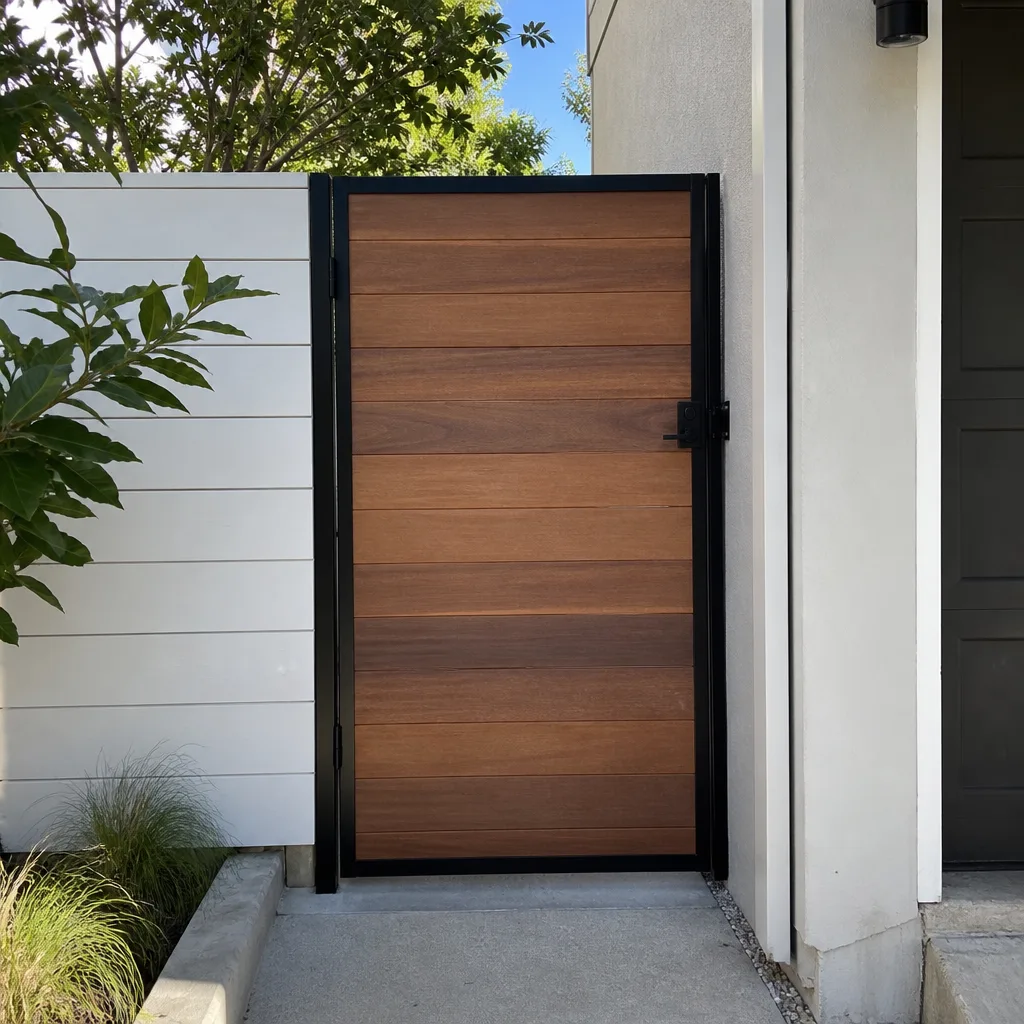 After
After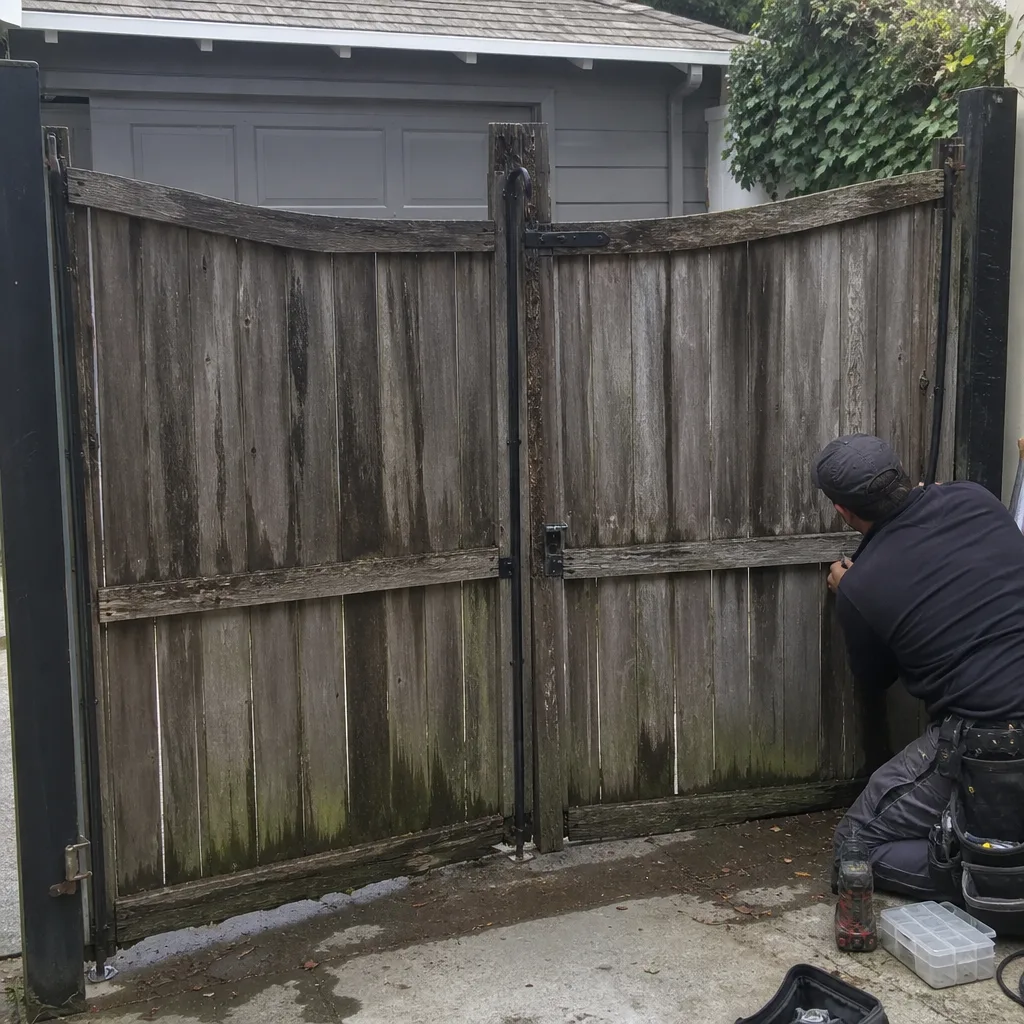 Before
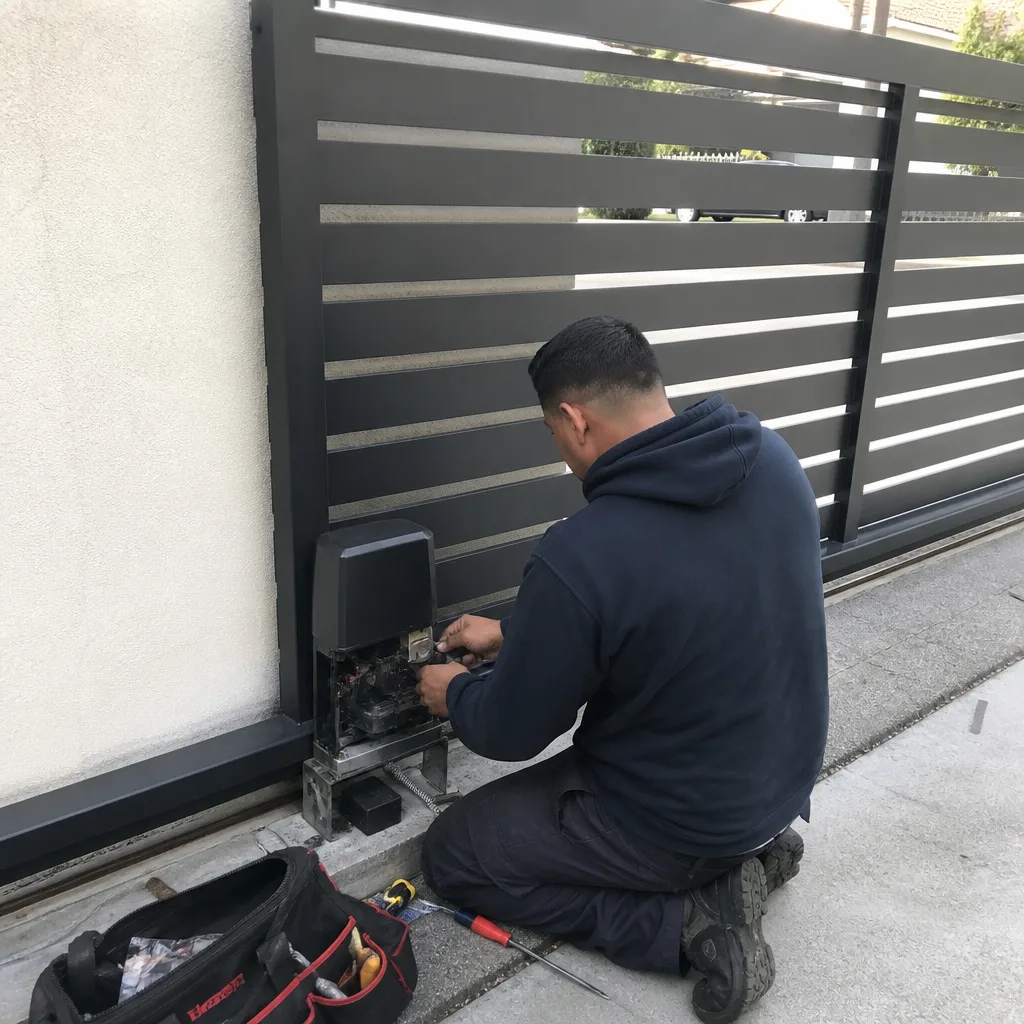 After
After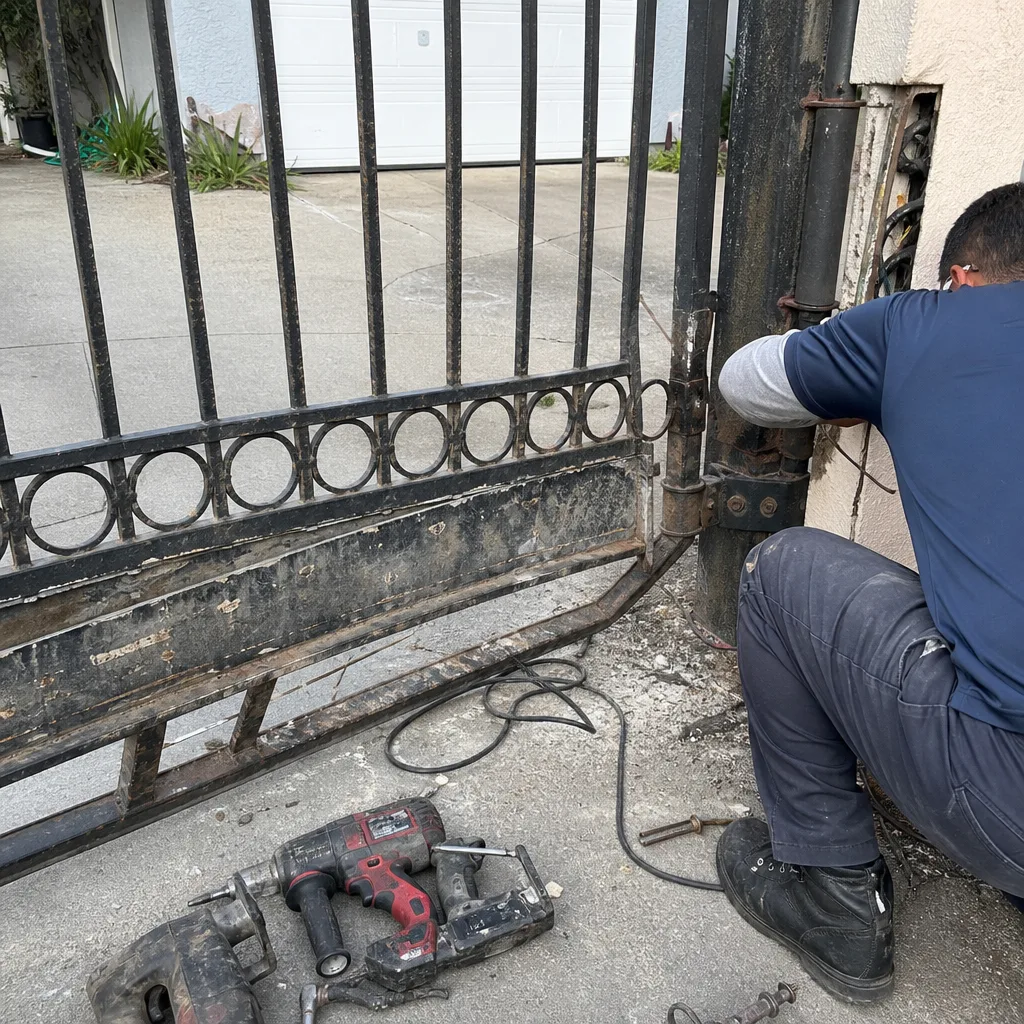 Before
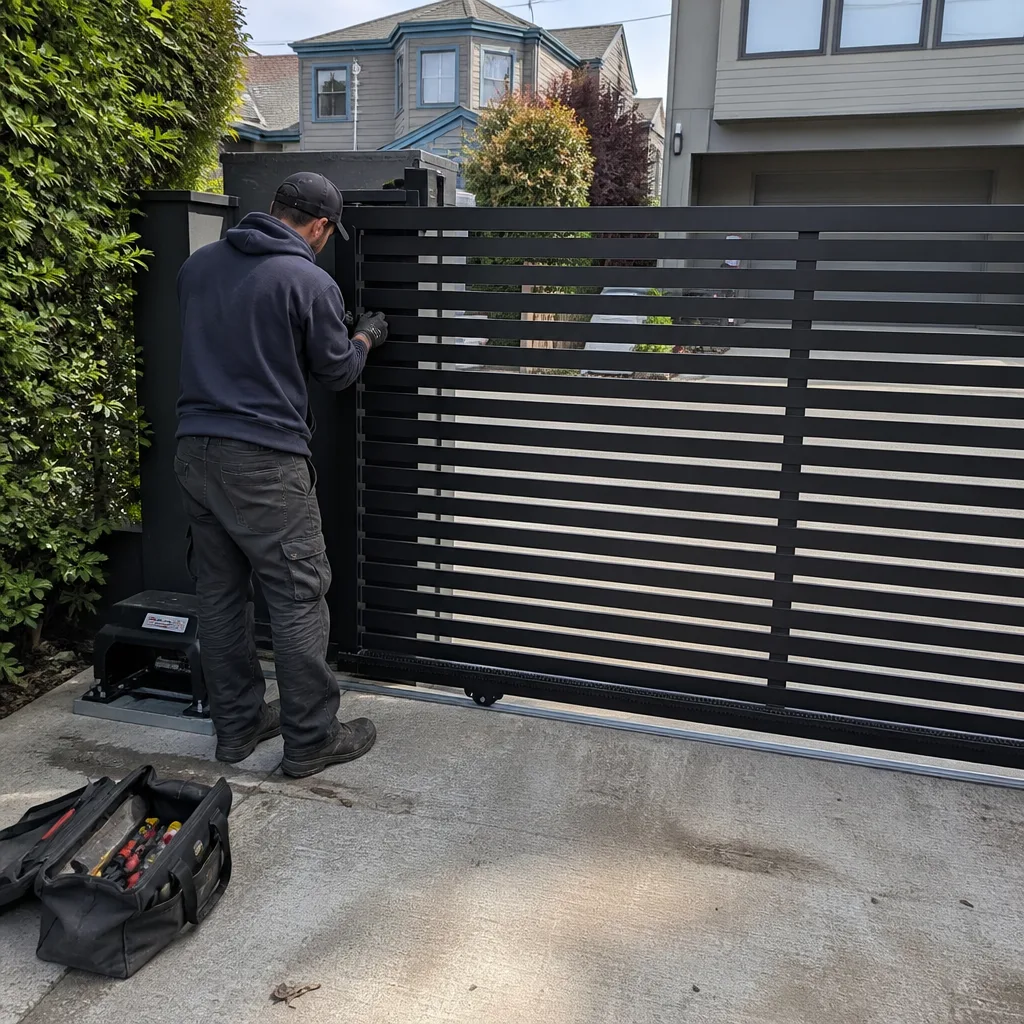 After
After