
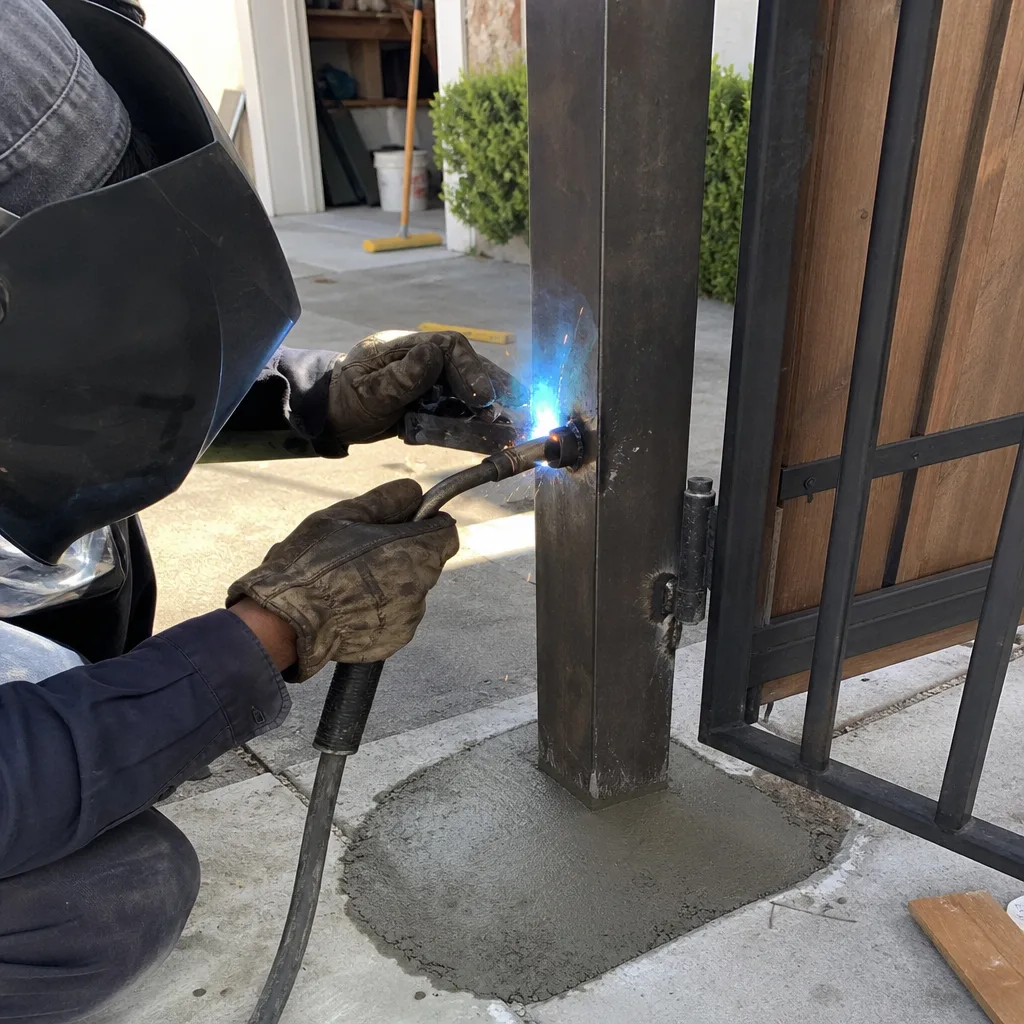
Last updated October 17, 2026
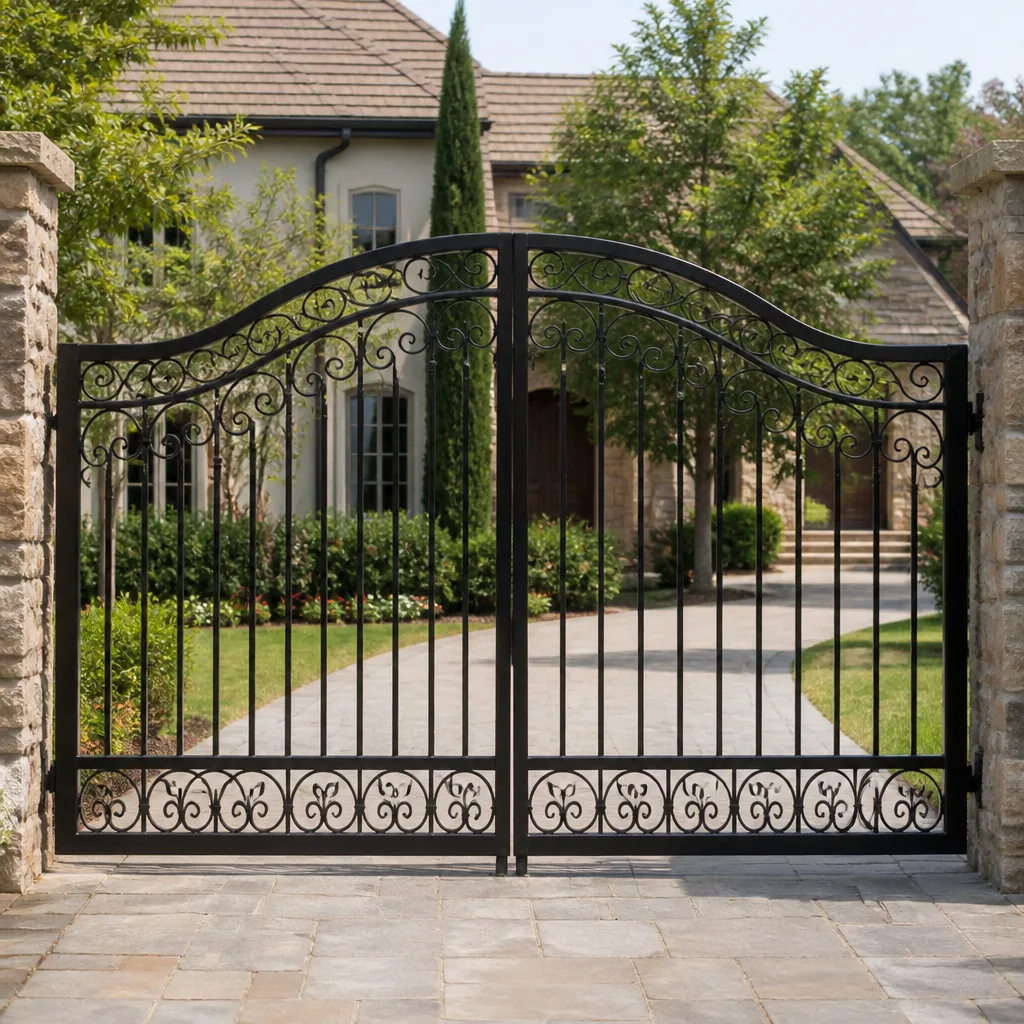 Wrought iron
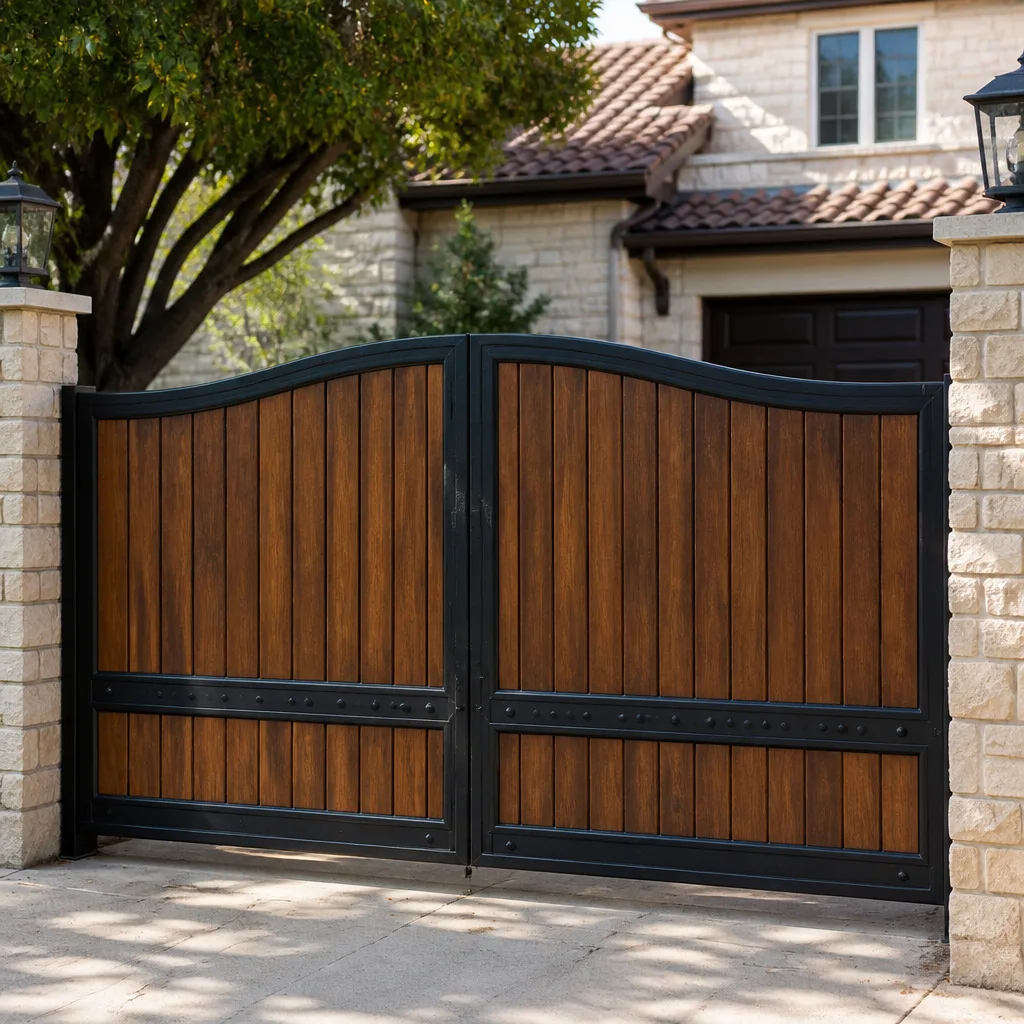 Wood & steel frame
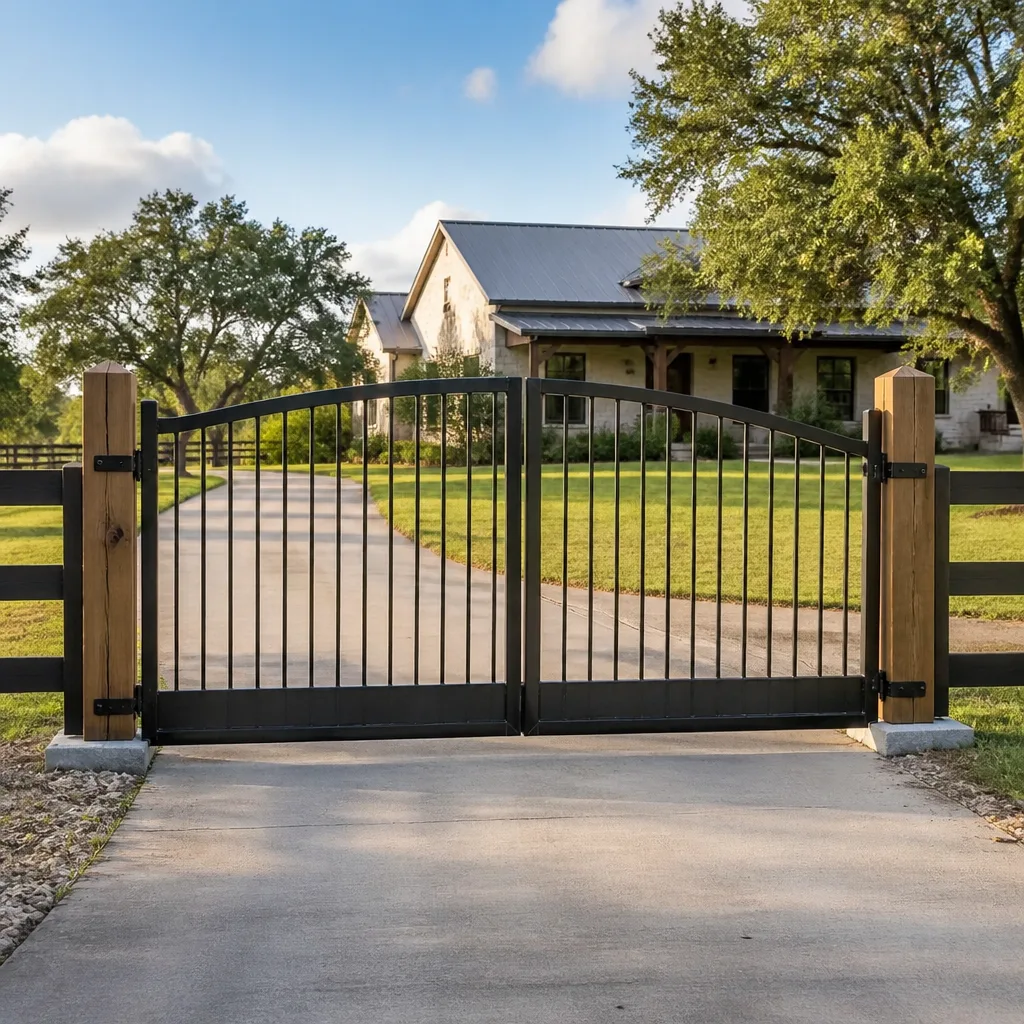 Farm & ranch
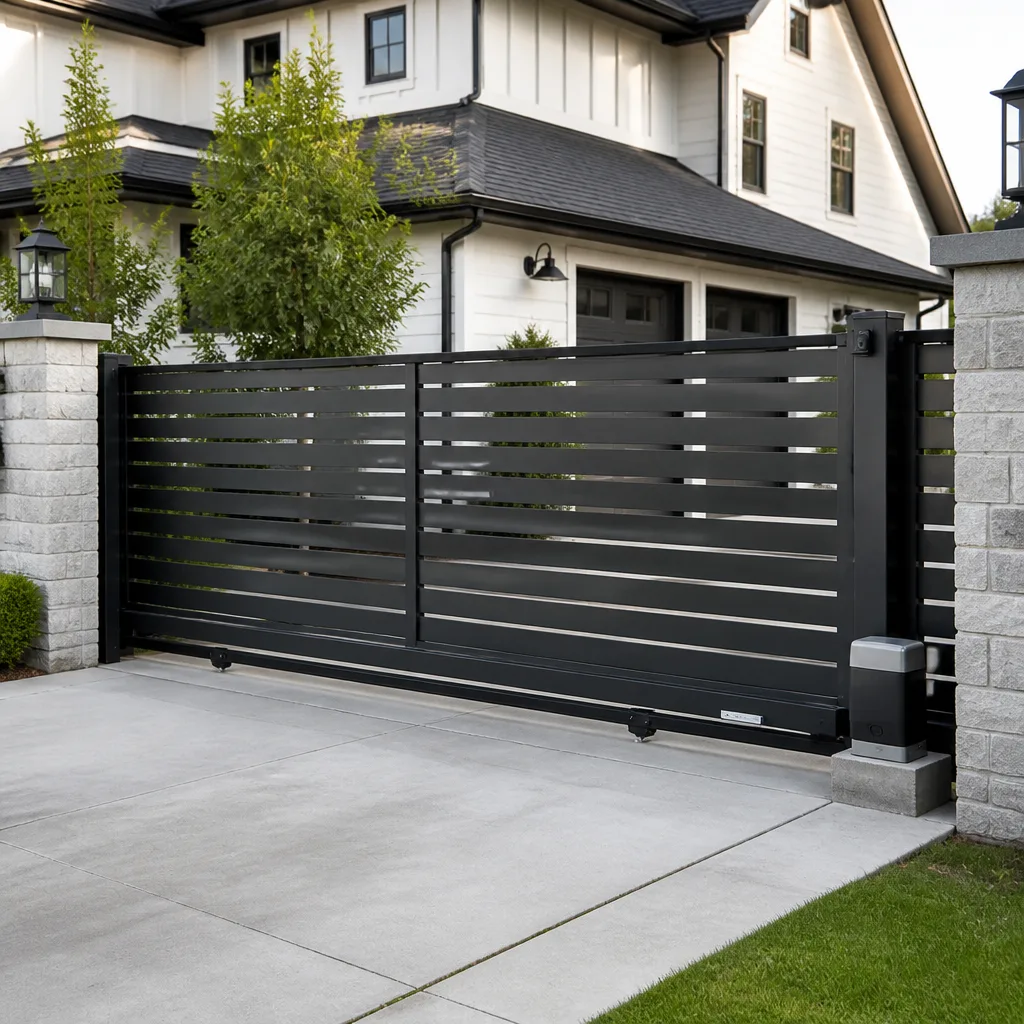 Sliding driveway gates
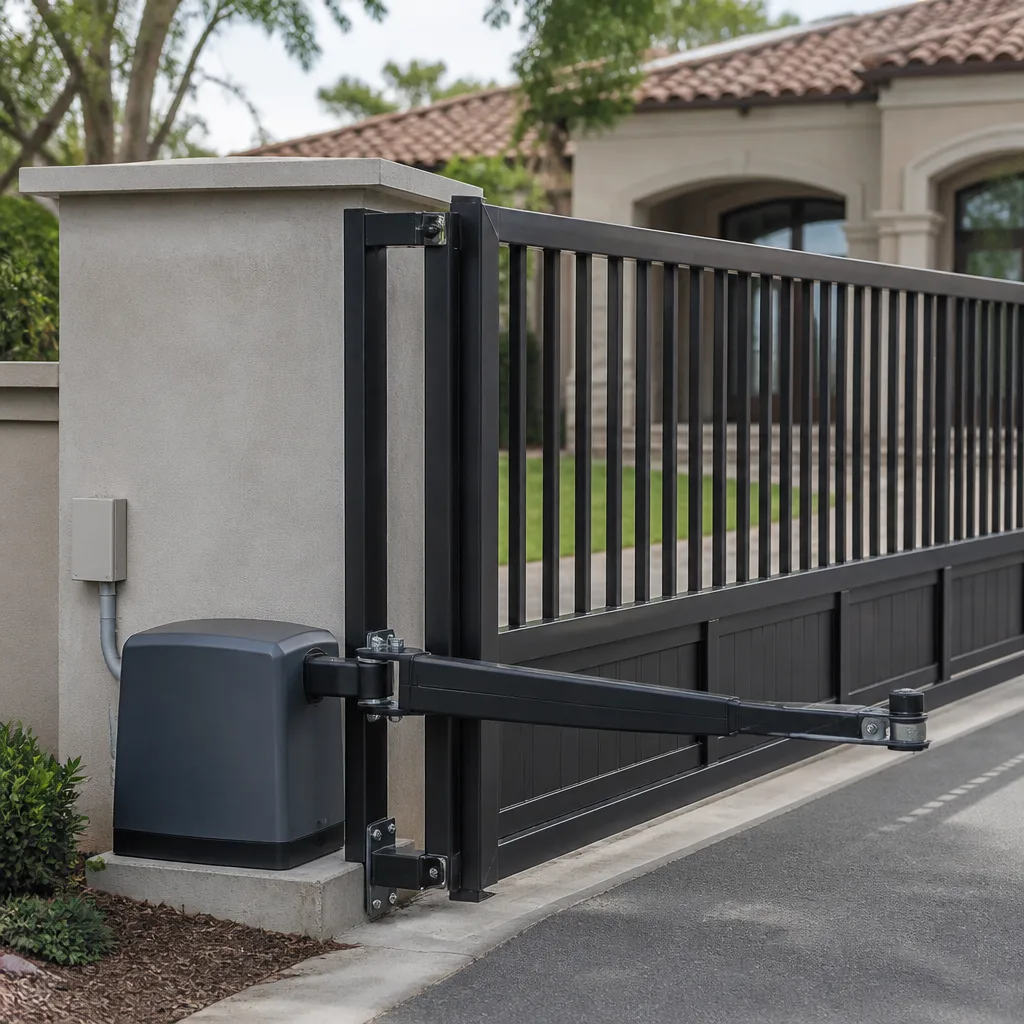 LiftMaster operators
Free on-site gate assessment - hinges, posts, and your LiftMaster or Nice gate operator checked before anything is quoted
The assessment is free and the quote is the invoice.
Get your free estimateGate Repair Permits, Codes & Inspections in CA: What You Need to Know
Replacing a rotted gate post sounds like a simple repair, but in San Francisco, if that post is structural and set in concrete within three feet of the property line, the Department of Building Inspection may classify it as new construction. That distinction surprised more than a few homeowners during 2023 permit audits, and it’s exactly the kind of line that separates a straightforward Saturday project from a four-week plan-check review. This guide draws that line clearly. You’ll learn which gate repairs in San Francisco and across California trigger permit requirements, which ones don’t, what the California Building Code actually says about gate hardware, and how to avoid the most expensive mistakes homeowners make when they skip the paperwork. For related reading, see our Gate Repair Warning Signs: A San Francisco Homeowner’s Reference Guide.
Styles & brands we work with
Quick Answer
Most like-for-like gate repairs in California do not require a permit – replacing a hinge, latch, or gate opener motor on an existing gate is generally exempt. But any work that changes the gate’s structure, footprint, height, or electrical wiring can trigger a permit, and San Francisco’s Department of Building Inspection (DBI) interprets those thresholds more strictly than most counties. If the post is replaced, the gate is widened, or new conduit is run for an opener, expect to file. When in doubt, call DBI at (628) 227-2771 before you dig.
Table of Contents
- The Permit Threshold: Repair vs. Alteration in California
- How San Francisco’s DBI Interprets the Rules Differently
- The Plain-Language Decision Tree: Does My Repair Require a Permit?
- California Building Code Sections That Govern Residential Gates
- Historic Preservation Overlays: The Second Approval Layer
- What ‘Like-for-Like’ Actually Means Under DBI Interpretation
- Permit Timelines in San Francisco: Over-the-Counter vs. Plan Check
- Common Mistakes to Avoid
- When to Call a Professional
- Frequently Asked Questions
- The Bottom Line
The Permit Threshold: Repair vs. Alteration in California
California’s building code draws a line between repair and alteration, and that line determines whether you need a permit. A repair restores something to its original condition without changing its size, location, or function. An alteration changes any of those three things. The distinction sounds clean on paper. In practice, it’s where most gate permit confusion begins.
Under the California Residential Code (CRC) Section R105.2, the following gate-related work is exempt from permit requirements:
- Replacing a gate hinge, latch, or handle with the same type and size
- Replacing a gate opener motor with the same voltage and mounting configuration
- Replacing rotted pickets or fence boards on an existing gate frame
- Adjusting the gate’s swing, alignment, or closing speed
- Lubricating, tightening, or re-welding existing hardware
- Replacing a gate operator battery or remote control
But here’s where it gets murky. The CRC also says a permit is required when the work involves:
- Replacing a structural post that supports the gate’s weight
- Changing the gate’s width, height, or swing direction
- Installing a new gate where none existed before
- Running new electrical conduit or wiring for a gate opener
- Adding a pedestrian gate next to an existing driveway gate
- Converting a manual gate to an automated one
In our experience at Gate Repair in San Francisco, the post replacement is the one that catches homeowners off guard most often. A rotted 4×4 post looks like a repair job. But if it’s set in concrete and carries the gate’s weight, the DBI sees it as structural work. We’ve walked homeowners through this exact scenario more times than we can count.
How San Francisco’s DBI Interprets the Rules Differently
San Francisco’s Department of Building Inspection doesn’t just follow the state code. It adds its own amendments, and those amendments are where the city gets strict. The DBI has a reputation among contractors for asking more questions than neighboring counties, and gate work is no exception.
Three differences stand out:
1. The three-foot property line rule. San Francisco building code treats any structural element within three feet of a property line as a potential fire-separation or setback concern. A gate post set close to the sidewalk line triggers a review that the same post wouldn’t trigger in, say, Fairfield. If your post is within that distance and you’re replacing it, expect to file.
2. The 2022 San Francisco Electrical Code amendments. SF has its own electrical code amendments on top of the California Electrical Code. Any new circuit for a gate opener, even a low-voltage one, requires a permit and inspection. Some counties allow homeowner-installed low-voltage landscape wiring without a permit. San Francisco does not.
3. Drainage and grade requirements. San Francisco’s hilly terrain means DBI reviewers look closely at whether a gate installation changes how water flows across a property line. A new gate post that redirects runoff toward a neighbor’s foundation can trigger a drainage review, which is rare elsewhere in the state.
We’ve also seen DBI inspectors flag work that wasn’t permitted when a homeowner later sells the property. The title company pulls the permit history, sees the unpermitted gate motor, and now the sale has a problem. That’s a $400 repair turning into a $2,000 retroactive permit with fees.
The Plain-Language Decision Tree: Does My Repair Require a Permit?
Walk through these questions in order. If you answer yes to any of them, you likely need a permit in San Francisco.
Question 1: Are you replacing a structural post?
If the post holds the gate’s weight and is set in concrete, yes – you need a permit. If you’re only replacing the wood trim around the post, no.
Question 2: Is the gate’s width, height, or swing direction changing?
Any dimensional change is an alteration, not a repair. A wider driveway gate means new posts and new footings. A taller gate means potential view-ordinance issues in San Francisco. Yes – you need a permit.
Question 3: Are you adding or changing electrical work?
If you’re tapping into an existing circuit to power a new opener, running conduit, or changing the voltage, yes. If you’re replacing an existing motor with the same model on the same circuit, no.
Question 4: Are you in a historic district?
If yes, skip to the historic preservation section below. Your gate change may need two approvals instead of one.
Question 5: Is the work like-for-like?
Same hardware, same location, same dimensions, same function. A LiftMaster opener swapped for the same LiftMaster model. A hinge replaced with the same hinge. This is repair work and it’s exempt.
Question 6: Is the gate pedestrian-facing or driveway-facing?
This matters more than you’d think. Pedestrian gates in San Francisco face stricter latch and self-closing requirements under California Building Code Chapter 11B, which we cover below. Even like-for-like latch changes on a pedestrian gate need to meet accessibility codes.
California Building Code Sections That Govern Residential Gates
Most homeowners never read the code, but a few sections directly affect the gate on your property. These are the ones that come up in San Francisco inspections.
CBC Chapter 11B – Accessibility for Public Accommodations. This chapter applies to gates on paths of travel at multi-family residential properties and any gate that serves a public accommodation. For single-family homes, it’s less binding, but San Francisco applies parts of 11B to rental properties with three or more units. The key numbers:
- Pedestrian gate clear width: minimum 32 inches
- Latch height: 34 to 44 inches above the finished floor or ground
- Gate opening force: no more than 5 pounds of force to push or pull
- Self-closing hardware: required on gates serving accessible routes
CBC Section 1010.1.2 – Gate Hardware Height. For residential gates specifically, the CBC requires that gate latches be mounted no higher than 48 inches. This prevents small children from being locked out or in, and it’s a common inspection point on San Francisco residential projects.
CBC Section 1010.1.9.4 – Self-Closing and Self-Latching Gates. For gates that enclose a pool or a hot tub, the code is unambiguous: the gate must be self-closing and self-latching, the latch must be on the pool side of the gate, and the release mechanism must be at least 54 inches high. If you have a pool gate in San Francisco and the closer is worn out, this is a code compliance issue, not just a convenience issue.
San Francisco Building Code Section 106A – Permit Triggers. This is the local amendment that captures the structural post replacement scenario we mentioned. Section 106A.1.1 states that replacement of “structural elements” requires a permit, even when the replacement is like-for-like in size and material. A 4×4 wood post is a structural element. A picket is not.
We carry these code references into every Gate Installation in San Francisco project, because the inspector is going to check them, and we want the gate to pass on the first visit. No one wants a correction notice taped to their new gate.
Historic Preservation Overlays: The Second Approval Layer
If your home sits in a San Francisco historic district, the DBI isn’t the only department reviewing your gate. The Planning Department’s historic preservation staff gets a say too, and their approval is often required before DBI will even accept your permit application.
San Francisco historic districts include:
- Alamo Square Historic District
- Liberty Hill Historic District
- Dogpatch Historic District
- Telegraph Hill Historic District
- Duboce Park Historic District
- And more than a dozen others covering specific blocks and landmarks
In these districts, any visible change to a gate – including replacing a gate that faces the street – requires review under the Secretary of the Interior’s Standards for Rehabilitation. The review asks three questions:
- Does the new gate match the historic character of the property?
- Does the change alter the street-facing appearance of the building?
- Is the work reversible without damaging historic materials?
Here’s the part standard permit guides don’t tell you: the historic review happens before the DBI permit, and it typically adds 2 to 4 weeks to the timeline. If the gate faces a public right-of-way in one of these districts, you can’t just replace a wooden gate with a metal one because it’s sturdier. The Planning Department will want a material and design justification.
We’ve helped clients in Alamo Square and Dolores Heights navigate this layering. The practical takeaway: if you’re in a historic district, start with the Planning Department, not the DBI. And budget for the extra time.
What ‘Like-for-Like’ Actually Means Under DBI Interpretation
Homeowners hear “like-for-like” and assume it means “same job.” DBI inspectors read it more narrowly. Under DBI practice, like-for-like means the replacement part is functionally identical, dimensionally identical, and installed in the same location using the same mounting method. Change any one of those three, and it’s an alteration.
Three real repair types that crossed the permit threshold unexpectedly:
1. The “same size” gate opener with a different voltage. A homeowner replaced a 12-volt Mighty Mule opener with a 24-volt DoorKing opener. Same gate, same location, same power draw at the plug. It’s not like-for-like because the voltage changed, which means the wiring and safety sensors had to be reconfigured. DBI required a permit.
2. The rotted post that was “repaired” with a steel sleeve. A homeowner in the Richmond District wrapped a rotted 4×4 post in a steel sleeve and bolted it in place. Strong fix, but the mounting method changed from embedded-in-concrete to surface-bolted. DBI classified it as an alteration and required a permit because the post’s load path had changed.
3. The gate that swung outward instead of inward. To reclaim driveway space, a homeowner reversed the hinge side so the gate swung toward the street. Same gate, same posts. But the swing direction changed, which changed the gate’s interaction with the sidewalk and the public right-of-way. Permit required.
What doesn’t cross the threshold: replacing a LiftMaster opener motor with the same LiftMaster model, swapping a gate hinge for the same hinge, replacing a gate latch with the same latch, and reinstalling the same gate after removing it temporarily for fence work. In our experience, when a client calls us asking “do I need a permit for this?”, the answer is “it depends on whether you changed the gate or just fixed it.” For more guidance, see our How to Hire a Gate Repair Contractor in San Francisco: A Step-by-Step Guide.
Permit Timelines in San Francisco: Over-the-Counter vs. Plan Check
If you do need a permit, the timeline depends on which review path your project falls into.
Over-the-counter (OTC) permits. Simple gate repairs that still trigger a permit – like a post replacement with no electrical work and no historic overlay – can often be processed the same day. You bring a simple site plan and a description of the work to the DBI permit center at 49 South Van Ness. The review is cursory, the fee is typically $200 to $400, and the permit is issued on the spot. Inspection typically happens within 1 to 2 weeks.
Plan-check permits. If the work includes electrical modifications, structural footings, or historic district review, the project goes to plan check. This is where the 4 to 8 week timelines come from. The DBI plan check counter in San Francisco currently runs around 3 to 5 weeks for a basic residential review, and the Planning Department adds another 2 to 4 weeks if historic preservation is involved. Total: 5 to 9 weeks before you even get your permit.
Inspections. Once the permit is issued and the work is done, a DBI inspector visits to verify the gate meets the approved plans. For a post replacement, the inspector checks the footing depth, the concrete set, and the gate’s swing clearance. For electrical work, the inspector verifies the conduit, the bonding, and the safety sensor placement. Missed inspection points mean a correction notice and a re-inspection fee.
Latch and Post handles the permit coordination on most projects. We prepare the site plan, submit the application, meet the inspector on-site, and make sure the gate passes. Homeowners file the payment and sign the forms. That division works because it keeps the homeowner in control while someone who’s been through the process 100 times handles the paperwork.
Common Mistakes to Avoid
- Skipping the permit on a post replacement. In San Francisco, a structural post is never a simple repair. If the DBI catches it later – and they often do during a sale – the retroactive permit costs more than the original one would have.
- Assuming a gate motor replacement is always permit-free. It’s permit-free only if the voltage and mounting are identical. Change either one, and you’re now doing electrical work that requires a permit.
- Ignoring the historic district layer. Planning Department approval comes before DBI approval in San Francisco historic districts. Skip it, and your DBI permit gets kicked back, adding 2 to 4 weeks to an already long timeline.
- Going with the cheapest contractor who “handles permits.” Any contractor can say they handle permits. Ask whether they’ve worked with the DBI in San Francisco specifically. The local knowledge matters more than the price.
- Not photographing the gate before repair. If a dispute ever comes up about whether the work was like-for-like or an alteration, photos of the original gate are your best evidence.
- Replacing a pool gate closer with a standard one. Pool gates have specific self-closing and self-latching requirements under the CBC. A standard gate closer doesn’t meet the code, and the DBI inspector will fail it.
- Forgetting that San Francisco’s electrical amendments apply to low-voltage too. Even a 12-volt gate opener circuit needs a permit in SF. Low-voltage doesn’t mean permit-exempt here.
When to Call a Professional
If your gate project involves structural posts, electrical wiring, a historic district, or a pool enclosure, call someone who works with San Francisco’s permit process regularly. These aren’t projects where you want to learn the system as you go – the correction fees and re-inspection fees stack up fast. If your gate is simply misaligned, the hinges are worn, or the opener is sluggish, that’s typically a same-week repair with no permit involved at all, and it’s work a factory-trained technician can handle in one visit, often while you’re at work or the kids are napping. Latch and Post Gate Repair San Francisco offers free estimates in San Francisco – call (628) 227-2771 and we’ll tell you honestly whether your job needs a permit, and if it does, we’ll tell you exactly what the process looks like before you spend a dollar.
Frequently Asked Questions
A basic over-the-counter gate permit in San Francisco typically costs between $200 and $400, depending on the scope. Plan-check permits run higher, often $500 to $900 once plan review fees are added. Historic district reviews add another $150 to $300. Call (628) 227-2771 for a free estimate that includes the permit costs for your specific project – we quote the all-in number before any work starts.
Yes, if you’re replacing the opener with the same voltage and mounting configuration on the same circuit. No, if anything about the electrical setup changes. If you’re upgrading from an older Mighty Mule to a new LiftMaster or DoorKing with a different voltage, you’ll need a permit and an electrical inspection. We can handle that paperwork for you.
In most cases, yes. If the post is structural and set in concrete, the DBI considers it an alteration, not a repair. The exception is if only the cosmetic trim or facing is being replaced, not the load-bearing post itself. Call (628) 227-2771 and we’ll come out and tell you which category yours falls into – the inspection is free.
An over-the-counter permit can be issued the same day if the project is simple. A plan-check permit with electrical work or historic review takes 4 to 8 weeks on average in San Francisco. Inspections typically happen 1 to 2 weeks after the work is complete.
Yes. California requires that automatic gates have a reversing mechanism and photoelectric sensors that stop and reverse the gate if an obstruction is detected. These sensors must be tested and verified during inspection. If your gate opener is older and lacks these sensors, replacing it will trigger a permit requirement because the safety upgrade is considered an alteration.
If you own a single-family home and the gate serves only your residence, the strictest parts of Chapter 11B don’t apply. But if the property is a rental with three or more units, or the gate serves a shared path, the 32-inch clear width, latch height, and opening force requirements do apply, and the DBI will check them. When in doubt, we can tell you during a free estimate visit.
The Bottom Line
California’s gate permit rules aren’t as simple as “repairs don’t need permits.” San Francisco’s DBI draws the line narrowly, and the definition of like-for-like is stricter here than almost anywhere else in the state. The three triggers that catch most homeowners are structural post replacement, electrical changes to an opener, and any work in a historic district. If your gate job touches any of those three, budget for a permit. If it doesn’t, the work is usually straightforward. The Latch and Post Gate Repair San Francisco home team has navigated hundreds of San Francisco gate permits since 2009, and we’re happy to look at your gate and give you a straight answer on what the city will require. For Electric Gate Repair in San Francisco and all other gate work, call (628) 227-2771 for a free estimate. We’ll tell you exactly what you need before you spend anything.
Written by Cody Beckman, Owner at Latch and Post Gate Repair San Francisco, serving San Francisco since 2009.
See the difference
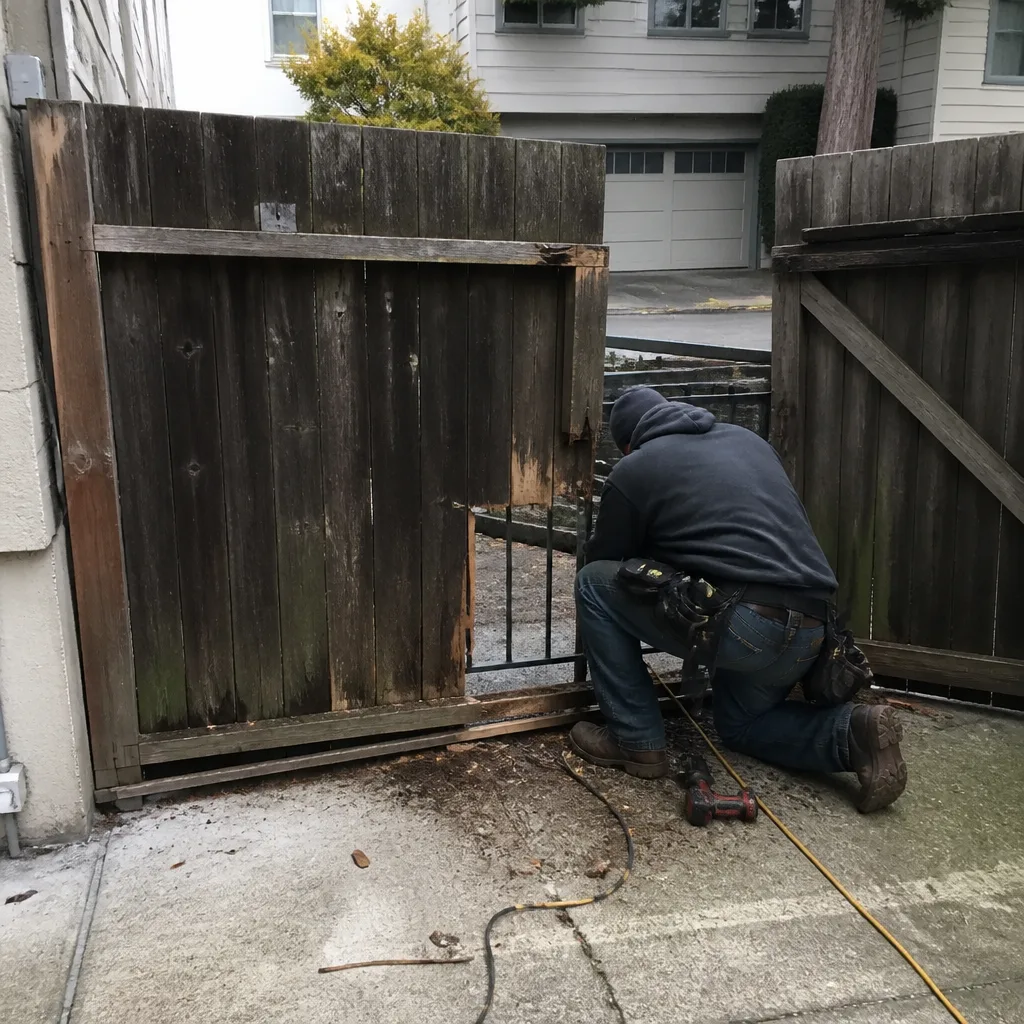 Before
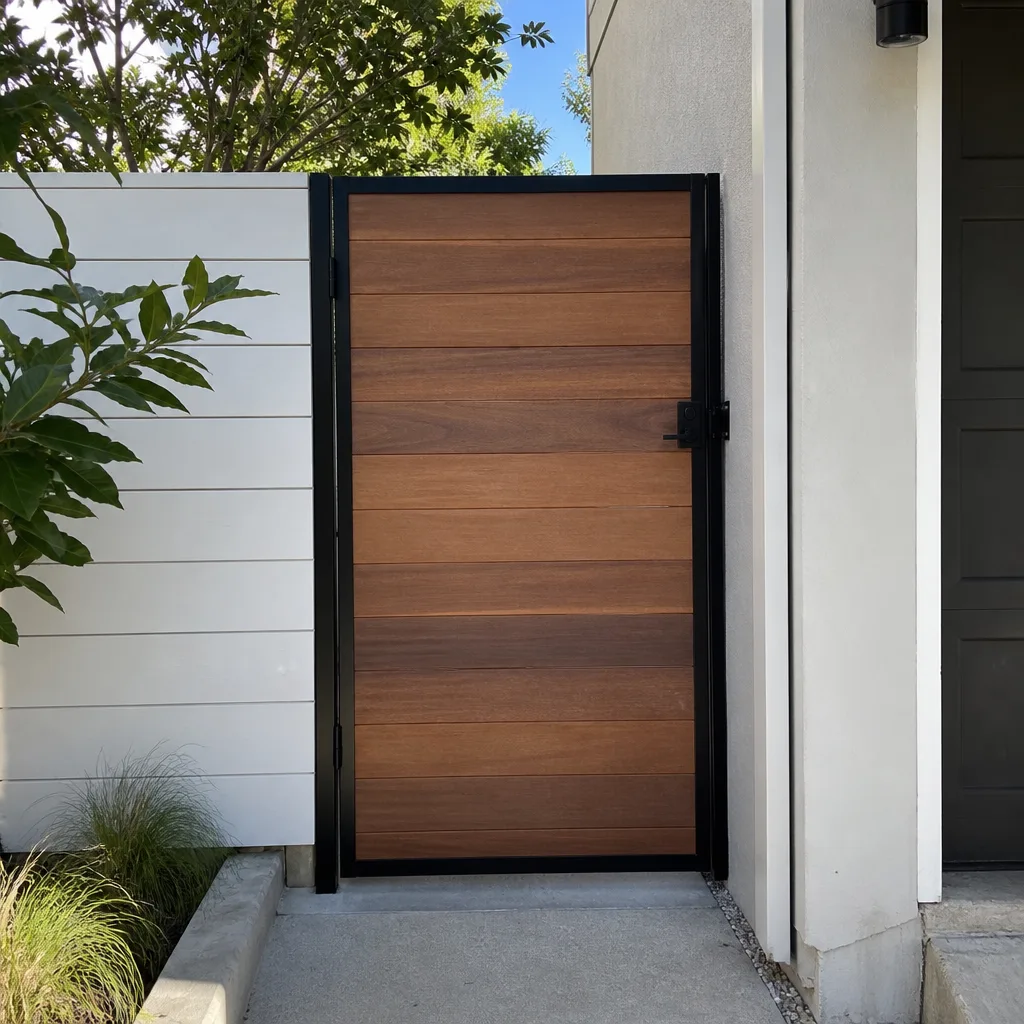 After
After Before
 After
After Before
 After
After