
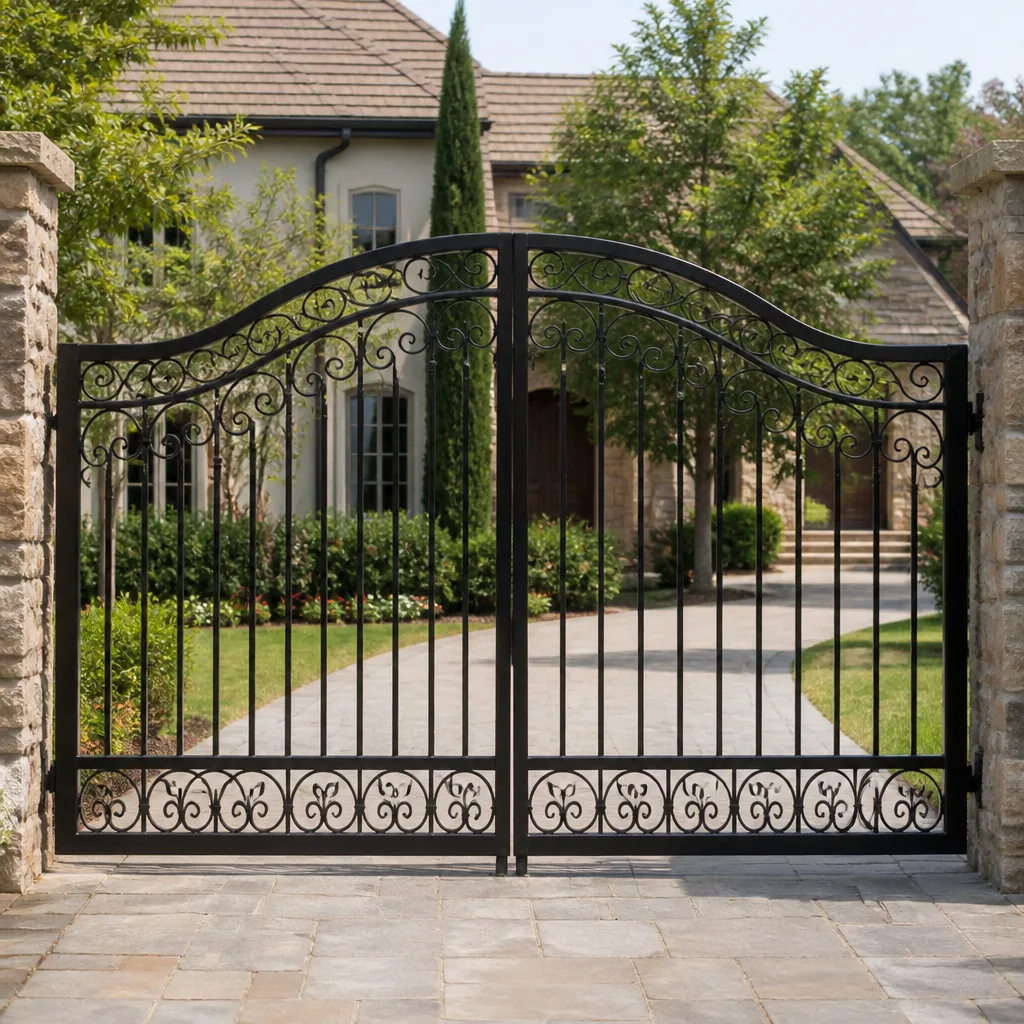
 Wrought iron
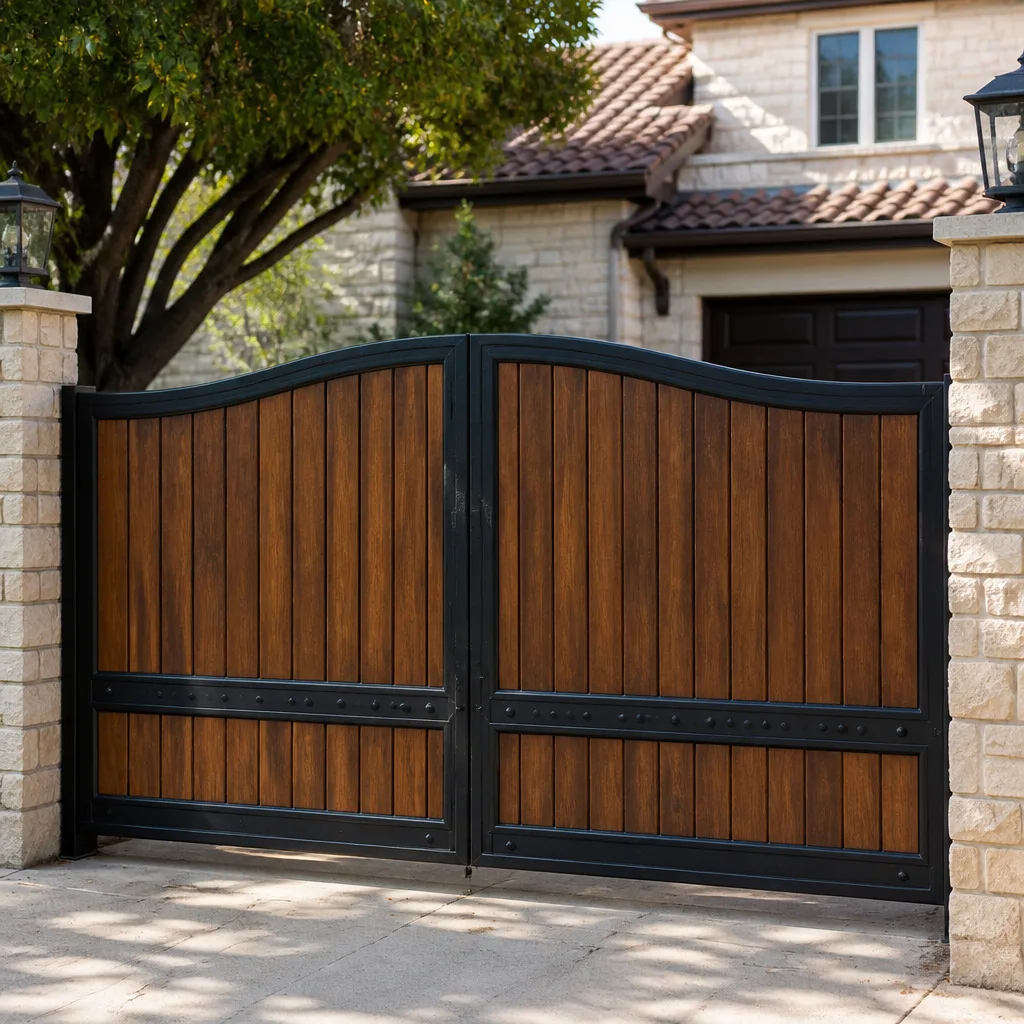 Wood & steel frame
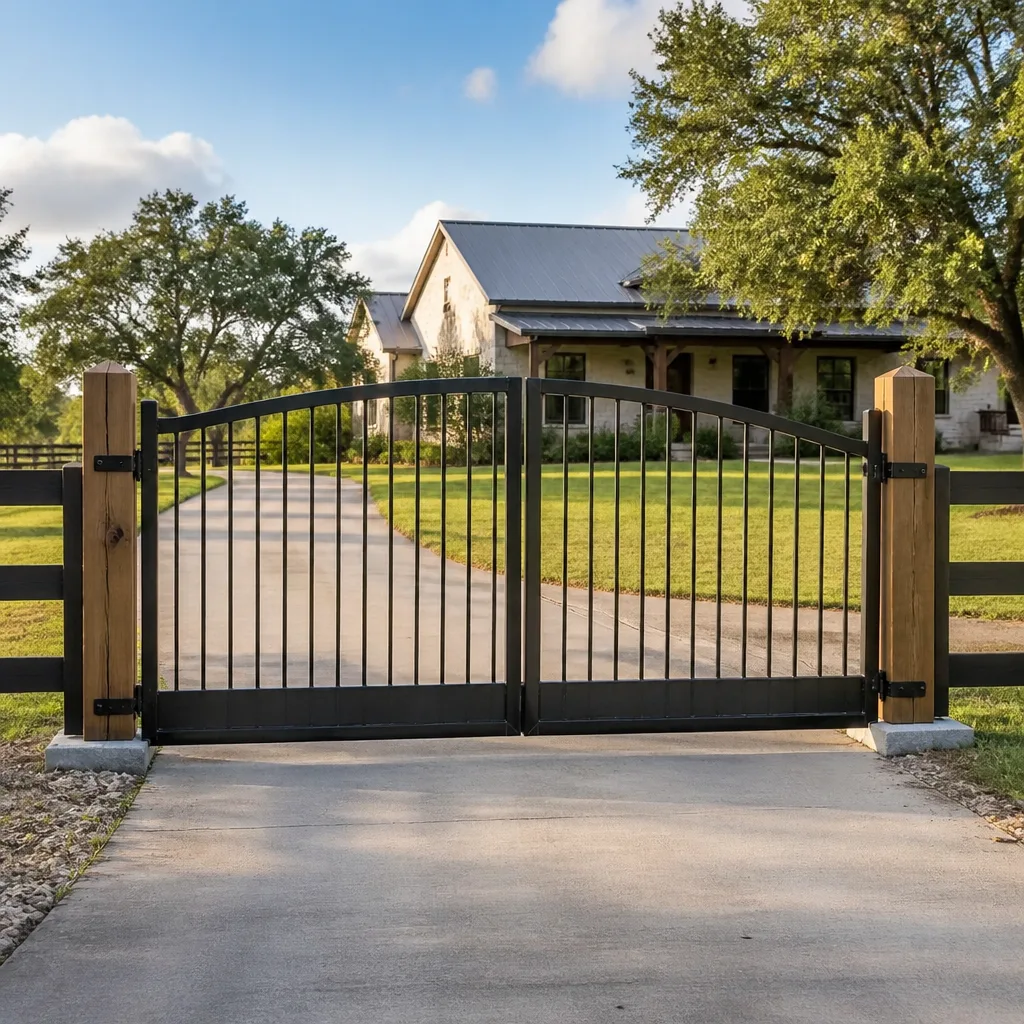 Farm & ranch
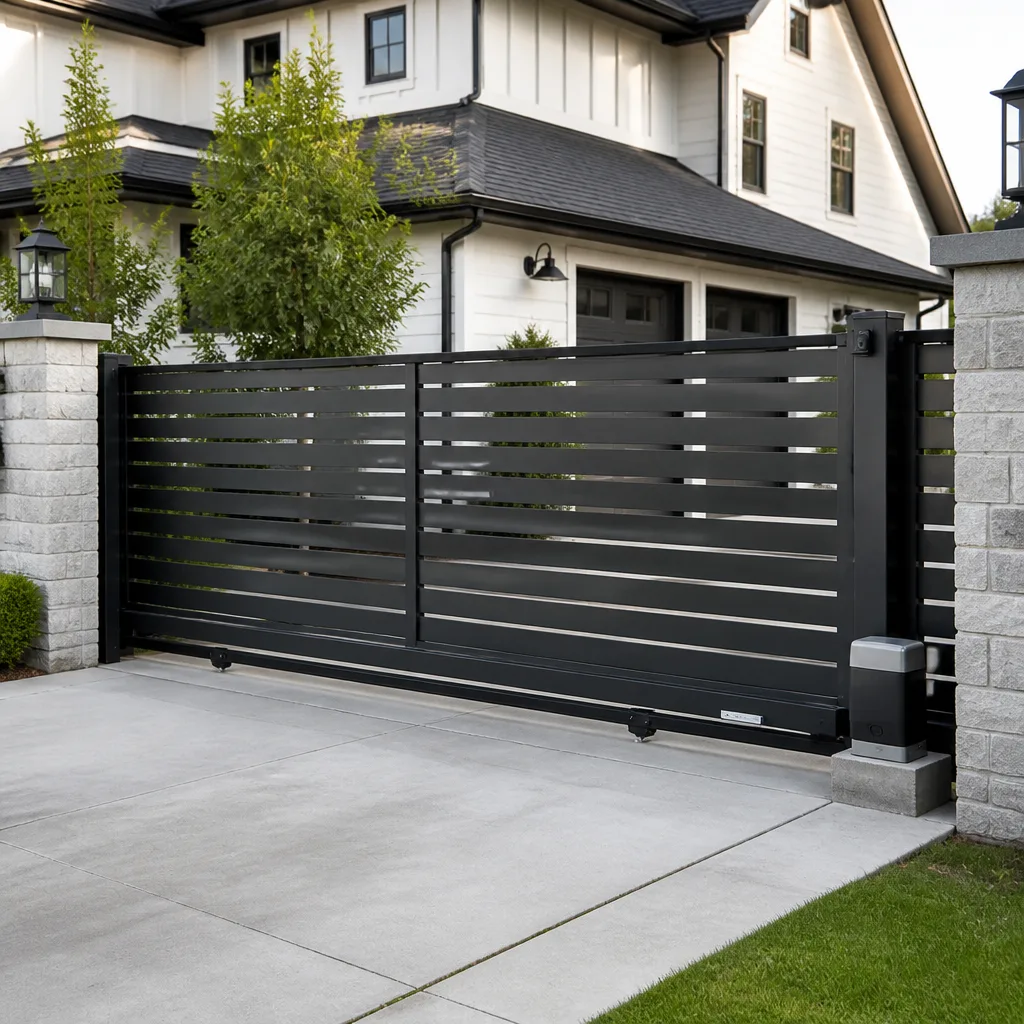 Sliding driveway gates
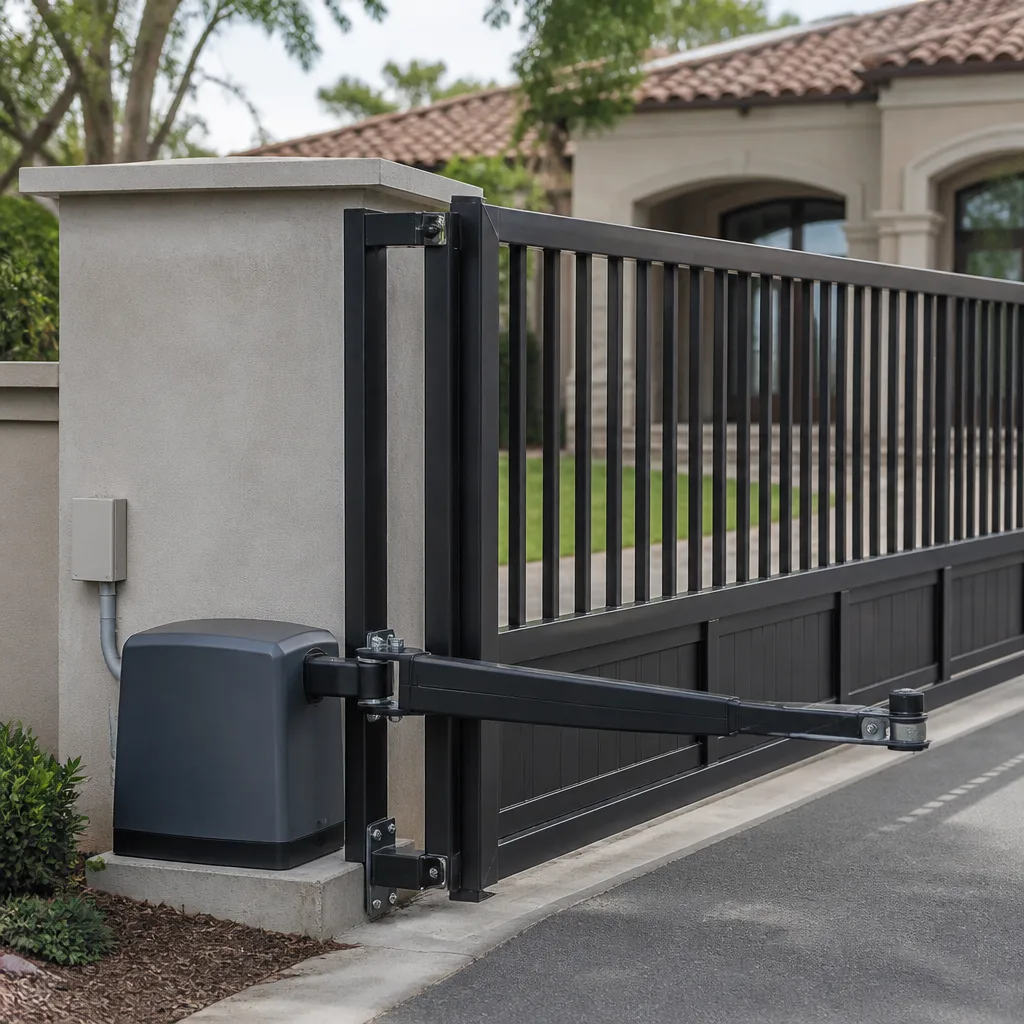 LiftMaster operators
Free on-site gate assessment - hinges, posts, and your LiftMaster or Nice gate operator checked before anything is quoted
The assessment is free and the quote is the invoice.
Get your free estimateGhost Controls Gate Motor Replacement: The San Francisco Owner’s Guide
We stock and install Ghost Controls-compatible gate motor replacements throughout San Francisco, with most swaps running $480 to $850 installed depending on your model and whether the arm, battery, or control board needs replacing too. Same-day service is usually available when we have your specific part on the truck, which we do for the most common Ghost Controls single and dual gate openers. Most owners discover the motor has failed the hard way: the gate worked fine yesterday, and this morning it groaned, beeped, or simply refused to move. Sometimes the remote still clicks and the control board lights up, but the motor itself just sits there silent, which is how you know the electronics survived and the mechanical drive didn’t.
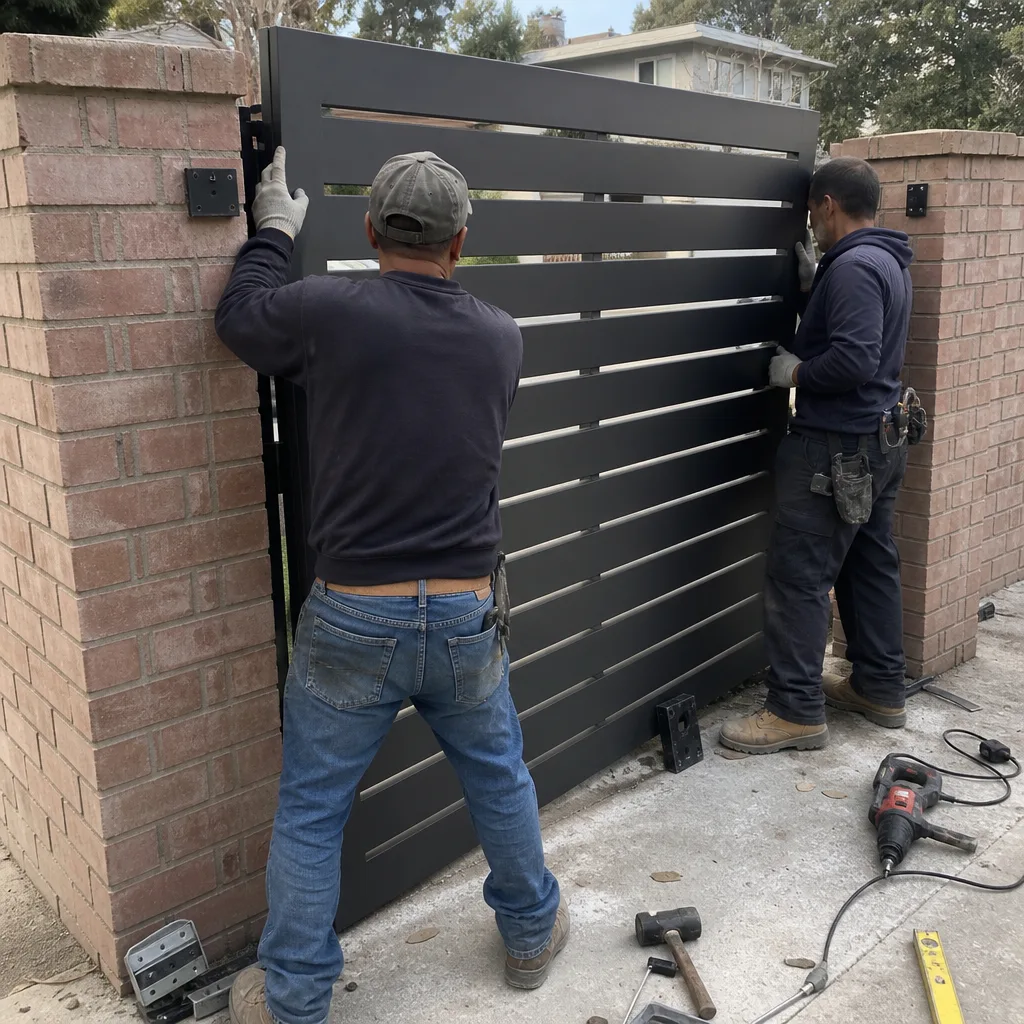
Which Ghost Controls Models This Applies To
Ghost Controls builds two main opener families: the TSS (TSS1, TSS1XP) series for single gates and the TDS (TDS2, TDS2XP) series for dual swing gates. The XP designation matters because those motors have a stronger gearbox and a longer threaded shaft, and the motor from a standard TSS1 will not bolt into an XP arm without an adapter that Ghost Controls never officially sold. Check the label on the underside of the motor housing: you’re looking for the part number starting with “AX” followed by three digits, and that number tells us exactly which revision you have. We always pull that number before ordering anything.
On the OEM versus aftermarket question: Ghost Controls OEM motors tend to run about 15 to 20 percent more than quality aftermarket equivalents, and for most San Francisco homeowners the aftermarket option is perfectly fine for a gate that cycles 10 to 20 times a day. If your gate opens 40-plus times daily, which is the reality on some shared driveway properties in the Richmond District, we recommend the OEM motor because the gear material holds up longer under that duty cycle. We keep both options on the shelf and we’ll show you the price difference in writing before anything gets ordered.
Styles & brands we work with
Signs Your Ghost Controls Gate Motor Replacement Is Failing
- The gate groans or grinds but moves slowly. That’s usually the internal gear train wearing down. Ghost Controls uses a nylon intermediate gear that gets brittle with age, and the sound you hear is the remaining teeth struggling to mesh. Left alone, it strips completely and the gate stops mid-swing.
- The motor hums but the gate doesn’t budge. This points to either a stripped gear (the hum is the motor spinning against nothing) or a failed capacitor in the motor start circuit. Either way, the fix is a replacement, not a lube job.
- One gate leaf opens but the other stays put. On dual TDS systems, each leaf has its own motor. The dead leaf’s motor likely has a burned winding or a broken wire at the base of the arm. The functioning motor tells us the control board and transformer are still fine.
- The gate opens fine but won’t reverse when it hits an obstruction. That’s the current-sensing function inside the motor failing. It’s a safety issue: the gate will keep pushing against whatever is in the way, which is not something you want with a kid or a dog in the path. We flag this one as a replace-sooner-rather-than-later situation.
- You hear a clicking sound from the motor area but nothing moves. The click is the relay on the control board sending power, but the motor’s thermal overload or internal safety is tripping instantly. This usually means a short in the motor winding. No amount of reprogramming fixes it.
See the difference
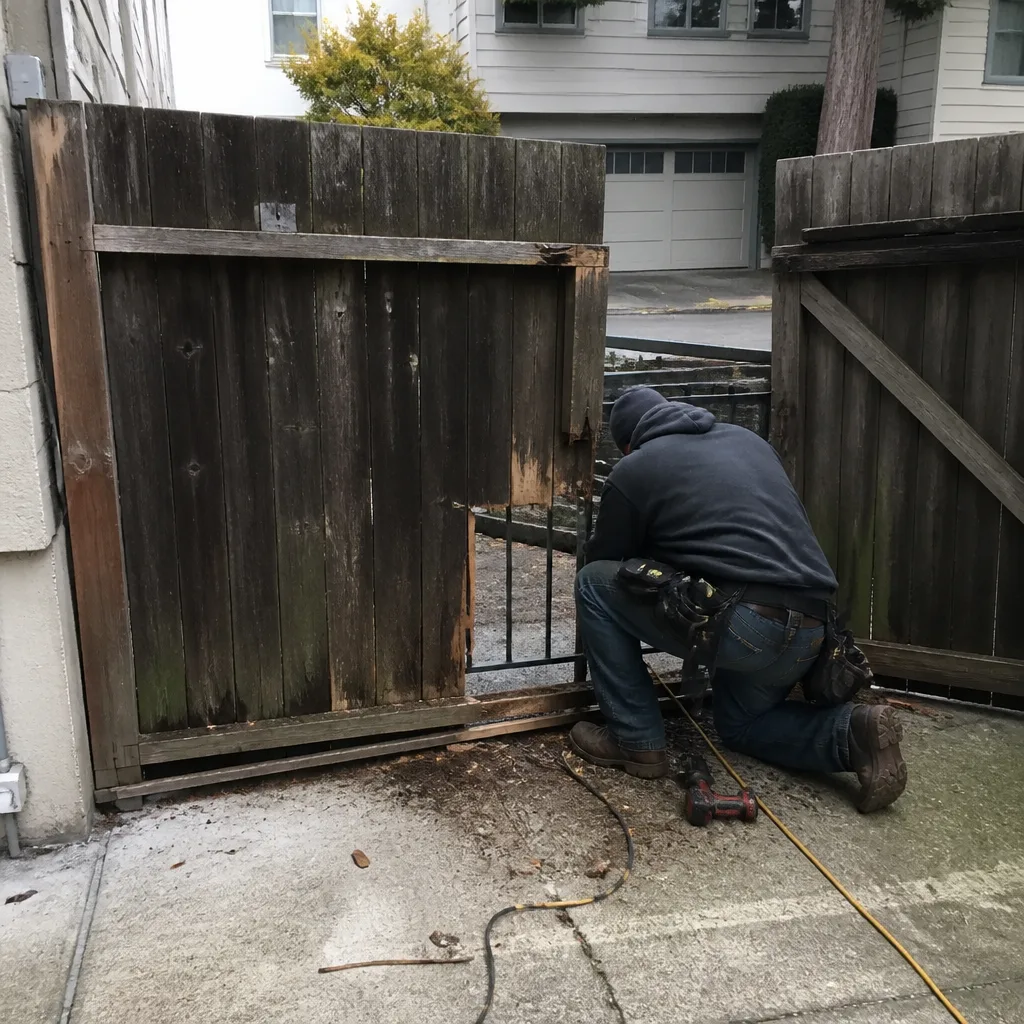 Before
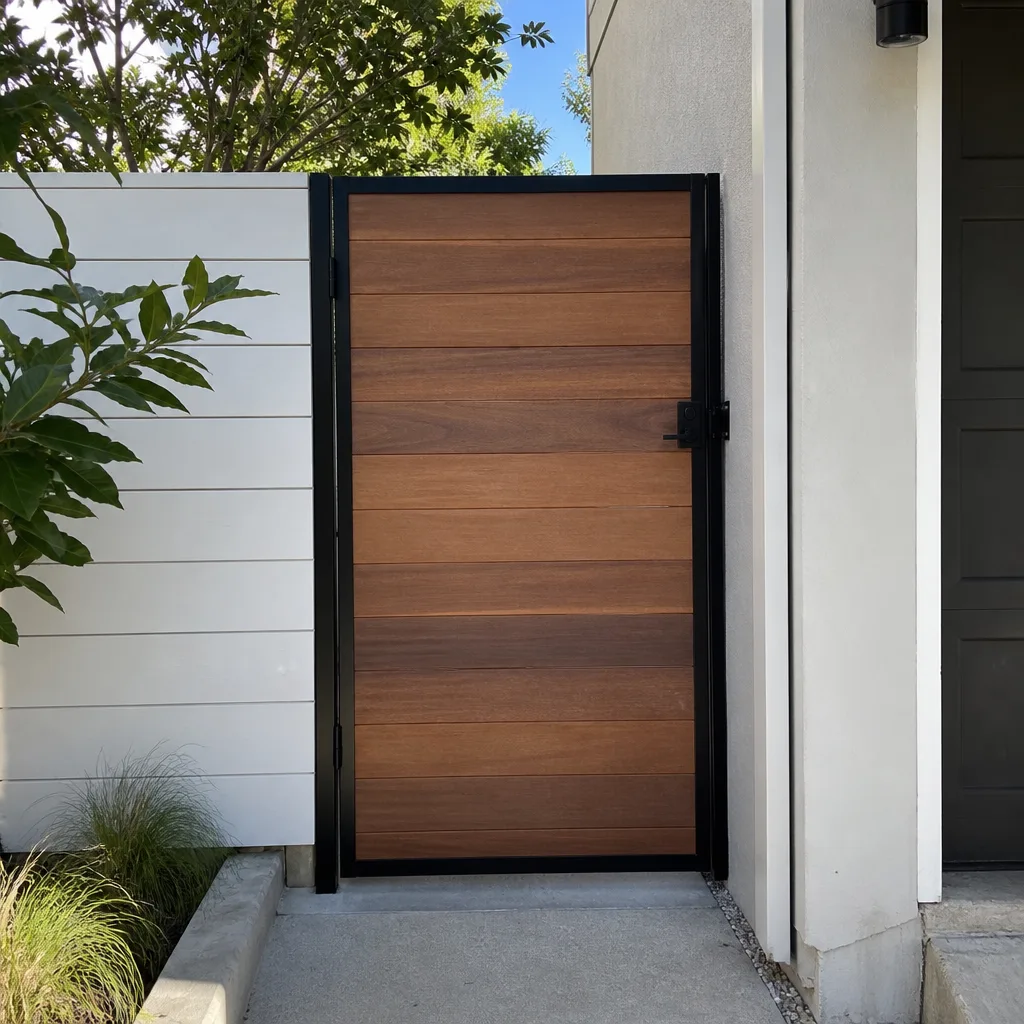 After
After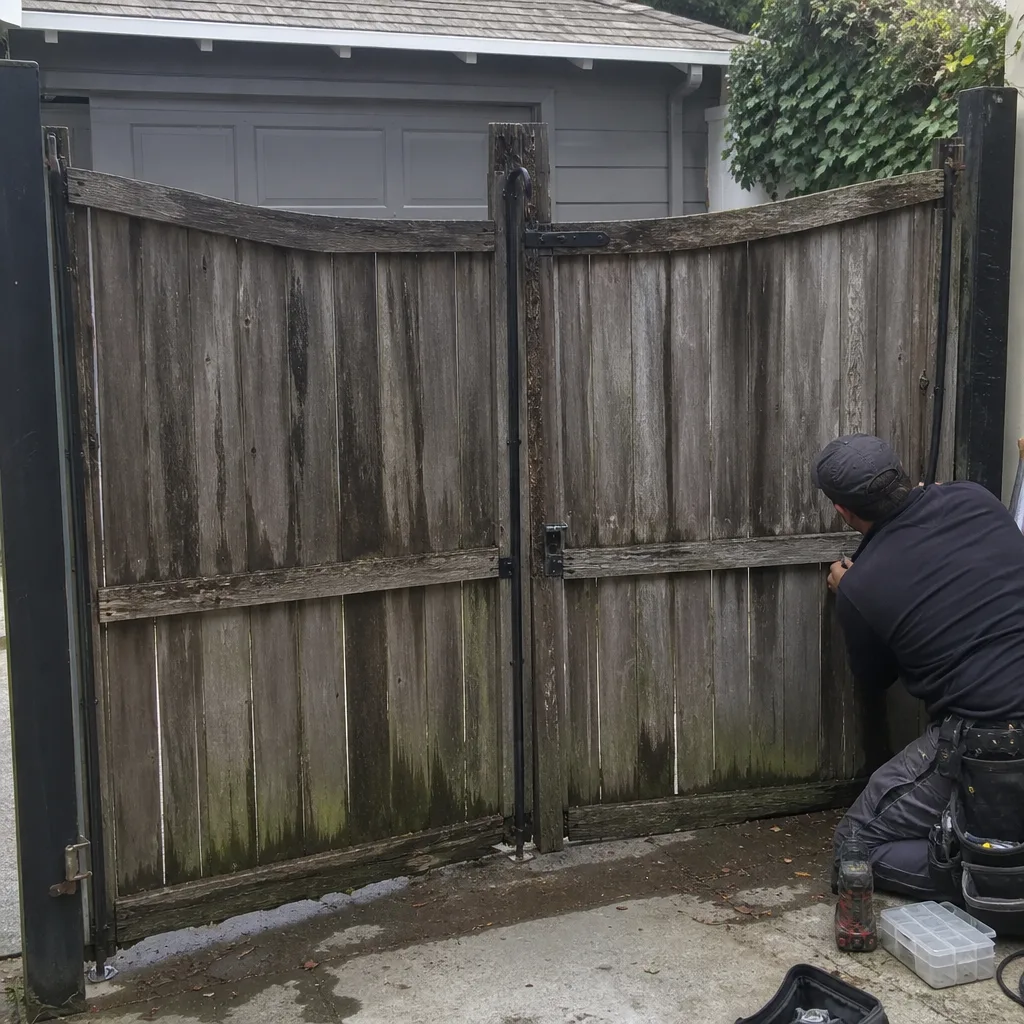 Before
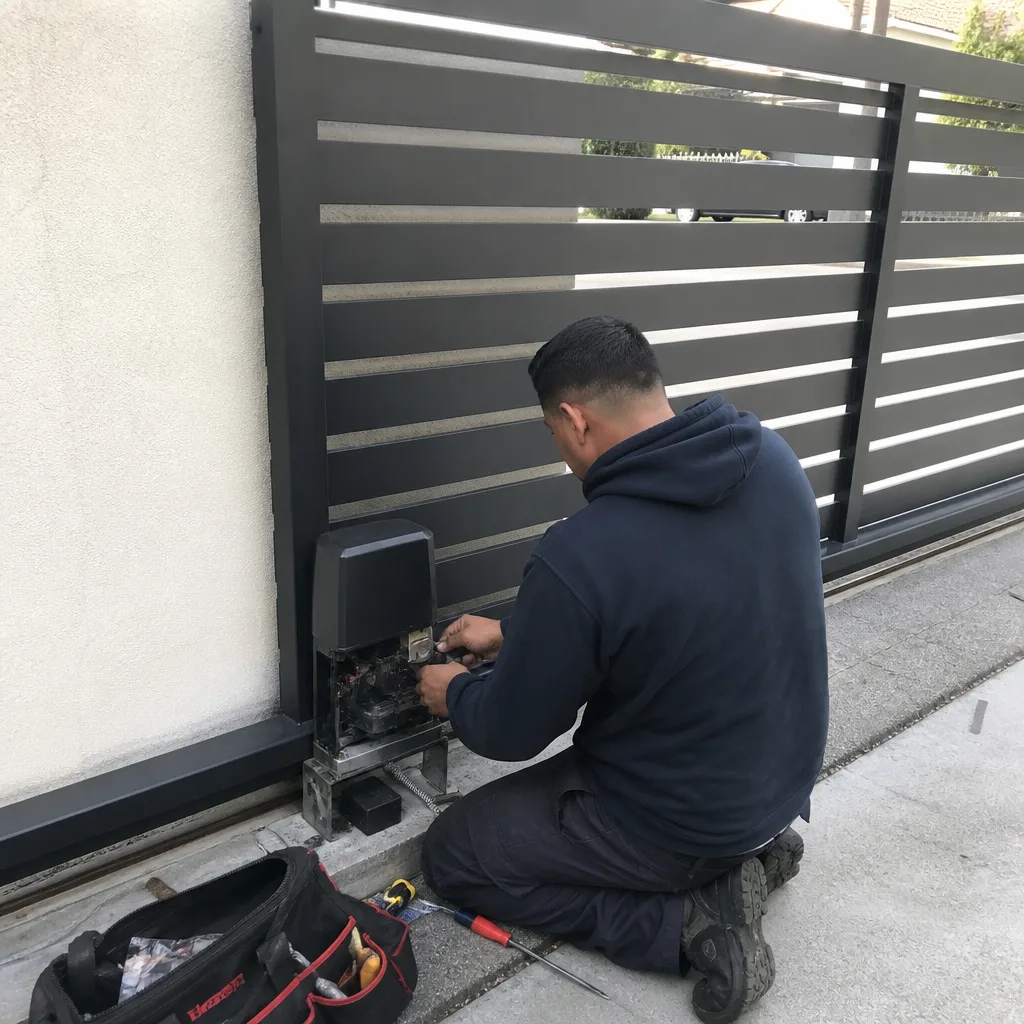 After
After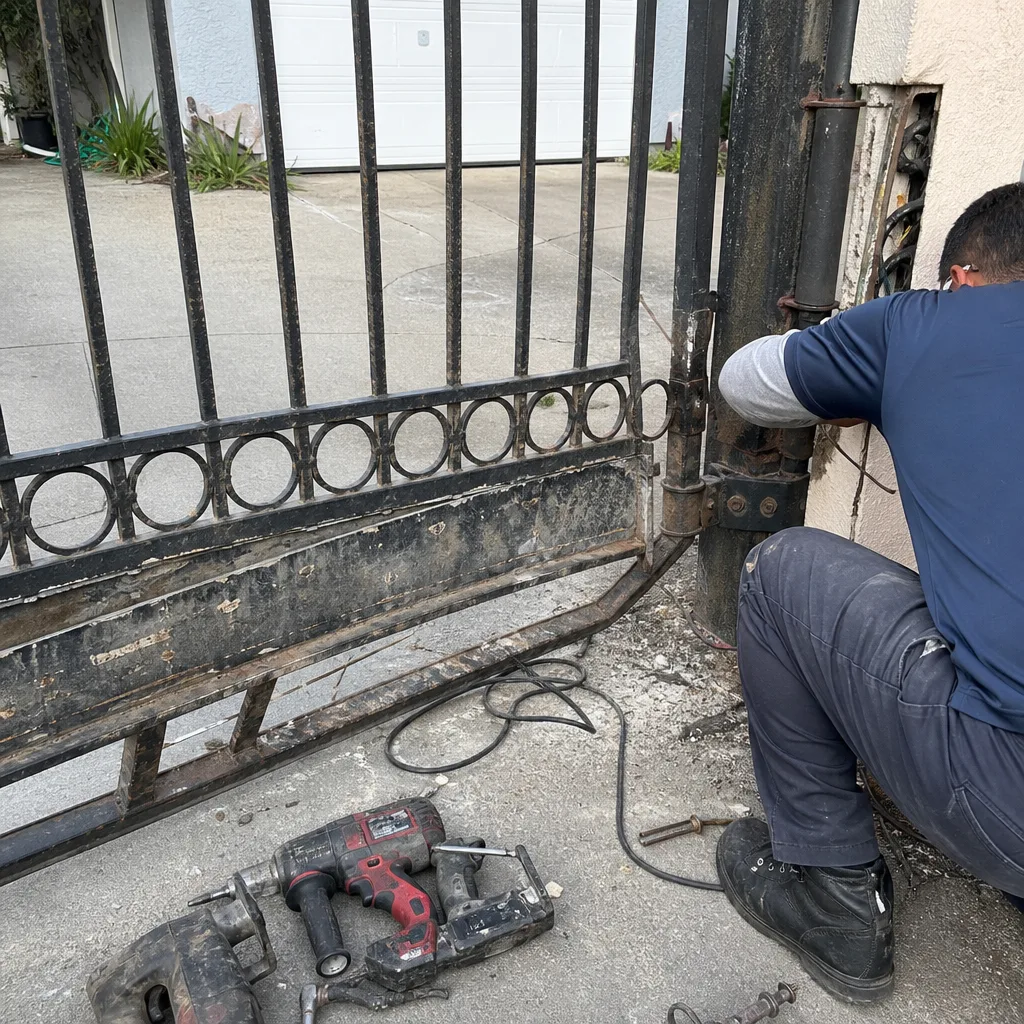 Before
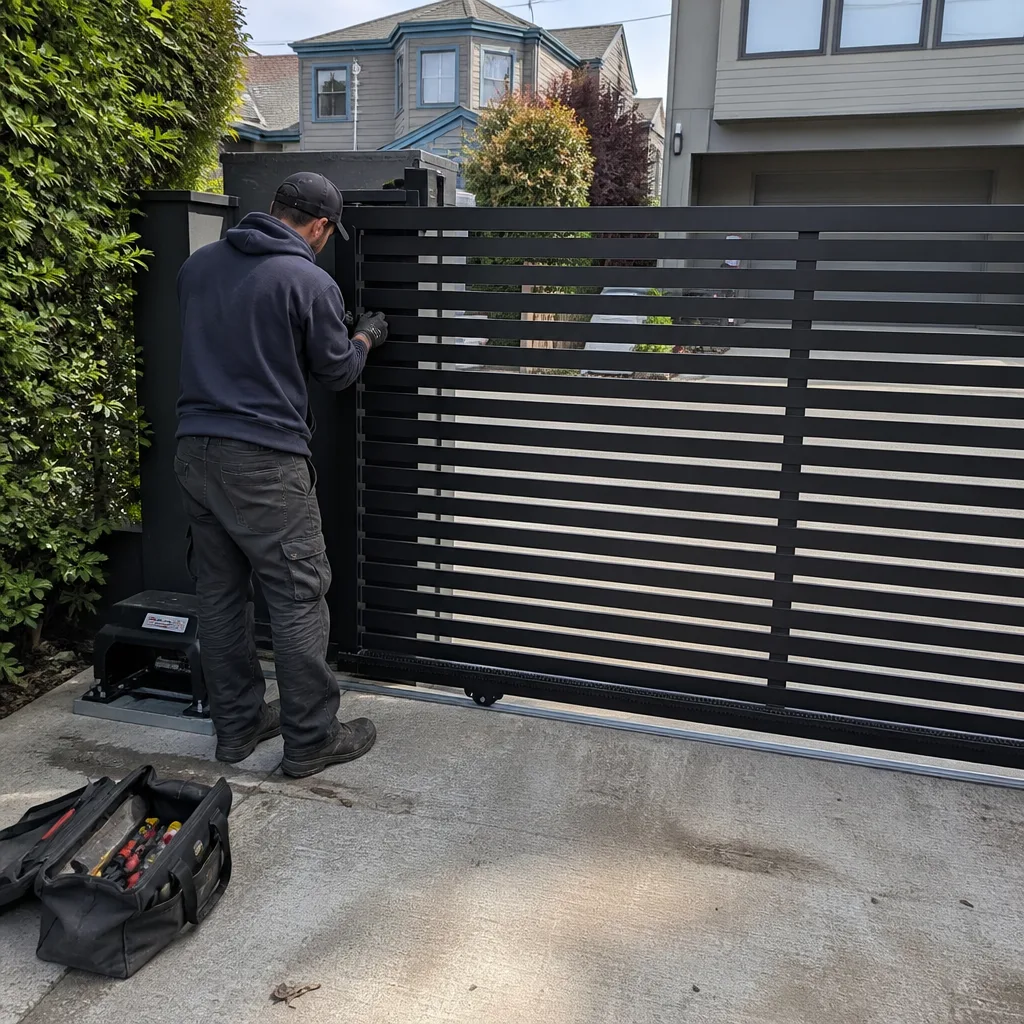 After
AfterReplacement Cost & What’s Included
In San Francisco, a Ghost Controls gate motor replacement typically lands between $480 and $850 installed. The spread comes down to three things: whether you have the standard TSS/TDS motor or the XP variant (XP runs about $80 to $120 more), whether the gate arm itself also needs replacement due to corrosion on the threaded shaft, and whether we’re doing one motor or two on a dual system.
Every quote we write includes the motor, the labor, the removal and disposal of the old unit, and a full test cycle with your existing remotes and keypad. You’ll see the exact number in writing before we touch anything. There’s no “parts may vary” line anywhere on our invoices. The work is covered by our 365-Day Done Right Promise, which means if that motor misbehaves within a year, we come back and make it right without a negotiation.
One San Francisco-specific note: salt air from properties near Ocean Beach and the outer avenues accelerates corrosion on the motor’s exposed steel mounting brackets. If your brackets look like they’ve been sandblasted, we’ll quote new stainless ones while we’re in there. It’s a small add-on that prevents a future service call.
DIY or Call Us?
There are two things you can safely do before calling anyone. First, check the breaker and the low-voltage transformer: sometimes a Ghost Controls motor “failure” is just a tripped GFCI outlet, which happens more often in San Francisco’s damp garages and exterior outlets than most people realize. Second, check the battery in the remote. That’s the extent of what we’d call owner-level diagnostics.
The motor replacement itself involves high-tension gate arms, 12-volt wiring that can arc if shorted, and a gate that weighs anywhere from 150 to 400 pounds. If a gate leaf slips off its pin while the arm is disconnected, it can injure whoever is standing next to it. We don’t recommend doing this as a weekend project. Our technicians do this specific swap several times a month, and we bring the right puller tools and the factory torque specs. If you’d rather just have it handled, call (628) 227-2771 and we’ll get someone out to you.
FAQs
In San Francisco’s coastal climate, most Ghost Controls motors last 5 to 8 years before either the gears or the motor windings give out. Properties closer to the ocean or on shared driveways with high daily cycles can see that drop to 3 to 5 years. Call (628) 227-2771 and we’ll help you figure out whether your motor is at end-of-life or just needs a smaller part.
Occasionally yes: if the only issue is a worn nylon gear, we can sometimes rebuild the gear train for less than a full motor. But if the winding has shorted or the XP threaded shaft is corroded, replacement is cheaper and more reliable than a rebuild. We’ll show you both options and let you choose.
Most single-motor replacements take 60 to 90 minutes from start to finish, including testing your remotes and keypad. Dual systems with two motors run closer to two hours. We’ll give you a time window when you book, and the technician will confirm you’re home and ready before anyone unpacks a tool.
We keep the most common Ghost Controls motors, gears, and control boards on our trucks, along with parts for LiftMaster, Mighty Mule, and DoorKing systems. If you have an unusual revision, we can usually have the part in hand within one to two business days. Call (628) 227-2771 and we’ll check your model number on the spot.
If your Ghost Controls gate motor is groaning, clicking, or dead silent, call us at (628) 227-2771. We’ll ask a few questions about your model and symptoms, give you a straight answer on what we think is wrong, and schedule a visit at a time that works for you. The price gets written down before we start, and the work is done right or we come back.
Written by Cody Beckman, Owner, Latch and Post Gate Repair San Francisco at Latch and Post Gate Repair San Francisco, serving San Francisco and nearby areas.