
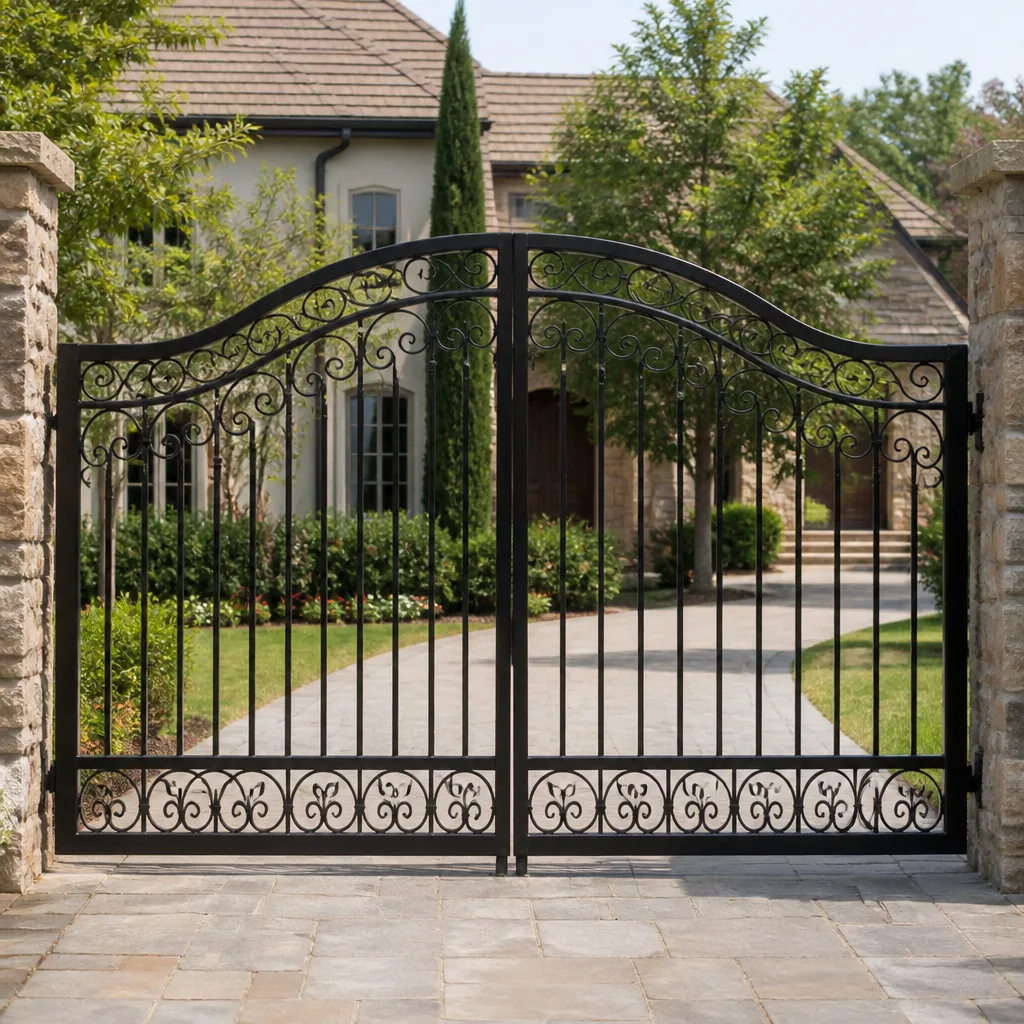
 Wrought iron
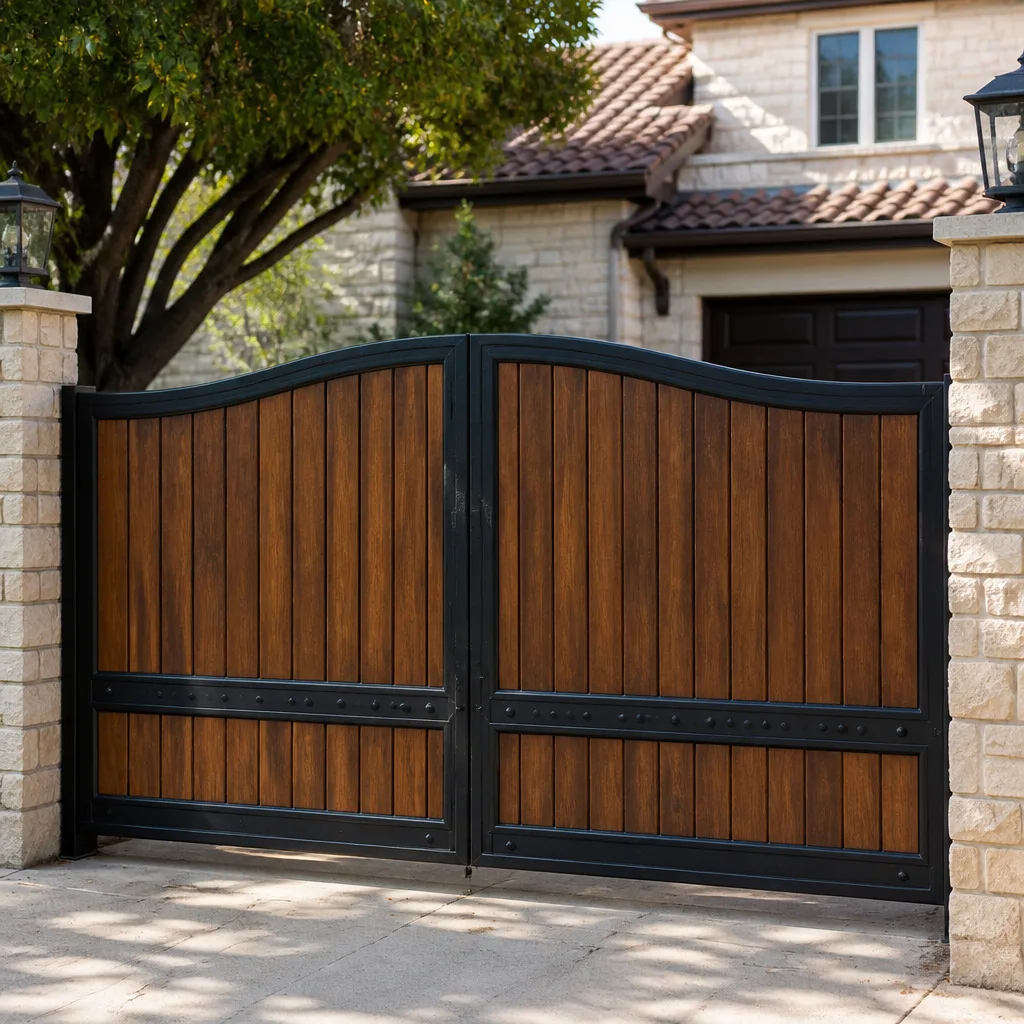 Wood & steel frame
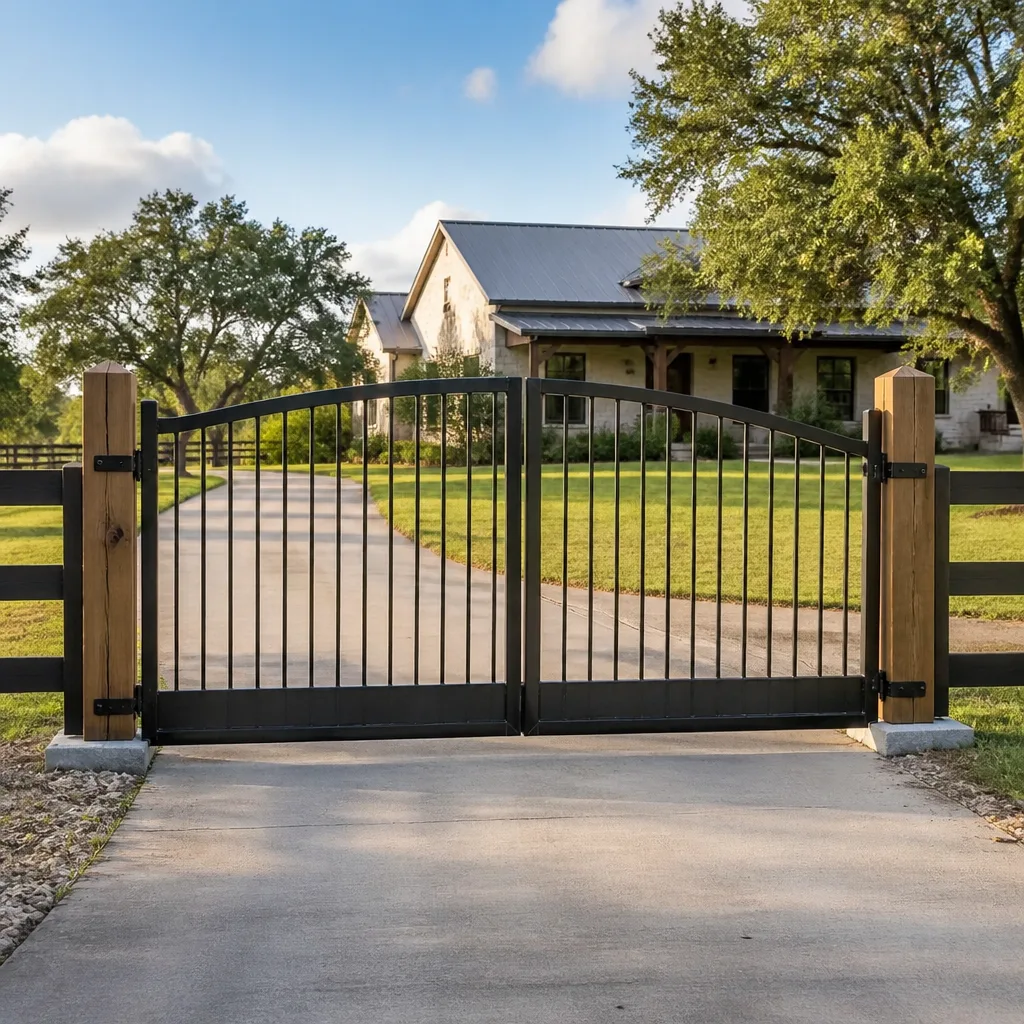 Farm & ranch
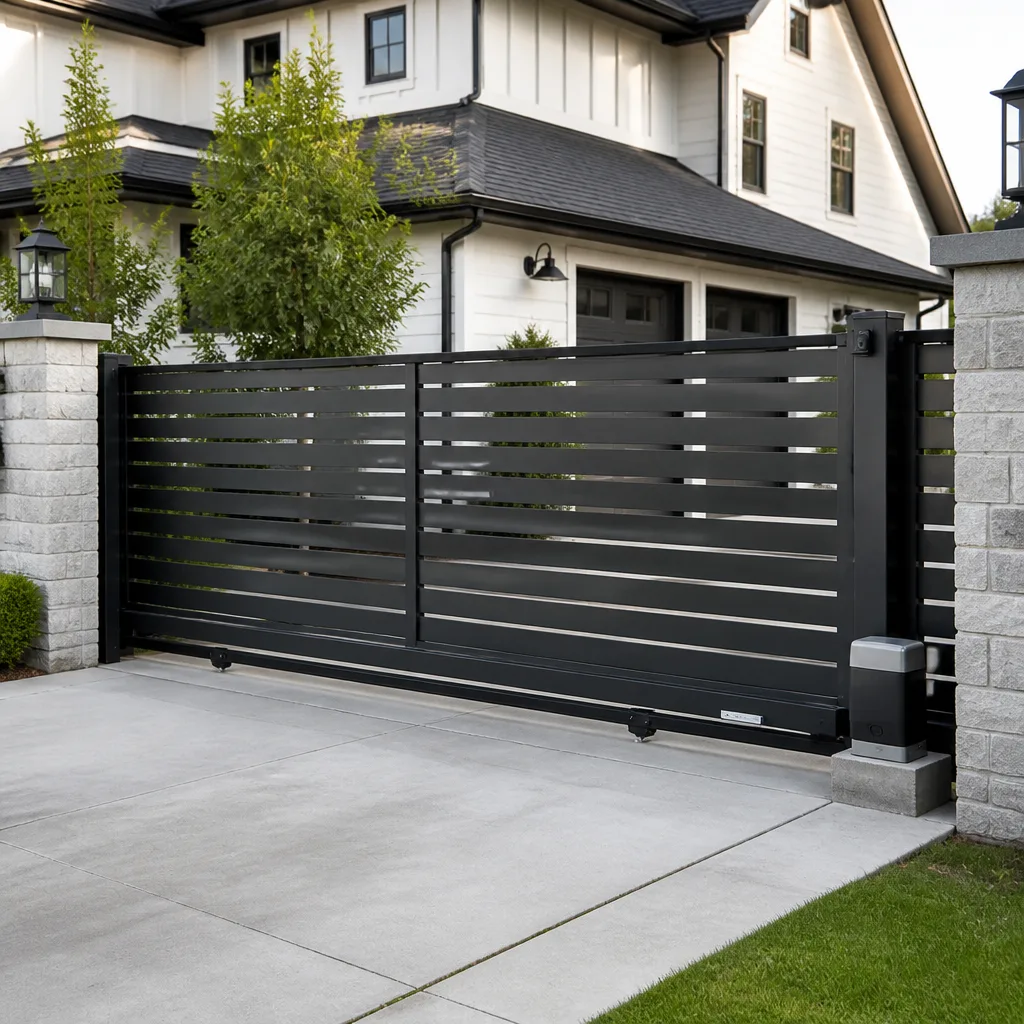 Sliding driveway gates
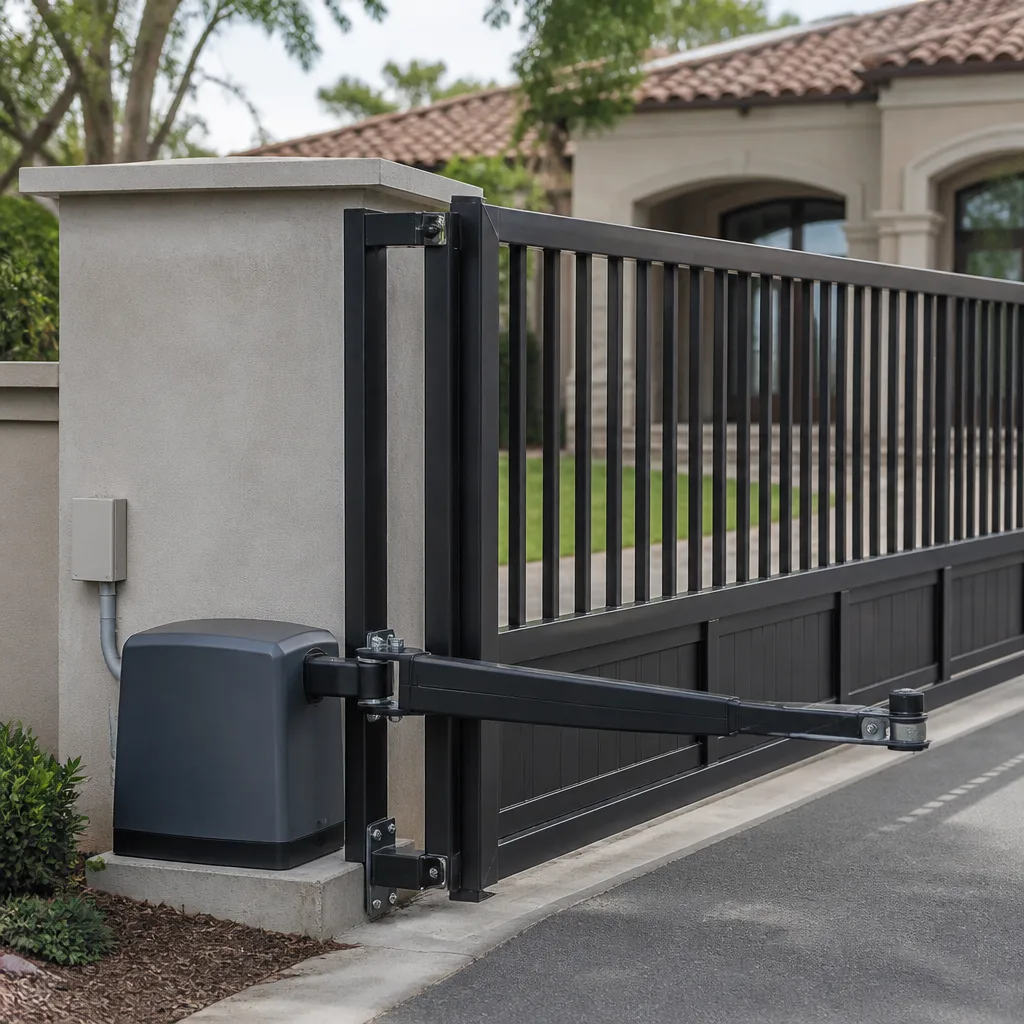 LiftMaster operators
Free on-site gate assessment - hinges, posts, and your LiftMaster or Nice gate operator checked before anything is quoted
The assessment is free and the quote is the invoice.
Get your free estimateFAAC Keypad & Intercom Repair: The San Francisco Owner’s Guide
We repair and replace FAAC keypads and intercom systems throughout San Francisco, with most jobs running between $260 and $680 installed, depending on the model and what failed. If you’ve got a dead keypad, a buzzer that stopped buzzing, or a call button that does nothing, we can usually diagnose it in one visit and have parts on hand to finish the repair the same day. Most owners discover the problem the same way: they punch in their code at the driveway, hear nothing, and realize the gate used to beep. That beep was the keypad talking to the control board, and when it goes silent, something between the button and the board has given up.
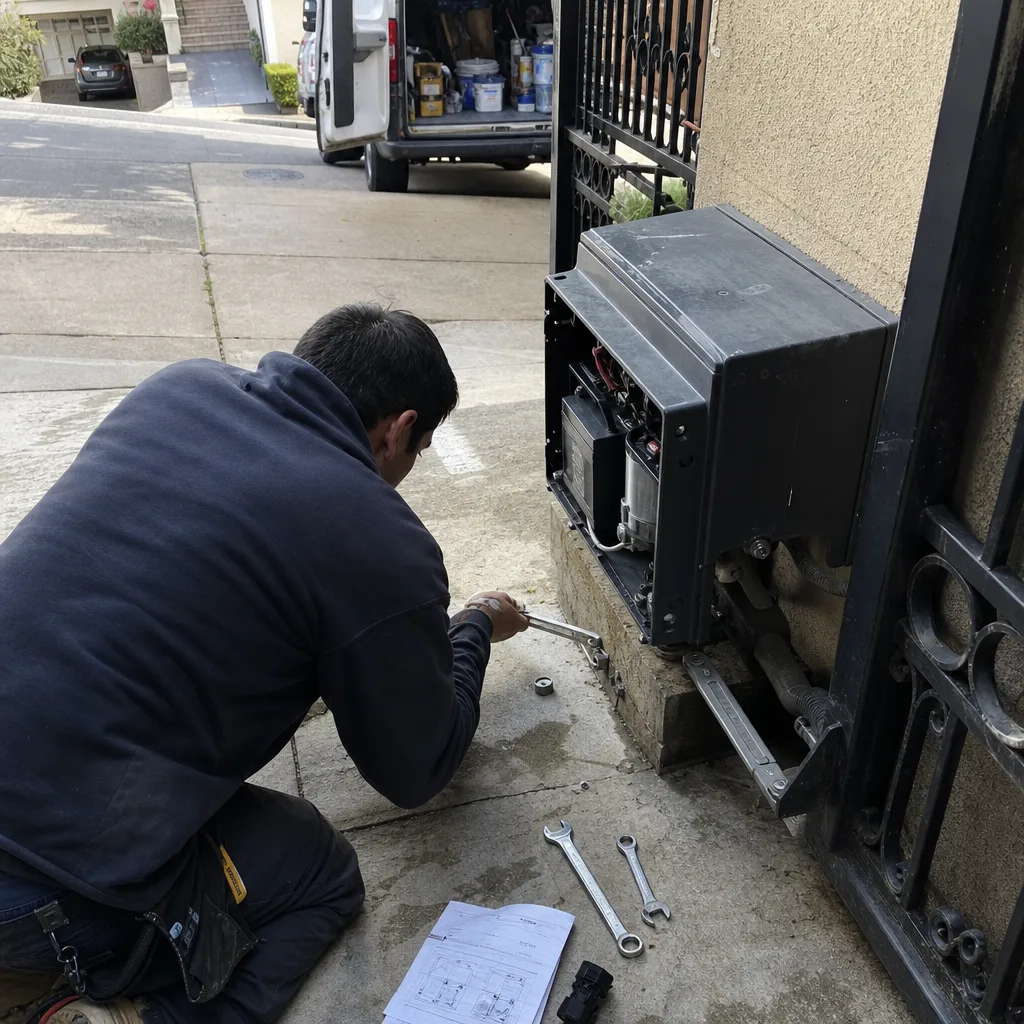
What We’re Actually Fixing
Before we get into symptoms and costs, let’s name the parts. A FAAC keypad isn’t always just a keypad. On many San Francisco properties, it’s part of a larger entry system: the keypad at the driveway, the intercom handset inside the house, and the control board in the gate operator that ties them together. When one piece quits, the other two often look guilty but aren’t. Our job is to figure out which component actually failed before we replace anything, because swapping a $400 intercom handset when the real problem is a $60 wiring short helps no one but the parts supplier.
Key Takeaways
- FAAC keypad and intercom repairs in San Francisco typically run $260 – $680 installed, parts and labor included.
- We carry FAAC-compatible keypads, intercom handsets, and control components on our trucks for most common models.
- Most repairs are completed in one visit, and we show you the written price before any work starts.
- The 365-Day Done Right Promise covers every repair we make, and we stock parts for LiftMaster, Mighty Mule, and Ghost Controls too.
Styles & brands we work with
Which FAAC Models This Applies To
FAAC has been building gate automation since 1965, and over the years they’ve produced several keypad and intercom lines that show up on San Francisco gates. The most common ones we service are the FAAC XKP keypads (the metal-faced numeric pads), the DigiKey and DigiCard readers found on some condominium and shared driveway systems, and the FAAC intercom modules that pair with their 412, 415, and 770 operator series.
The compatibility gotcha with FAAC is this: the keypad has to match the control board’s input protocol, not just the brand name. An older FAAC 412 board from 2008 won’t necessarily talk to a new XKP keypad without a decoder module in between. We’ve seen homeowners buy a replacement keypad online, wire it in, and watch nothing happen because the board and keypad don’t speak the same language. Before we quote a repair, we check the board revision, the keypad model number, and the existing wiring to confirm what will actually work.
OEM versus aftermarket: for FAAC specifically, we lean toward OEM or proven equivalent parts because the keypad-to-board communication is proprietary enough that cheap universal keypads often fail within a year. The San Francisco marine air doesn’t help. Salt and fog get into keypad housings on coastal-tending neighborhoods like the Richmond and Sunset, corroding contacts that would survive inland for a decade. A quality sealed keypad rated for outdoor exposure is worth the extra $40 to $80 in this city.
Signs Your FAAC Keypad or Intercom Is Failing
- The keypad beeps but the gate doesn’t move. This usually means the keypad itself is fine and the signal isn’t reaching the control board. The culprit is often a broken wire, a failed decoder module, or a board input that’s stopped responding. Fixing the keypad won’t help, and we’ve seen homeowners replace perfectly good keypads chasing this symptom.
- Some keys work, some are dead. The carbon contact pads under the key face wear out unevenly, especially on the numbers used most often. It’s repairable in some cases, but on a keypad that’s been exposed to five or six wet San Francisco winters, we usually recommend replacing the unit.
- The intercom buzzes but the voice is garbled or one-way. This frequently traces back to the intercom handset in the house, not the outside unit. A handset that’s been dropped, had juice spilled on it, or just aged out will often fail this way. The diagnostic step is simple: we test the outside call button on a known-good handset.
- No buzz, no ring, no response at all. When both the keypad and the intercom go dark together, look at the power supply to the entry system. These low-voltage systems are sensitive to water intrusion in the junction boxes, and San Francisco’s wet winters find every unsealed connector.
- The gate opens on its own or won’t close after a call. This sounds like a motor problem, and sometimes it is. But a keypad stuck in an open contact state can send the same signal a button press would, telling the gate to open. We disconnect the keypad from the board in our diagnostic process to rule it out before touching the operator.
See the difference
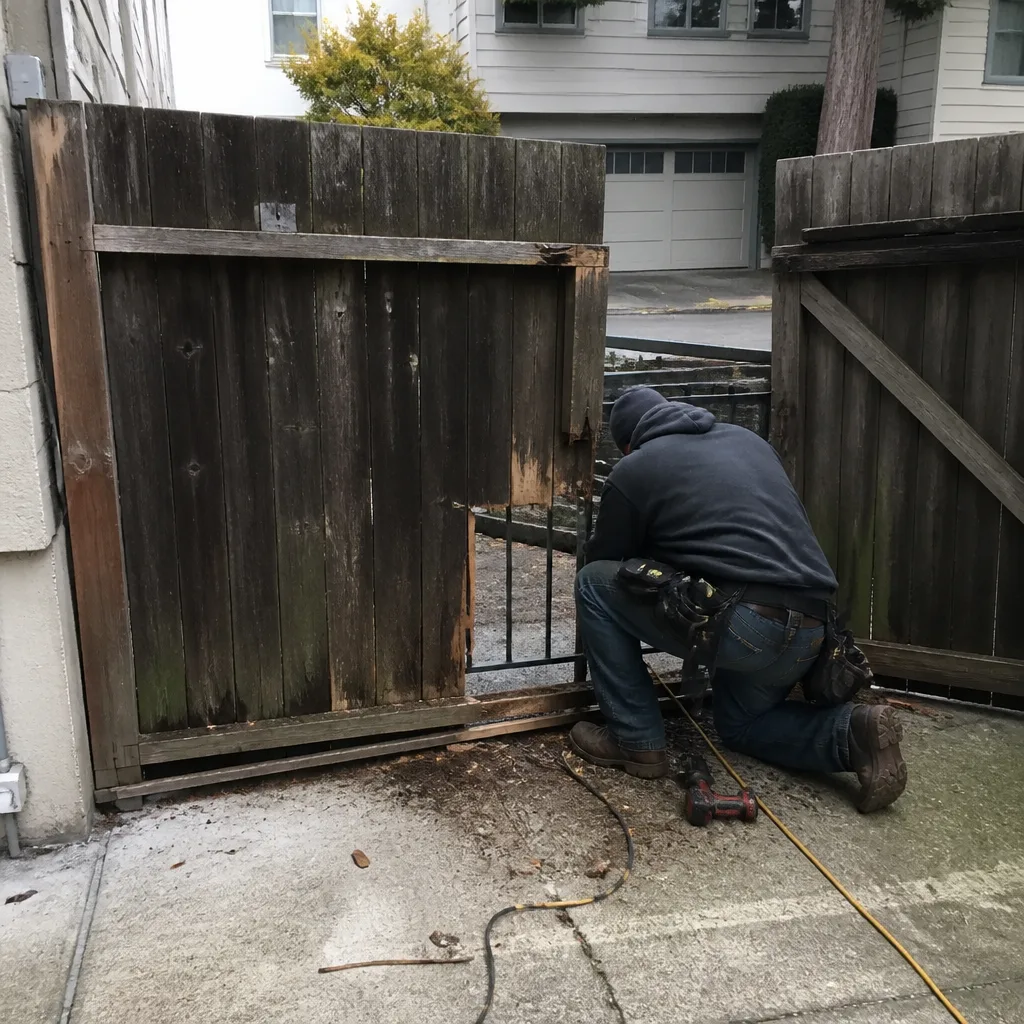 Before
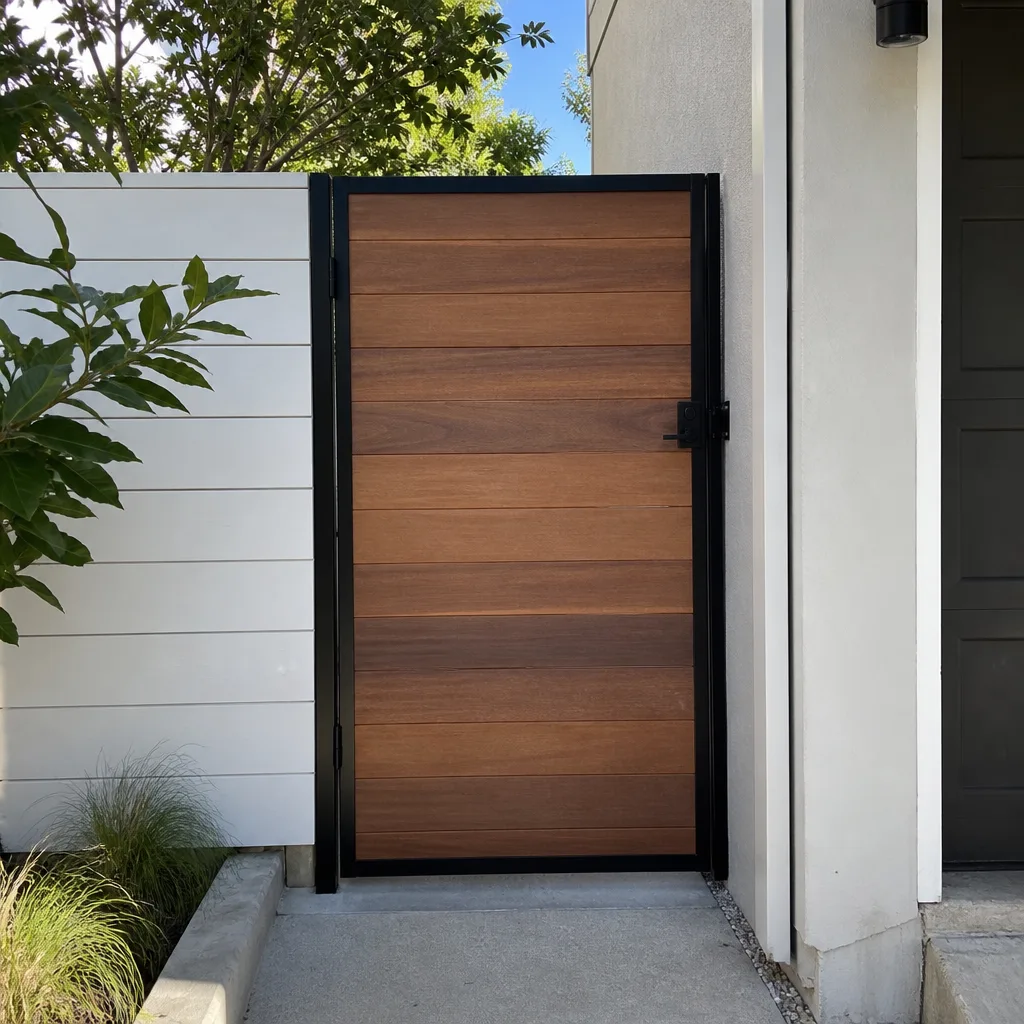 After
After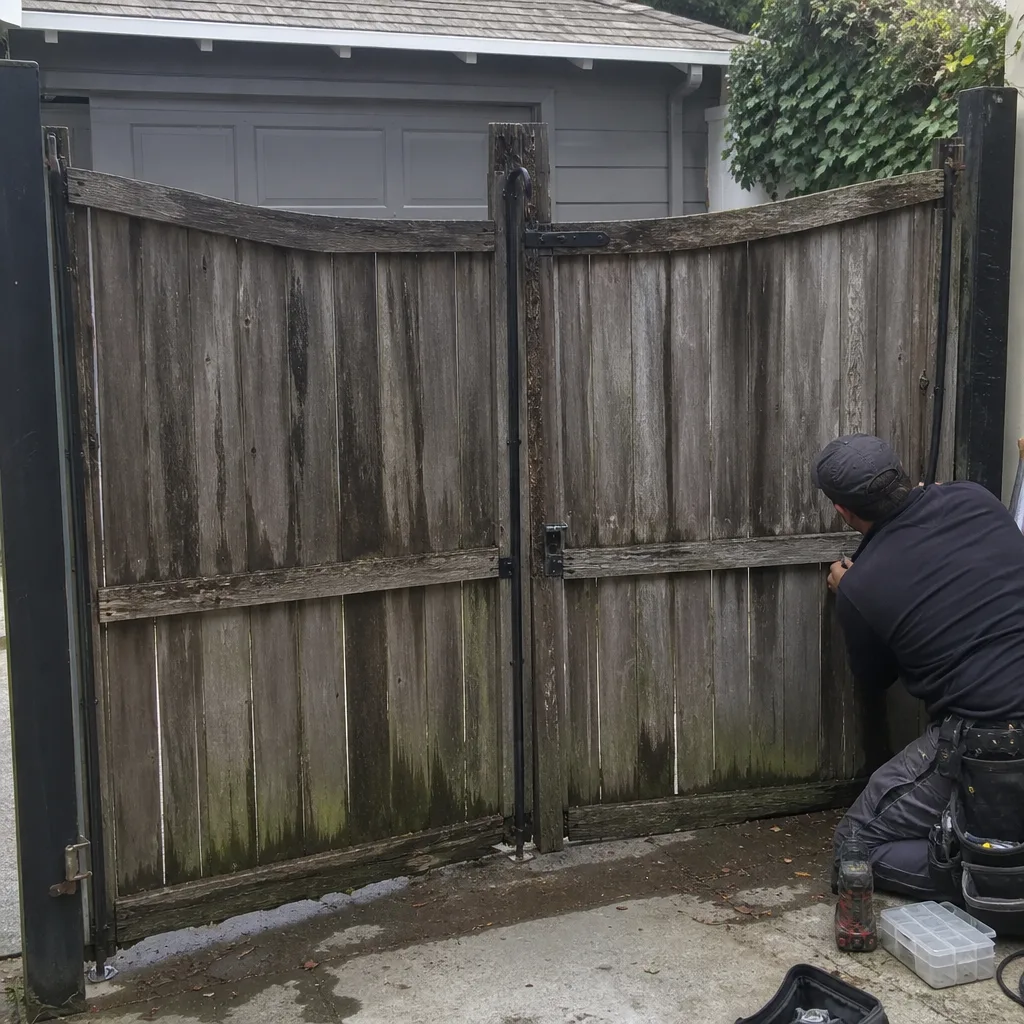 Before
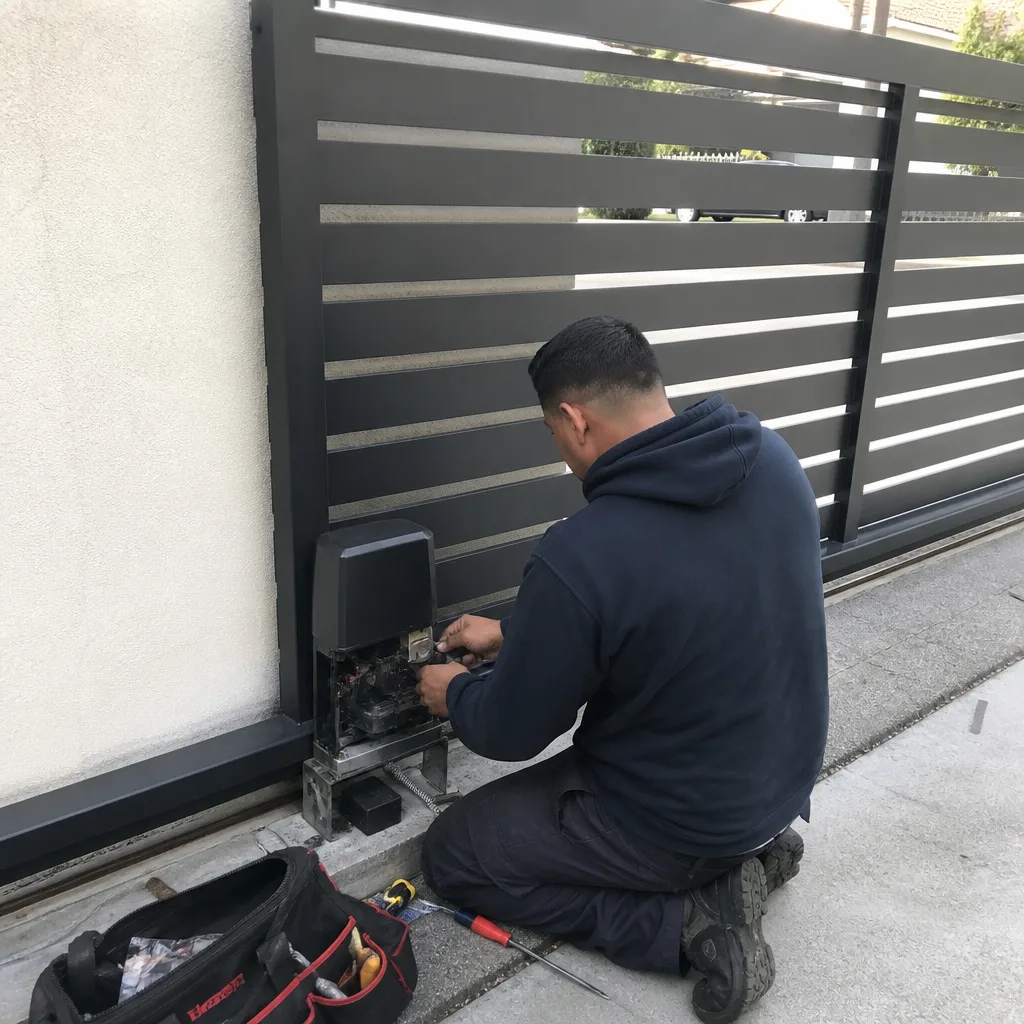 After
After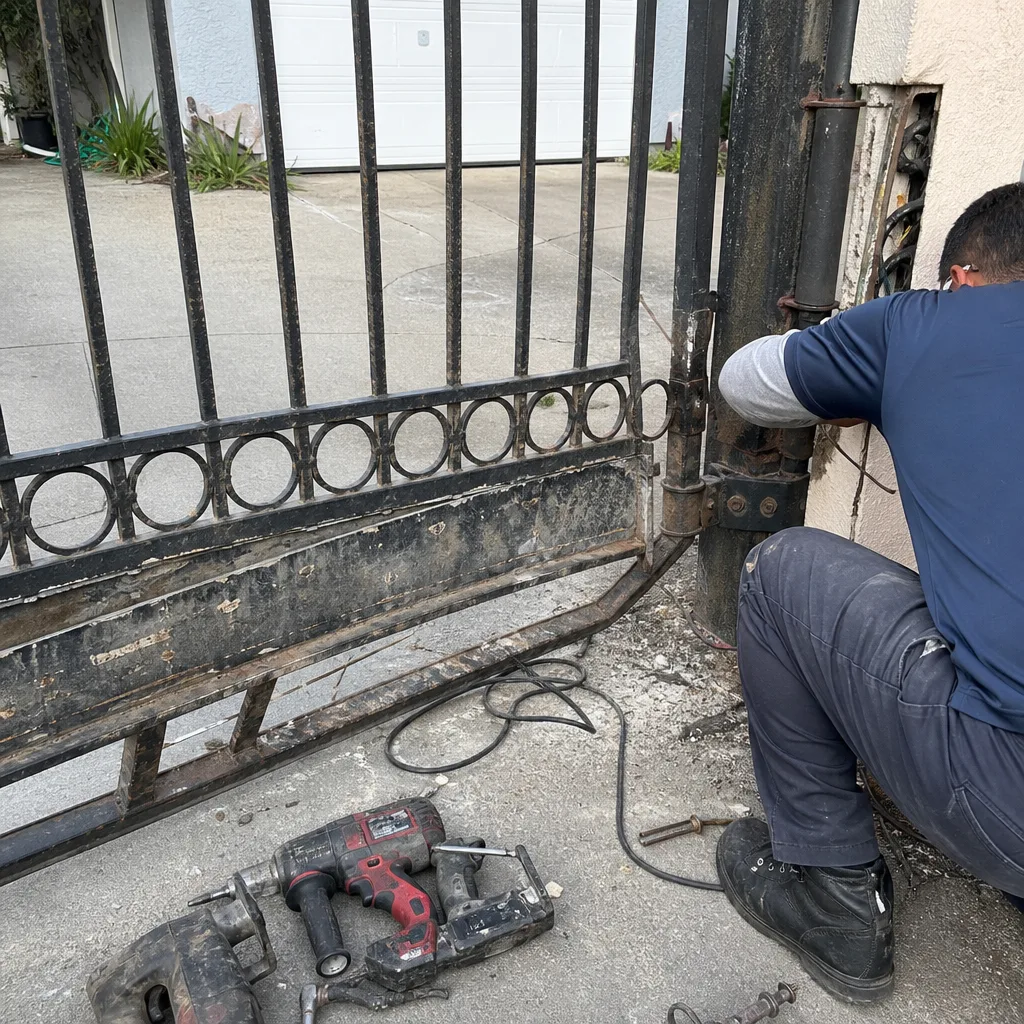 Before
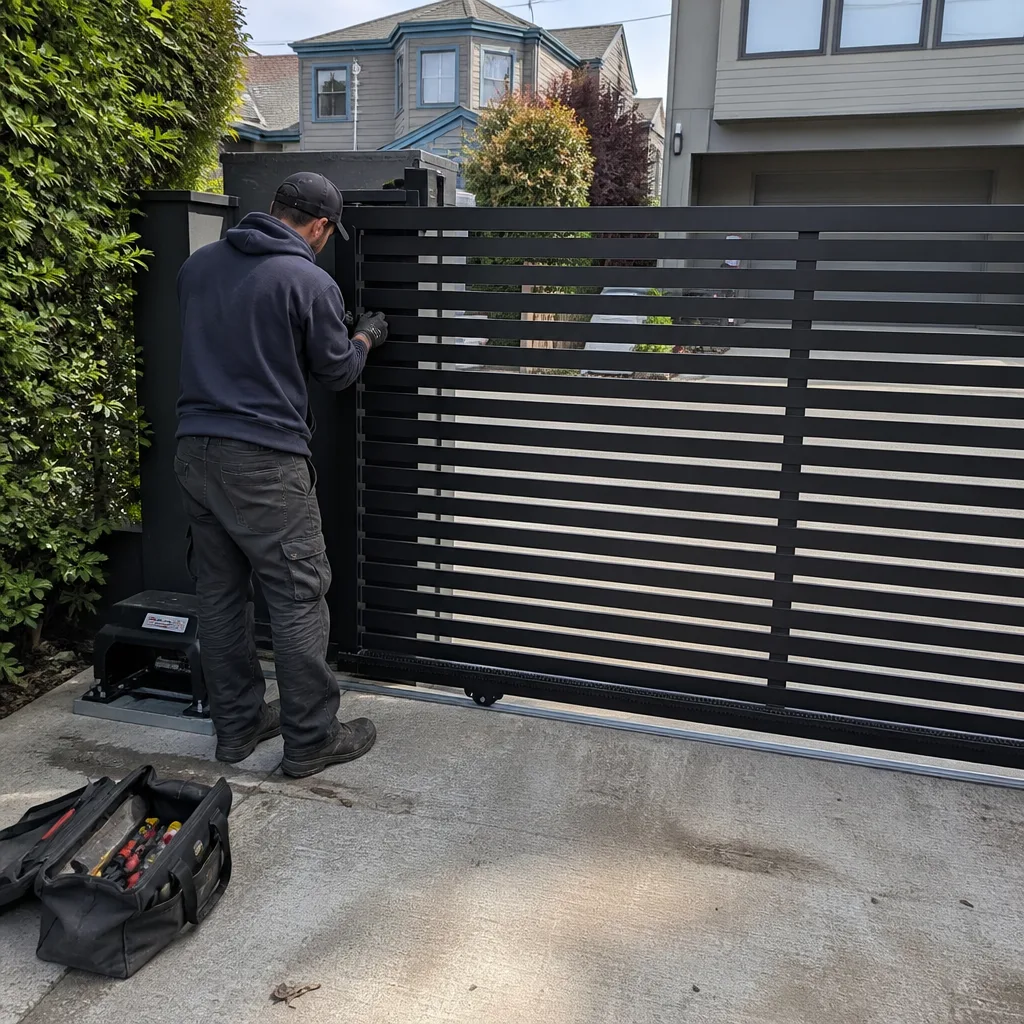 After
AfterReplacement Cost & What’s Included
For San Francisco FAAC systems, here’s the honest price picture. A basic replacement keypad, installed and programmed, typically lands between $260 and $420. If you need a new intercom handset at the same time, the total usually runs $480 to $680. Where a job falls in those ranges depends on the FAAC series, whether the old wiring can be reused, and how much programming the system requires.
Here’s the line-item breakdown so you can see what you’re paying for:
- Diagnostic visit: $89. This covers the testing and the written quote. If you approve the repair, the diagnostic fee is applied toward the total job, not stacked on top.
- FAAC-compatible keypad: $120 to $280 depending on model and whether we’re using OEM or an equivalent.
- Intercom handset: $150 to $300 for a replacement handset compatible with your FAAC system.
- Labor and programming: $140 to $310 for the swap, wiring check, and programming so the keypad actually talks to your board.
Every job gets a written price before we touch a wire, and that price doesn’t change unless we find something genuinely hidden inside the wall that neither of us could have known about. The 365-Day Done Right Promise stands behind the work: if something isn’t right, Latch & Post makes it right. No argument, no fine print. Cody Beckman put that promise in writing because he’s seen too many gate companies vanish after the check clears.
DIY or Call Us?
There’s a safe middle path here. You can check your keypad’s power and wiring connections at the unit itself: confirm the keypad lights up, check for visible corrosion on the terminals, and make sure no wire has pulled loose from a screw terminal. Those are safe checks with the system powered off at the breaker. If you find a loose wire, tighten it and retest. That fixes maybe one in ten jobs we see.
What we’d urge you not to DIY: opening the FAAC control board enclosure and probing terminals with a multimeter, especially while the system is live. These boards are low-voltage, but a short across the wrong two terminals can take out the whole board and turn a $300 repair into a $900 operator replacement. Programming a new FAAC keypad to an existing board also requires knowing the board’s DIP switch and menu settings, and getting that wrong can lock you out of your own gate entirely. At that point, the call to (628) 227-2771 is the cheapest decision you’ll make all week.
FAQs
In a fog-exposed San Francisco neighborhood like the Sunset or the Richmond, expect 5 to 8 years from a FAAC keypad before moisture leads to key failure or internal corrosion. On more sheltered lots in Noe Valley or Glen Park, we’ve seen them last 10 to 12 years. The clock starts ticking on the day the unit is installed, and wet winters shave years off that number. If yours is past year 7 and starting to act up, a replacement now is often cheaper than the service calls you’d otherwise be chasing. Call (628) 227-2771 for an honest assessment, and we’ll tell you if it’s repairable.
Sometimes, yes. We can replace individual carbon pads and worn key membranes on certain FAAC models, and we can re-seat or replace corroded terminal connections. What we won’t do is open a sealed keypad and attempt board-level micro-soldering, because the failure tends to come back. If the keypad is under 3 years old and the failure is a simple mechanical contact issue, repair makes sense. Over 5 years old with corrosion from San Francisco’s marine air, we’ll usually recommend replacement. We’ll tell you which camp you’re in before you spend a dime.
A straightforward keypad swap or intercom handset replacement takes about an hour to an hour and a half, including programming the new unit to your board and testing the full entry sequence. If we find wiring damage or need to add a decoder module for an older FAAC board, the job might stretch to two hours. We’ll tell you exactly what the time frame looks like as part of the written quote before we start. Most San Francisco jobs are done in a single visit, so you’ll have a working gate the same day.
Yes, our service trucks carry FAAC-compatible keypads, intercom handsets, decoder modules, and wiring components for the models most common in San Francisco. We also stock parts for LiftMaster, Mighty Mule, and Ghost Controls systems, which helps when a home has mixed-brand equipment. If you’ve got an uncommon FAAC series, we can typically source the part within a few business days. The fastest way to find out is to call (628) 227-2771 with your model number, and we’ll confirm what we have before we roll a truck.
Written by Cody Beckman, Owner, Latch and Post Gate Repair San Francisco at Latch and Post Gate Repair San Francisco, serving San Francisco and nearby areas.