
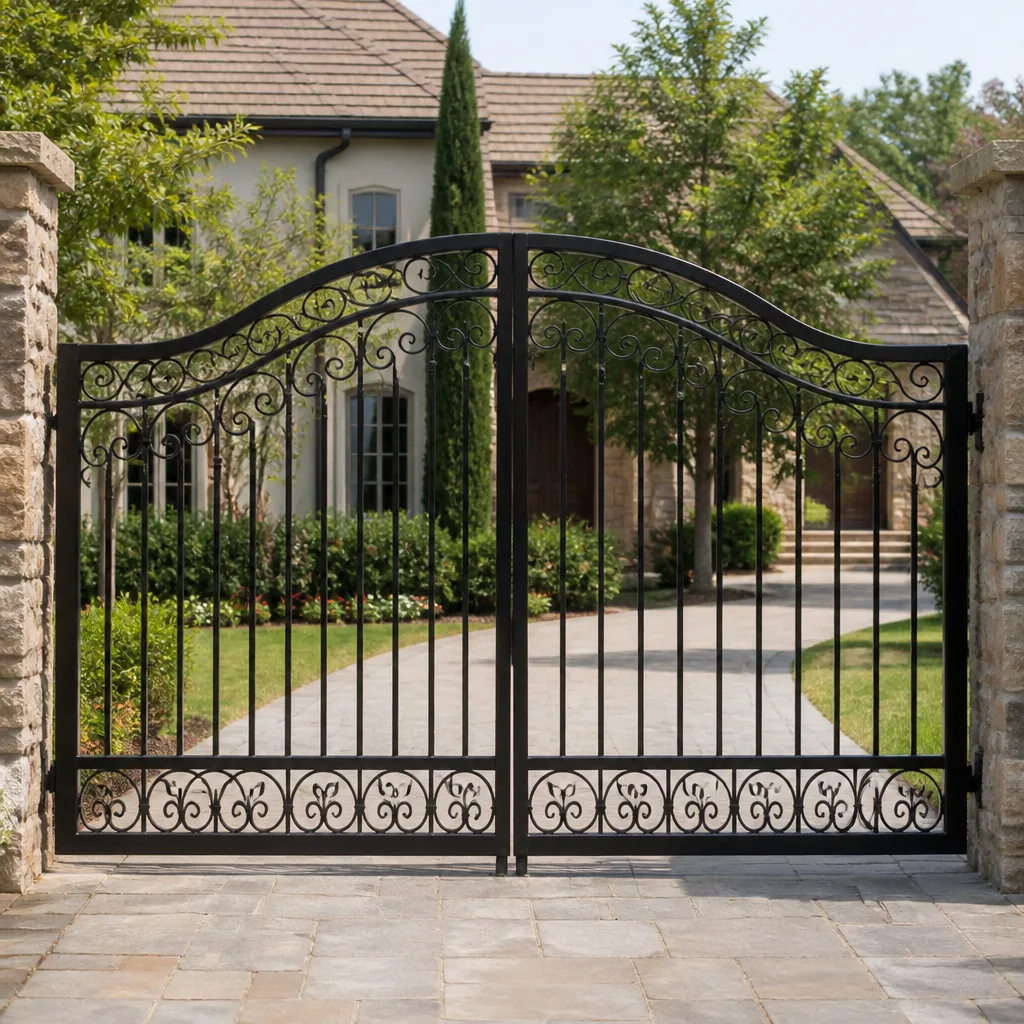
 Wrought iron
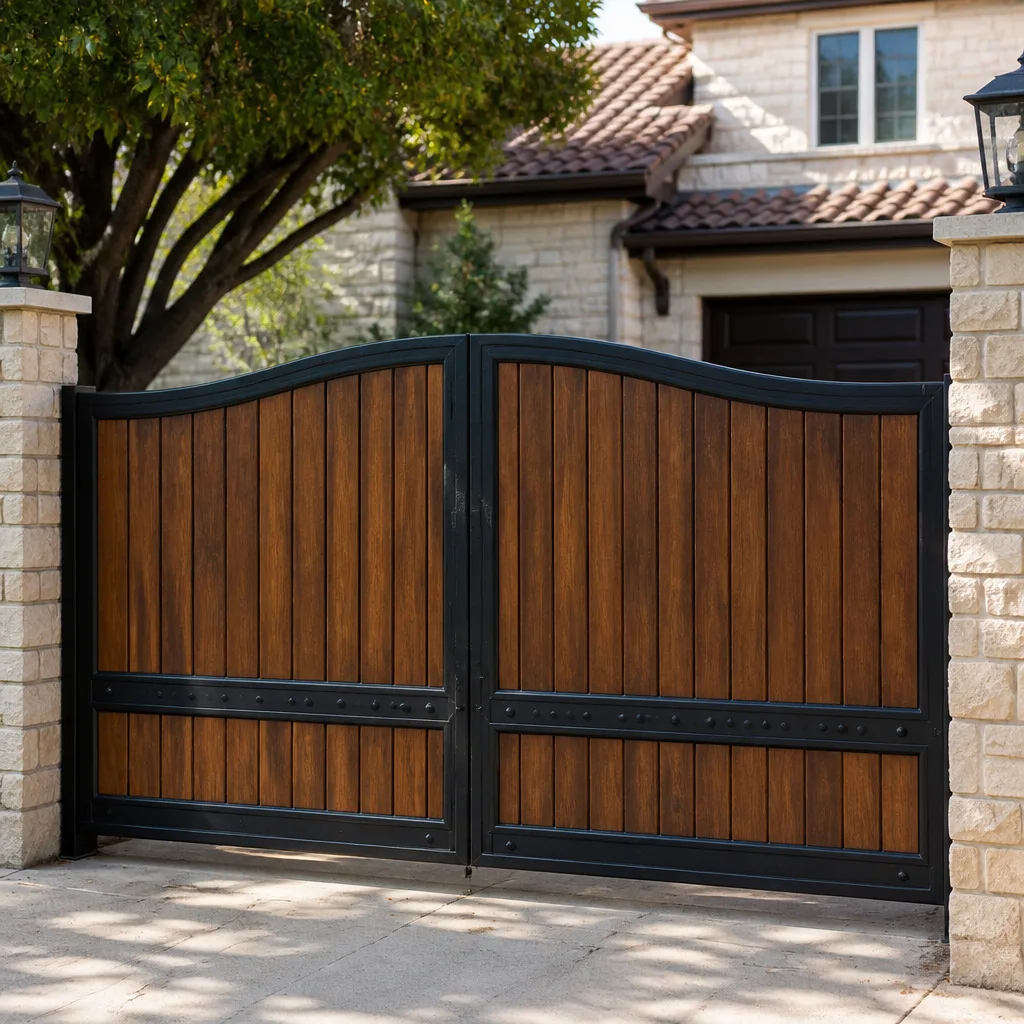 Wood & steel frame
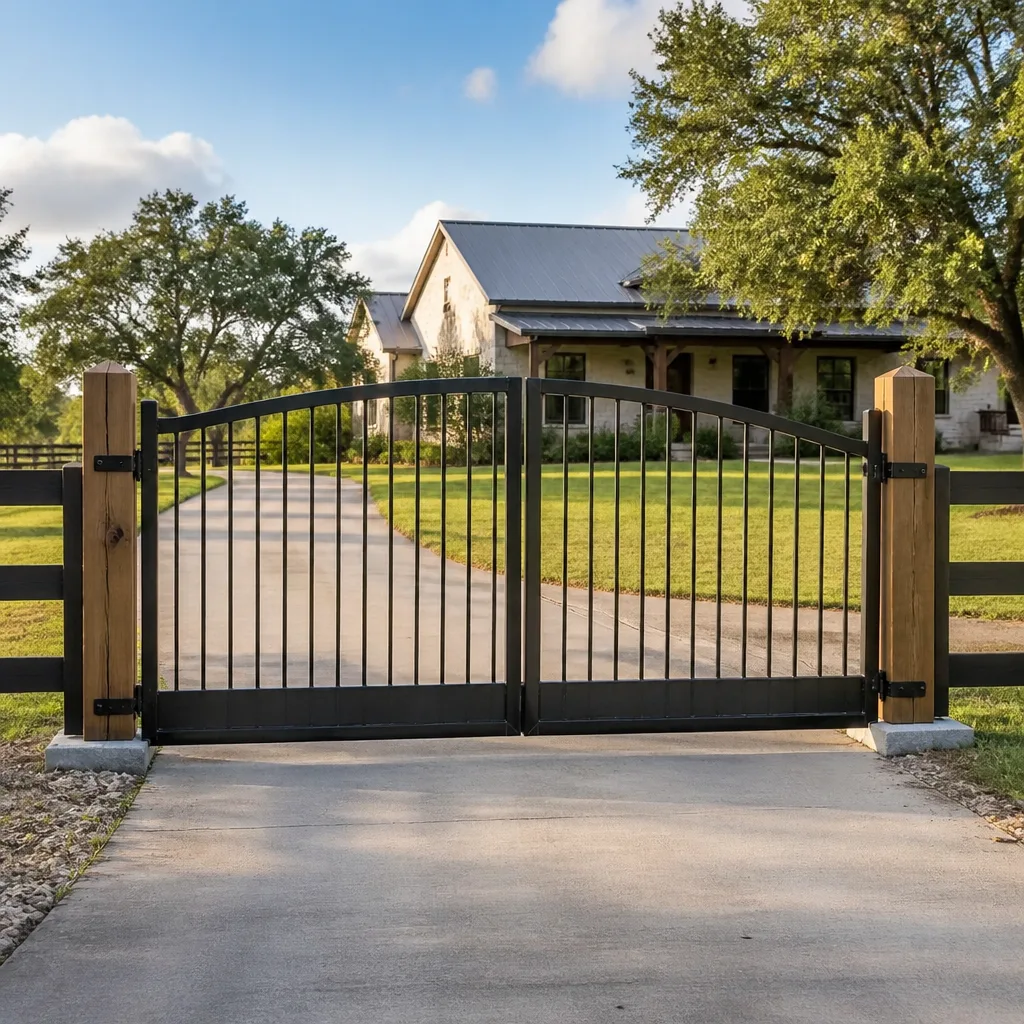 Farm & ranch
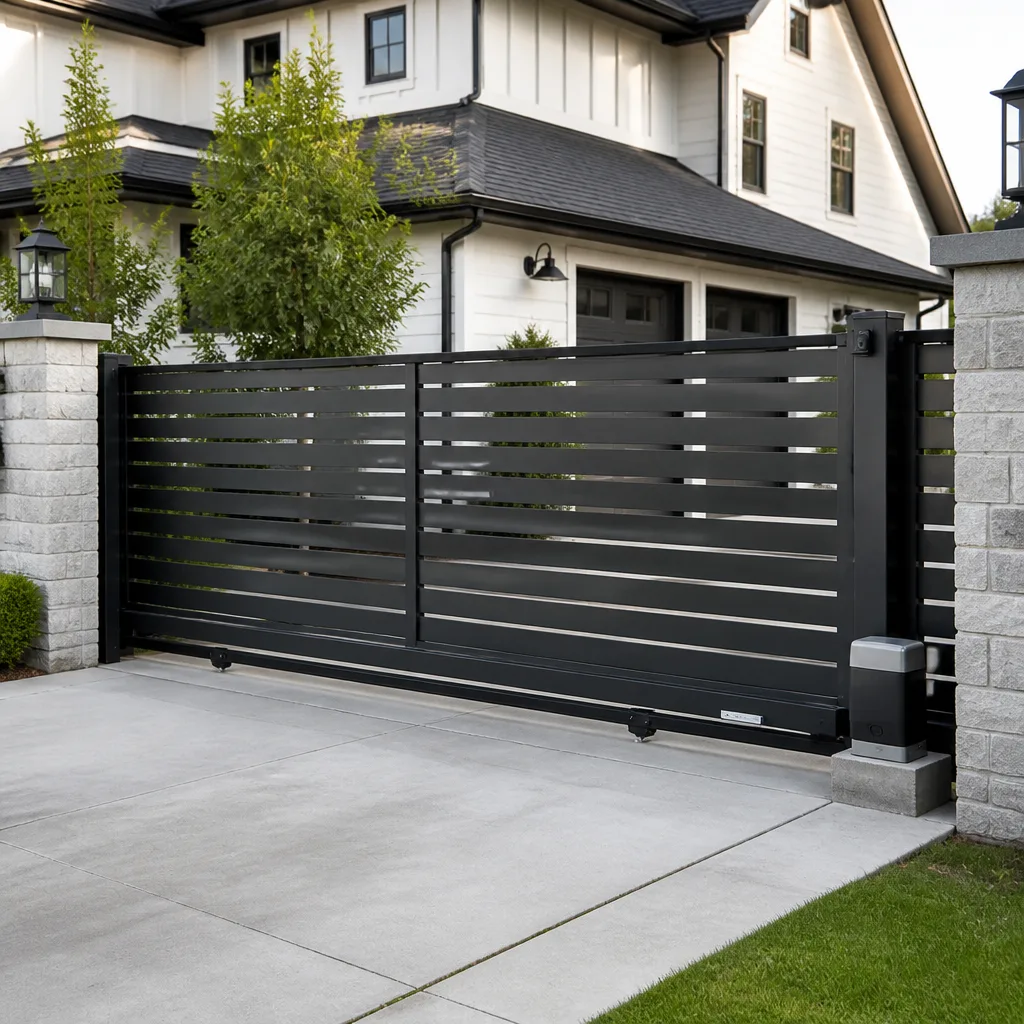 Sliding driveway gates
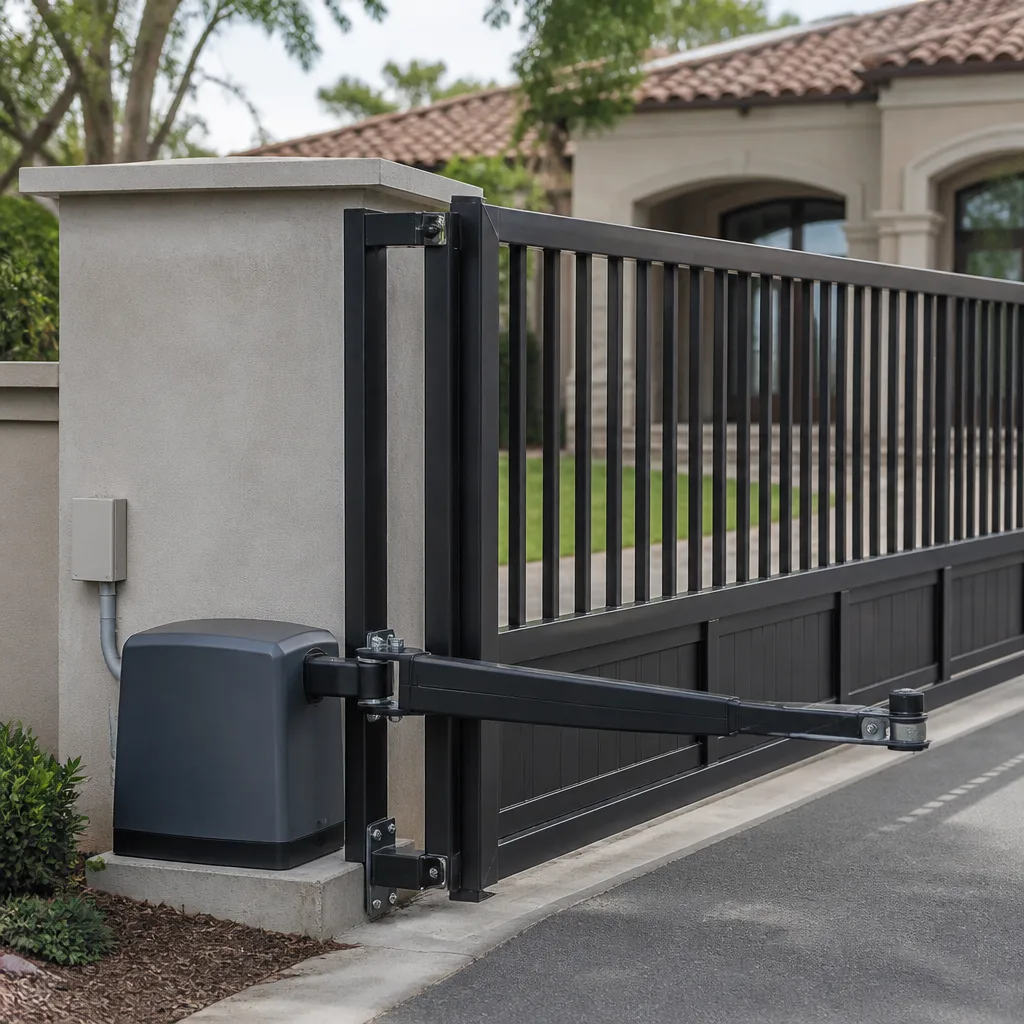 LiftMaster operators
Free on-site gate assessment - hinges, posts, and your LiftMaster or Nice gate operator checked before anything is quoted
The assessment is free and the quote is the invoice.
Get your free estimateDoorKing Access Control Installation: The San Francisco Owner’s Guide
We stock and install DoorKing access control systems throughout San Francisco, and a complete keypad-telephone entry-installation with new wiring and programming typically runs $850 to $1,900 depending on your existing conduit, the number of entry points, and whether we’re replacing an old DoorKing unit or adding access control to a gate that’s never had it. Most San Francisco owners discover the problem the same way: the keypad still beeps, but the gate doesn’t move, or the call box rings a phone that no one answers anymore. Sometimes it’s the board, sometimes it’s the power supply, and sometimes it’s a corroded wire connection that’s been quietly failing for two fog seasons. Cody Beckman has been tracing these exact failures across Bay Area gates for the better part of two decades, and we’ll walk you through what you’re likely dealing with and what it costs to make it right.
Which DoorKing Models This Applies To
DoorKing builds access control into several product lines, and the failure pattern depends on which one you own. The 1812 Classic telephone entry system and the 1830 series multi-tenant panels are the most common units we service on San Francisco apartment gates and shared driveways. We also see plenty of 1510 and 1515 stand-alone keypads, plus the 6050 and 6100 slide gate operators with integrated access boards. Here’s what matters: DoorKing changed the board connectors and power input specs between older revisions and current production, so a used board from Craigslist will not always talk to a newer keypad. When we arrive, we read the model and serial label on the side of the housing before we quote anything, because even within the 1812 family, an early 2000s board and a 2018 board are wired differently.
On the OEM-versus-aftermarket question: we prefer genuine DoorKing boards and keypads for anything that controls vehicle access, simply because the aftermarket boards we’ve tested don’t hold programming reliably through San Francisco’s wet winters. For non-critical parts like power transformers and surge protectors, a quality aftermarket equivalent is fine and saves real money. We’ll tell you which is which on the quote, and we’ll show you the price difference before you decide.
Styles & brands we work with
Signs Your DoorKing Access Control Installation Is Failing
- Keypad beeps but the gate does nothing. The keypad’s processor is alive, but the relay that actually tells the gate operator to open has either burned out or the wiring between the keypad and the operator has corroded. In San Francisco’s damp air, we see this on gates within three blocks of the ocean far more often than up in the Mission.
- The call box rings a phone number you haven’t used in five years. The programming memory has reset or partially corrupted. DoorKing boards hold their settings in onboard memory, and a power surge or a dying backup battery can wipe a directory. We reprogram the tenant list and test every line before we leave.
- The gate opens fine from the remote but not from the keypad. This isolates the failure to the access control side, not the operator. The receiver is fine; the issue is almost always in the keypad’s output relay or the wire run to the operator’s open input.
- The display is dim, scrambled, or shows characters that don’t look like letters anymore. The board’s display driver or the incoming DC voltage is failing. Low voltage from a degraded transformer produces exactly this symptom, and it’s often misdiagnosed as a dead board when the real fix is a $40 power supply swap.
- The system works during the day but not at night, or vice versa. Temperature swing is the tell. A solder joint that expands in afternoon sun or a connector that loses grip in late-night fog will produce intermittent access failures. We’ve fixed several Noe Valley slide gates where the access control only failed between 2 a.m. and sunrise, which is exactly when the homeowner wants it working.
Replacement Cost & What’s Included
In San Francisco, a single-family DoorKing keypad replacement with a new genuine board, relay, and wiring check runs $650 to $1,100 installed. A full telephone entry system for a multi-tenant building with directory reprogramming runs $1,200 to $1,900 depending on how many units we’re programming and whether the existing conduit needs repair. The spread comes down to the board revision we’re replacing and the condition of the field wiring. If the wire from the keypad to the operator is intact and dry, we’re done in two hours. If it’s fifty-year-old direct-burial wire that’s been wicking moisture, we’ll need to run a new low-voltage line, and that’s where the higher end of the range comes from.
Every quote includes the part, the labor, the programming, and cleanup. You’ll see the full number in writing before any work starts, and that number is what you pay. Our 365-Day Done Right Promise covers the board and the installation: if it acts up within a year, we come back and make it right without an argument or a second invoice.
See the difference
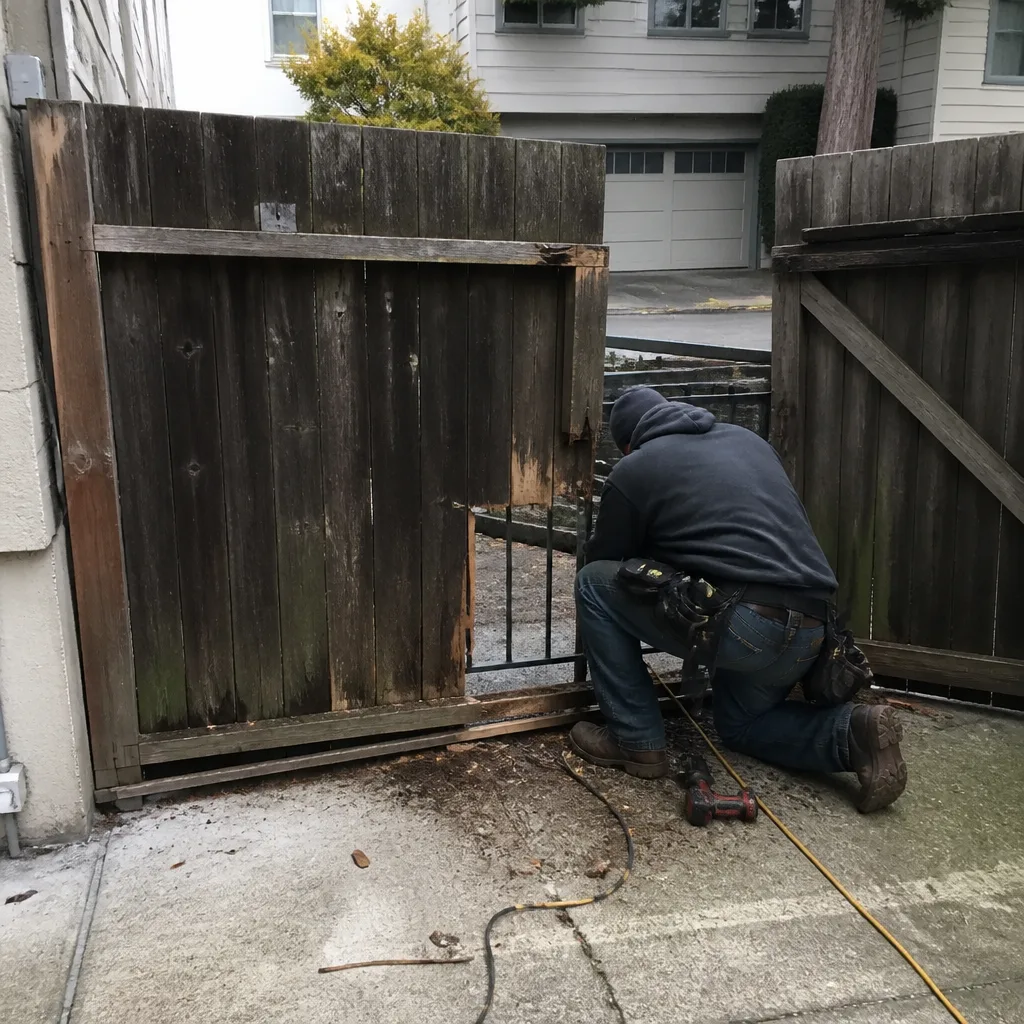 Before
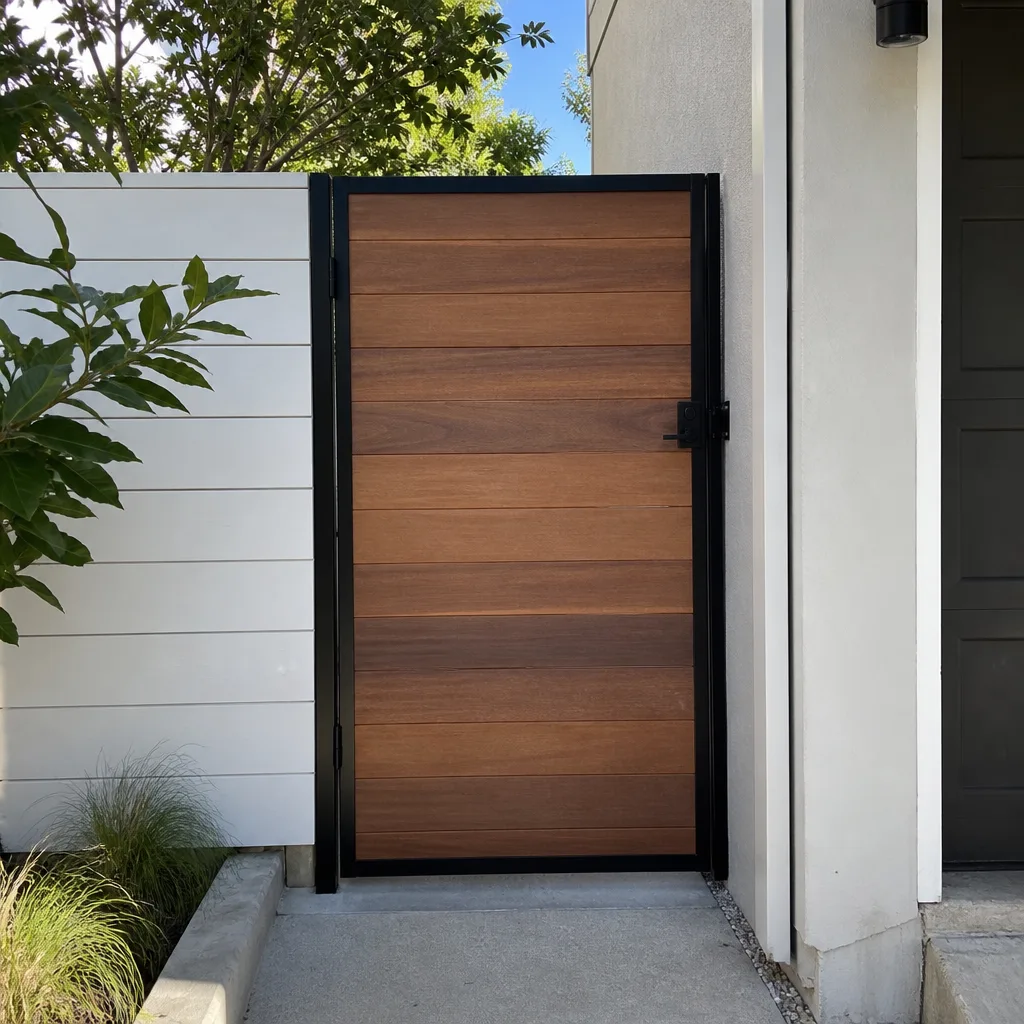 After
After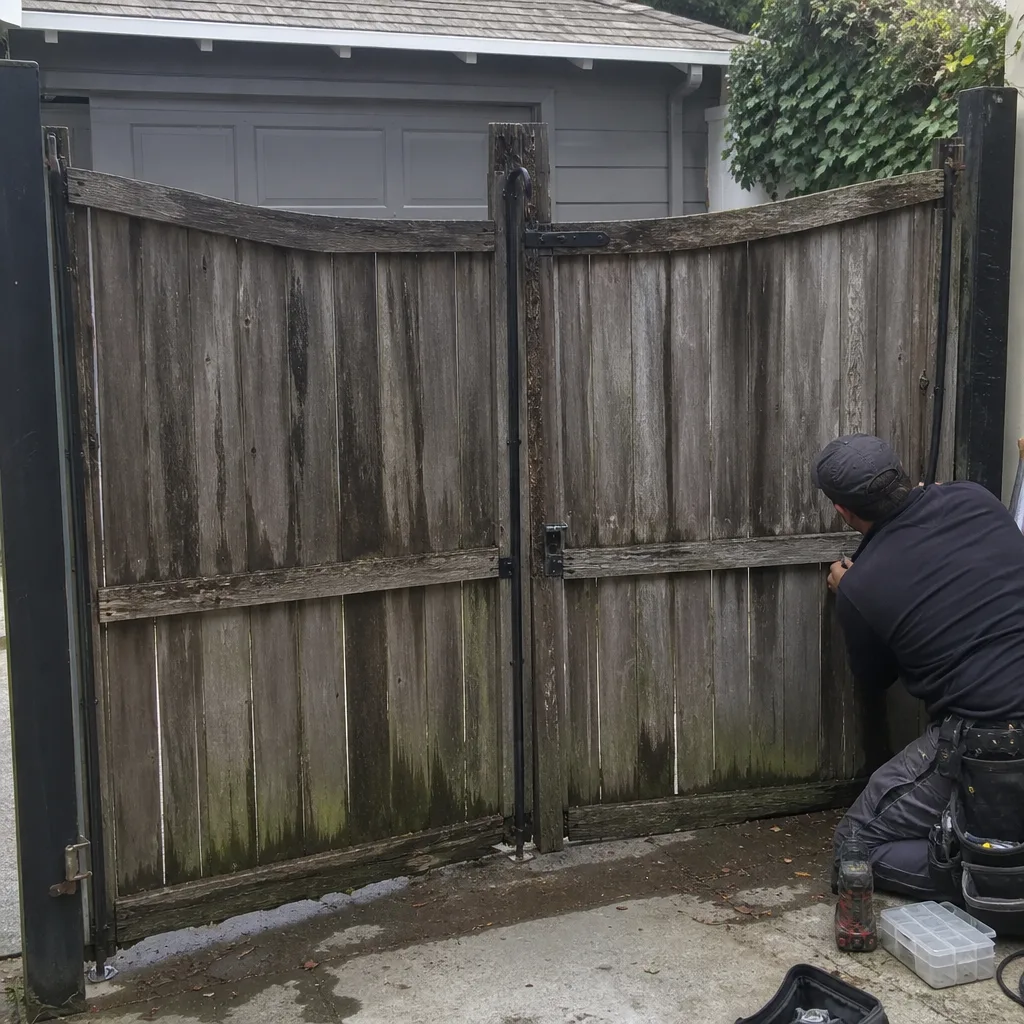 Before
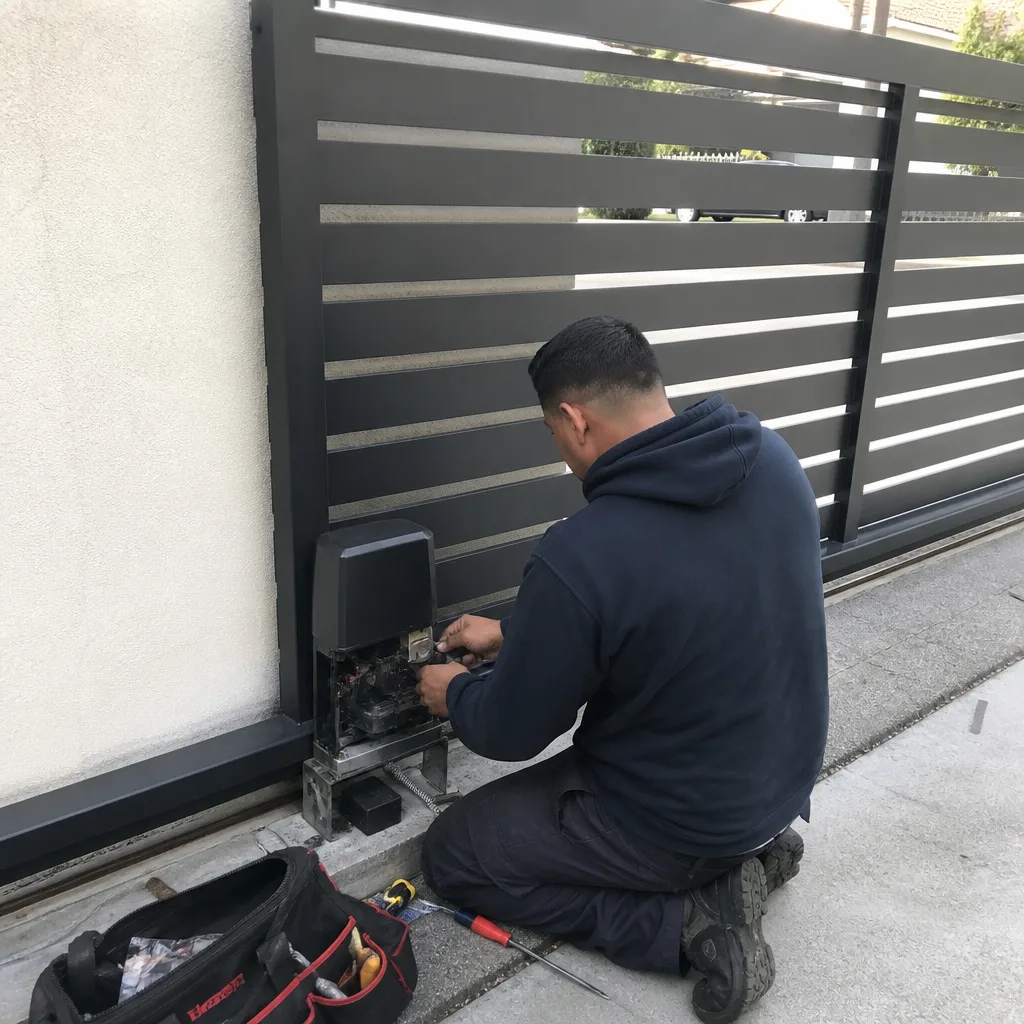 After
After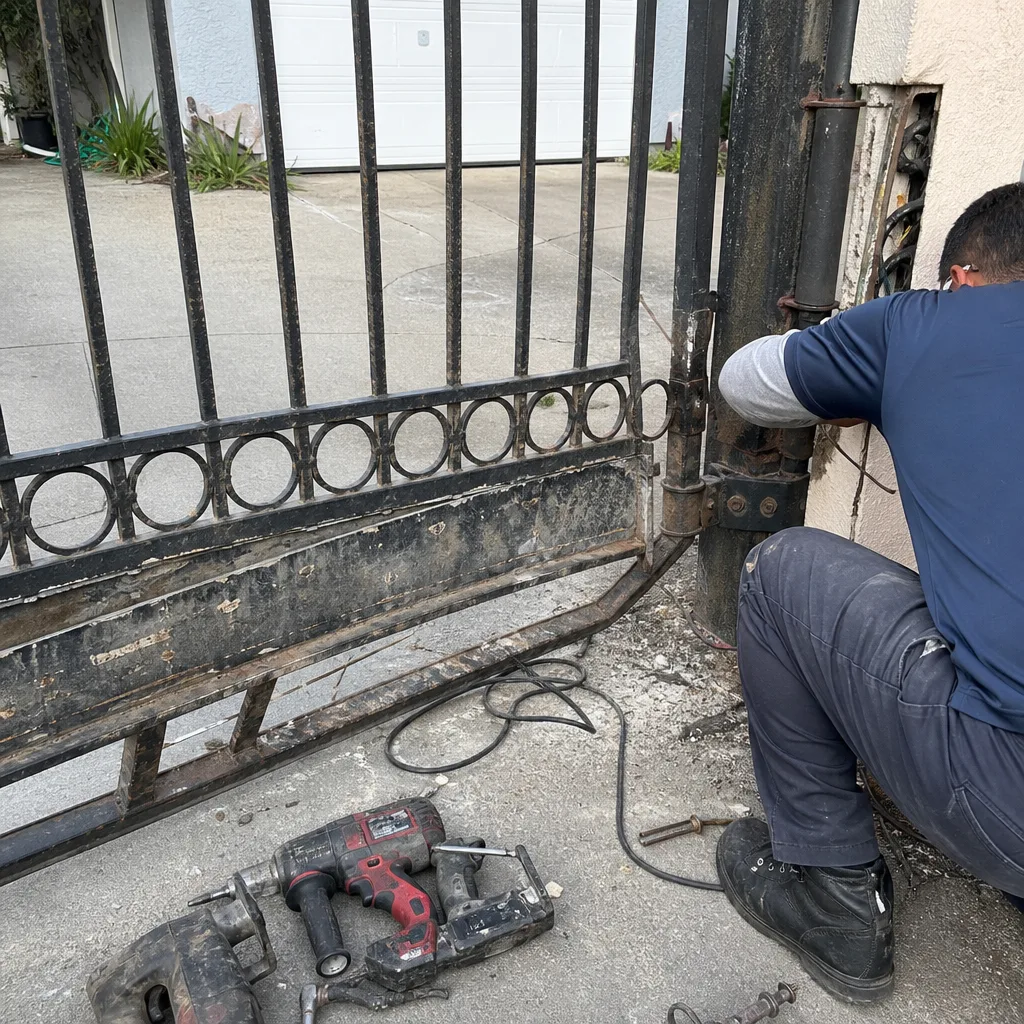 Before
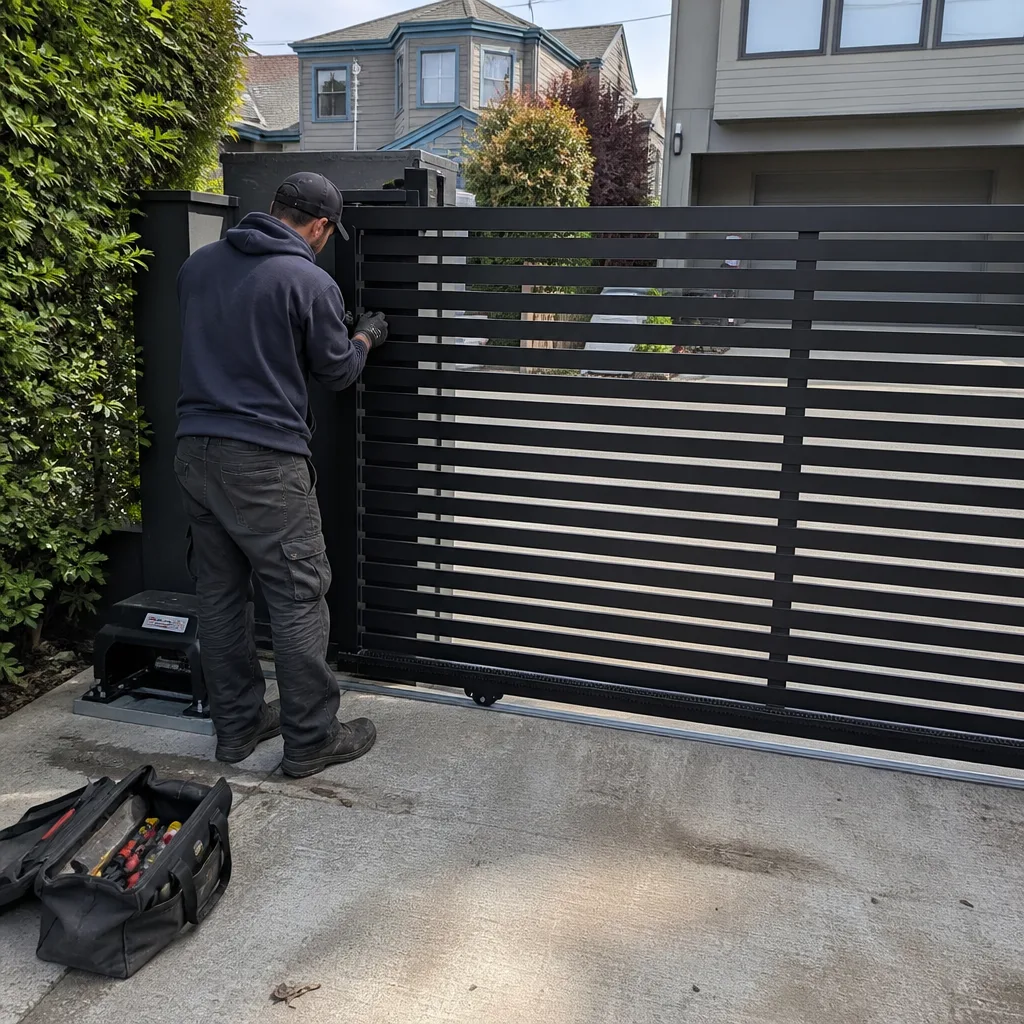 After
AfterDIY or Call Us?
Access control wiring is low-voltage, so you’re not facing the same shock hazard as a line-voltage panel. But here’s the honest split from someone who has cleaned up after DIY attempts: you can safely check whether your breaker is on, whether the keypad has visible corrosion, and whether any wires have pulled loose from their screw terminals. That’s about it. The parts that send San Francisco owners looking for help are the board-level diagnostics, the relay tests, and the programming sequences. DoorKing programming is not intuitive; the code-entry sequences are documented but buried in manuals that assume you already know the system’s default installer PIN. One wrong setting can lock out every tenant in the building, which turns a $700 repair into a stressful Sunday for you and your neighbors.
Also worth knowing: DoorKing boards are static-sensitive. Working on one without a grounded mat and a discharge strap can kill a board instantly. If you’re even slightly unsure, call (628) 227-2771 and describe what you’re seeing. We’ll give you a straight read on whether it’s worth a service visit.
FAQs
A genuine DoorKing board in a properly sealed enclosure typically lasts 8 to 12 years in San Francisco’s climate, though fog-exposed installations near the Richmond and Sunset can shorten that by two or three years if condensation gets into the housing. We see the most failures in units mounted on west-facing walls without a weather hood, so we always check the enclosure seal when we install.
Sometimes yes, sometimes no, and we’ll tell you which before we quote anything. Corroded terminals and failed relays are repairable; a burned processor or a delaminated circuit board is not worth the bench time. If we can repair it, we’ll say so and save you the cost of a new board. Call (628) 227-2771 for an honest read on your specific unit.
A single-family keypad swap with programming takes about two hours from arrival to cleanup photo. A full multi-tenant telephone entry system with directory reprogramming takes half a day. We’ll give you the time estimate in writing along with the price, and we schedule around any quiet-hours needs your household has.
We stock genuine DoorKing boards, keypads, relays, and power supplies on our trucks for the most common 1812 and 1830 series units, along with parts for LiftMaster, Mighty Mule, and Ghost Controls systems. If your unit needs a less common board revision, we’ll have it in hand within a few days and we’ll keep you updated on the timeline.
Get Your DoorKing System Working Again
If your keypad is dead, your directory is scrambled, or your gate has started ignoring the access control entirely, call (628) 227-2771. A live person answers, day or night, and we’ll talk through what you’re seeing before anyone schedules a truck. We’ll show up with shoe covers, lay down drop cloths if we need to work inside, and hand you a written price before we touch a single wire. We’ll also send you a photo of the cleaned-up work area before we leave, because a gate that opens quietly and closes all the way is one of those things you stop noticing – and that’s exactly the point.
Written by Cody Beckman, Owner, Latch and Post Gate Repair San Francisco at Latch and Post Gate Repair San Francisco, serving San Francisco and nearby areas.