
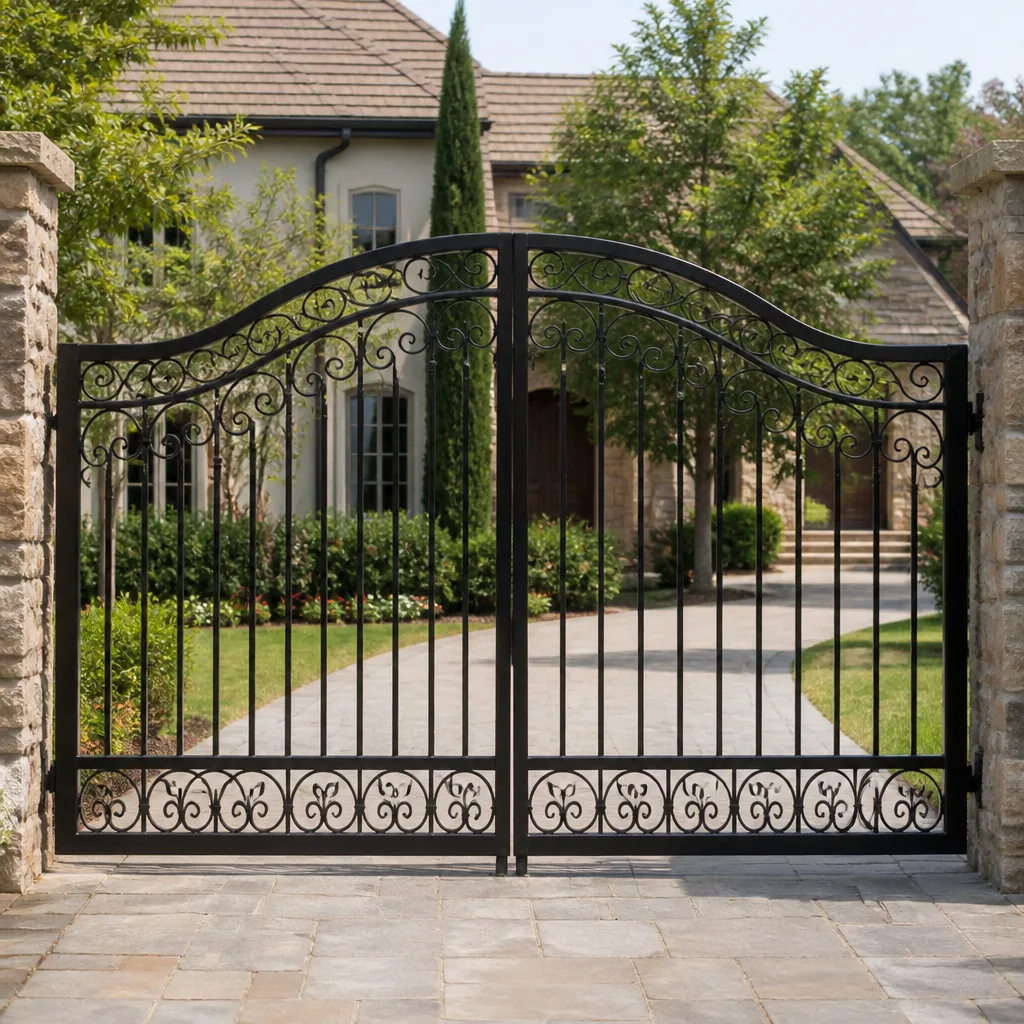
 Wrought iron
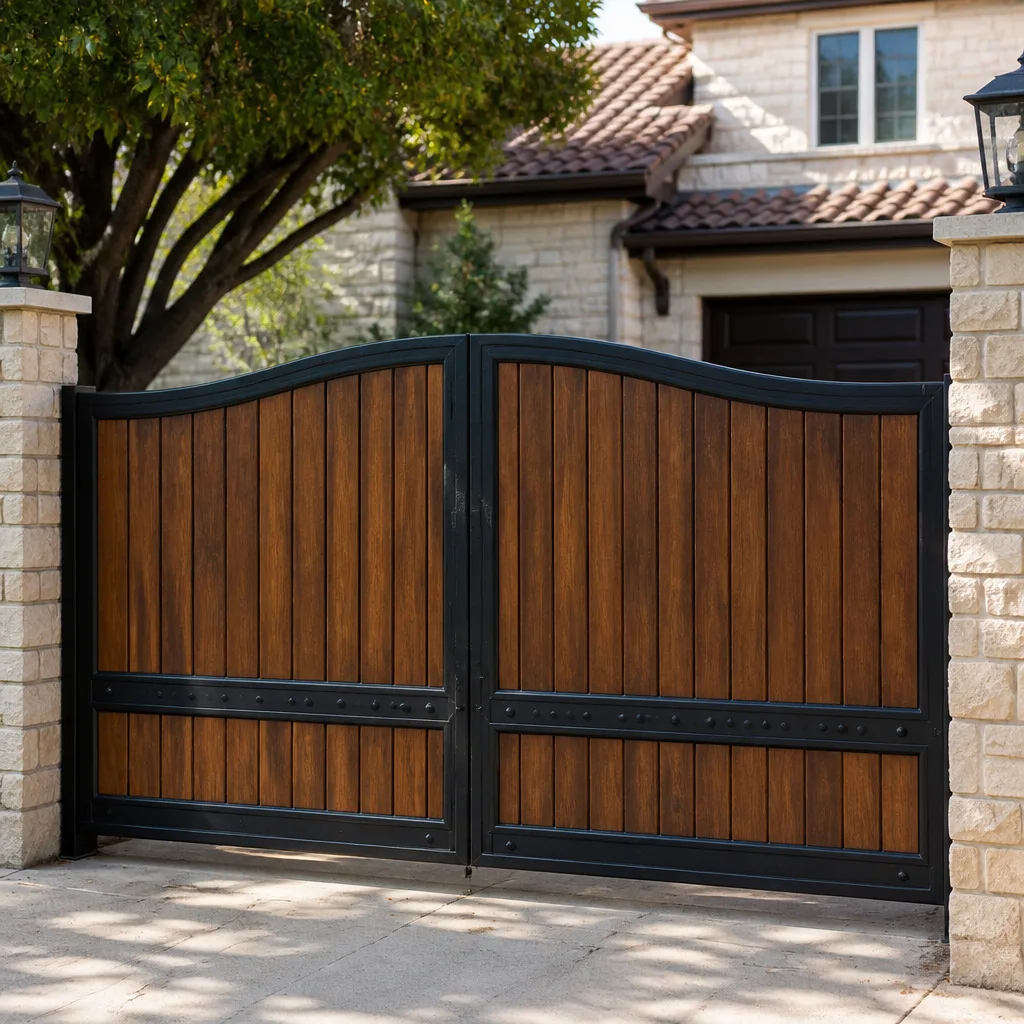 Wood & steel frame
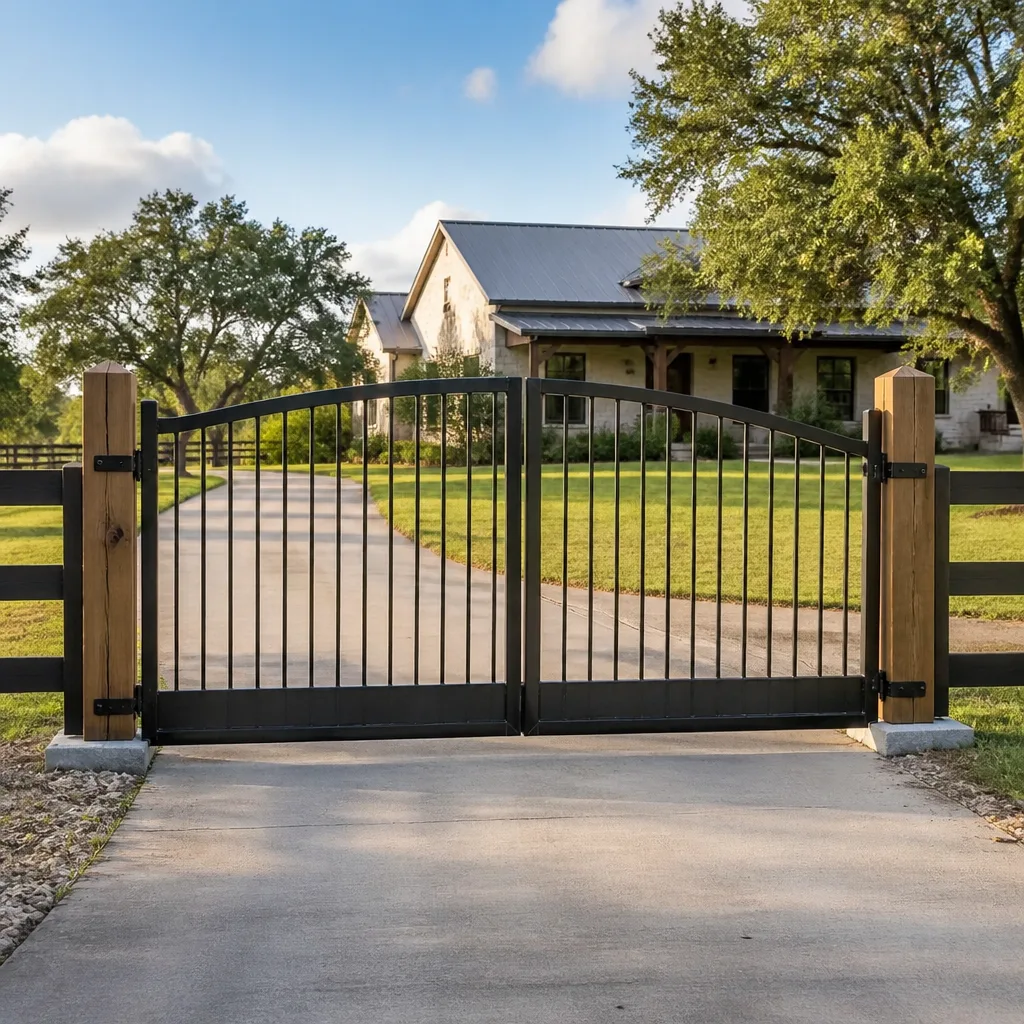 Farm & ranch
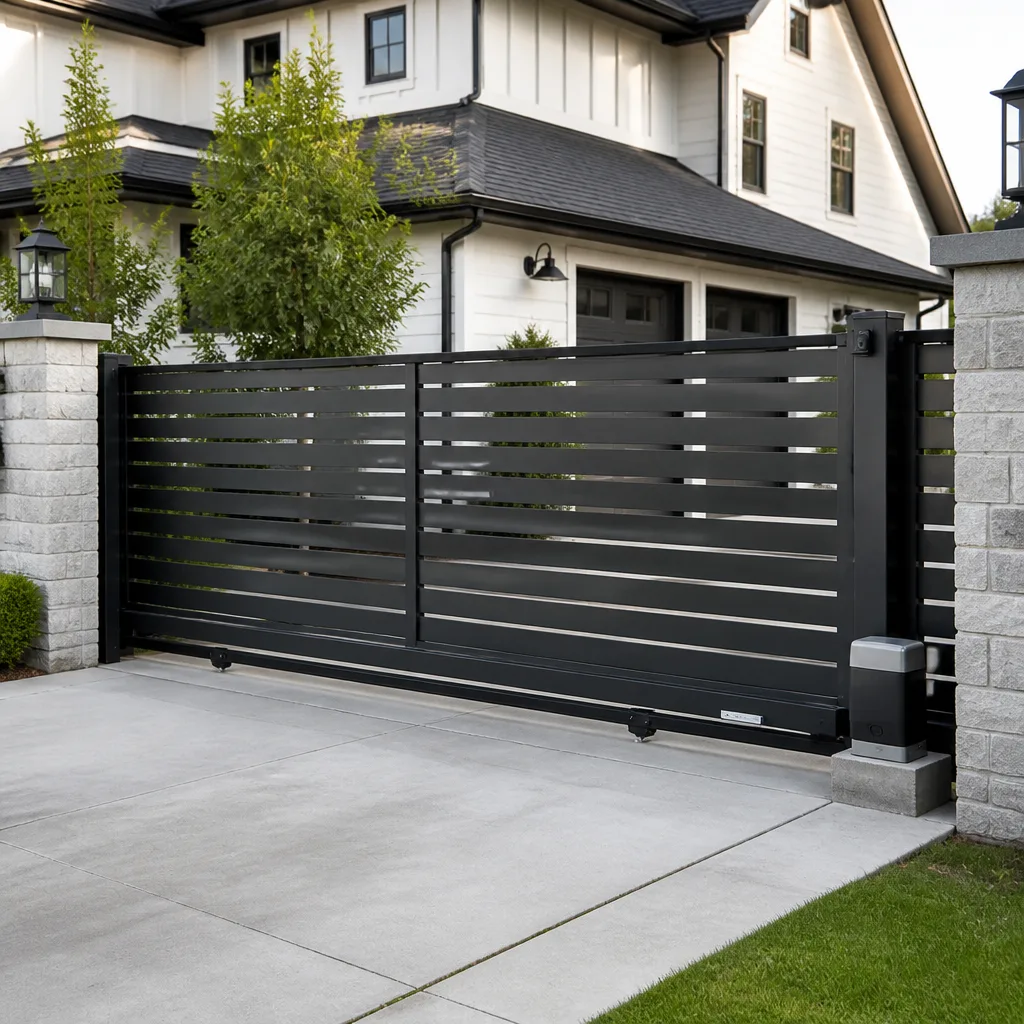 Sliding driveway gates
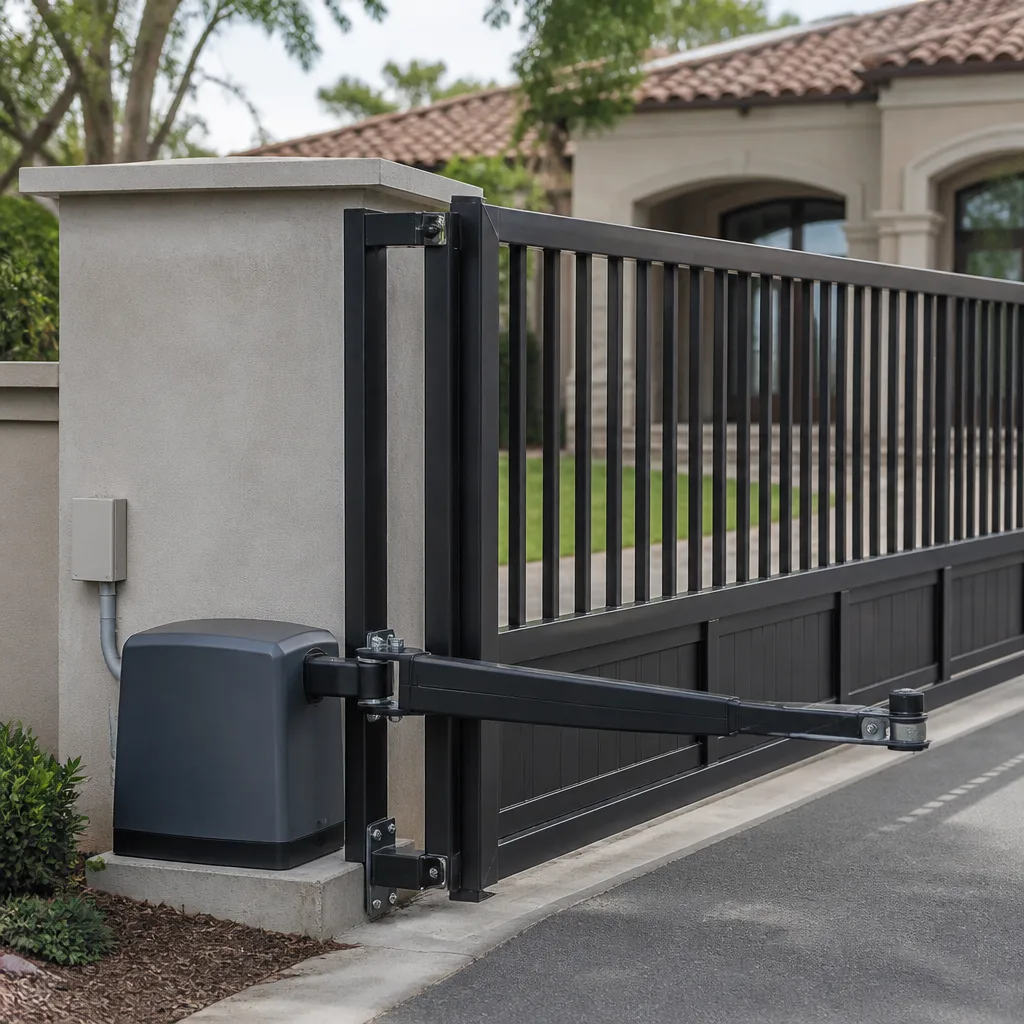 LiftMaster operators
Free on-site gate assessment - hinges, posts, and your LiftMaster or Nice gate operator checked before anything is quoted
The assessment is free and the quote is the invoice.
Get your free estimateFAAC Gate Installation in San Francisco: What to Know First
We install, service, and repair FAAC gate systems throughout San Francisco, from new slide gate operator installs on steep Noe Valley driveways to full swing gate automation in the Richmond and Sunset districts. As an independent FAAC service provider, we’re not tied to a manufacturer script – we tell you honestly whether a repair makes sense or a replacement is the smarter long-term call. Most FAAC installations take one to two days on site, and you’ll have a written price in hand before we order a single part.
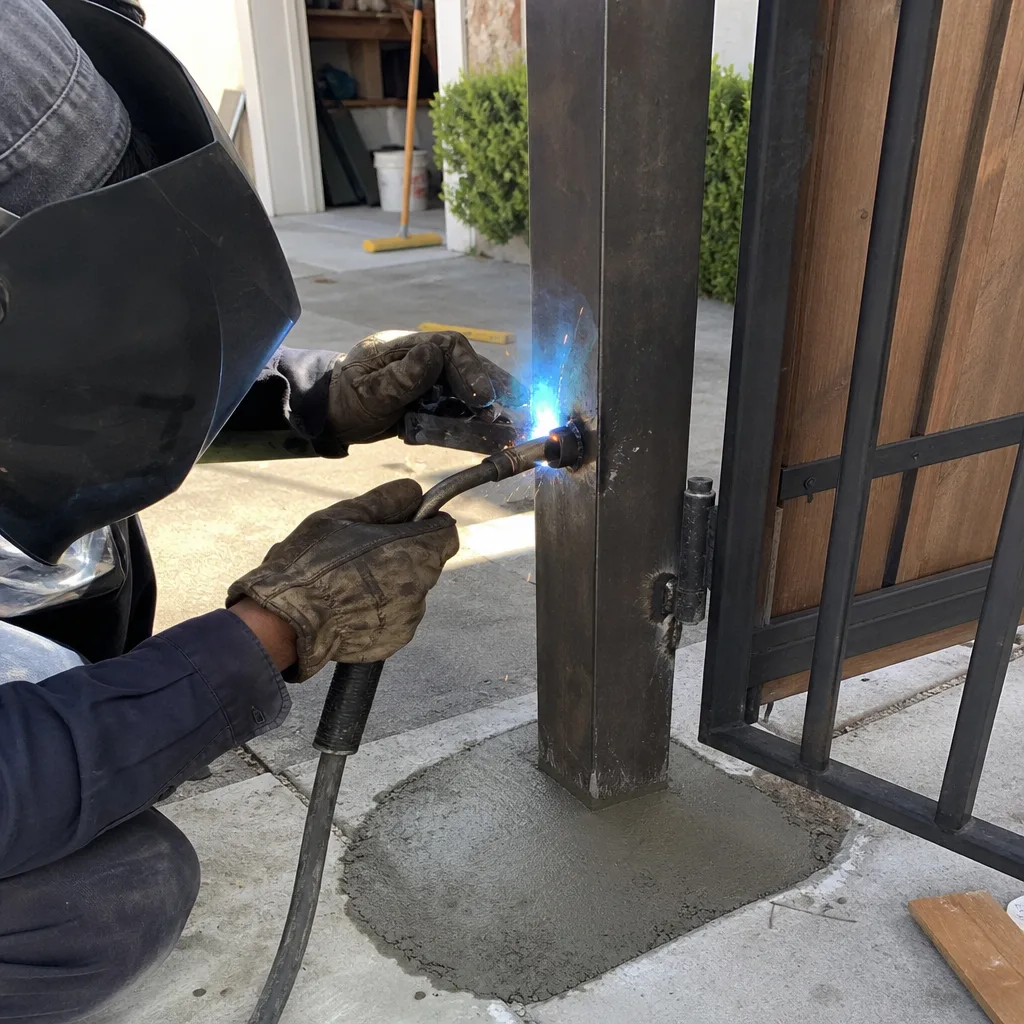
If you own a FAAC gate that needs work, or you’re considering a FAAC system for a new gate, this page covers what actually goes wrong with these operators in San Francisco, what installation costs, and how we approach the job differently. Call (628) 227-2771 any time – a live person answers, day or night.
How FAAC Products Fail – and How We Fix Them
- Hydraulic pump seal leaks on FAAC 400 and 402 operators. The 400-series hydraulic swing gate operators are the most common FAAC units we see in San Francisco, and after enough fog cycles and temperature swings, the pump seals start weeping fluid. Owners notice a slow swing speed first, then a faint oil sheen under the operator. Replacing the seal kit usually costs less than a new operator by a wide margin, and we quote the repair versus replacement numbers side by side so you can decide.
- Limit switch drift on FAAC E145 and E024S slide gate models. San Francisco’s hills mean many FAAC slide gates work against gravity all day, every day. The limit switches on E-Series boards drift over time, so the gate stops two inches short of full close or over-travels and slams the end stop. We re-set limits, check the torque calibration, and if the switches are done, we replace them with factory-spec parts rather than adjusting around the problem.
- Photocell misalignment from fog and moisture. FAAC safety photocells are reliable in dry climates, but San Francisco’s marine layer gets inside poorly sealed housing gaskets. The symptom is a gate that reverses for no apparent reason or refuses to close in the early morning. We replace gaskets, re-aim the beam, and in the worst cases swap in weather-sealed enclosures rated for exposed coastal conditions. This is a San Francisco-specific failure we see far more than FAAC’s own documentation suggests.
- Battery backup failure on newer FAAC S450H Swing operators. The S450H is popular in San Francisco because it handles heavy custom gates with a small footprint. The integrated battery backup is a selling point, but the batteries degrade faster here than their spec sheet predicts, especially when the operator sits in direct afternoon sun on a west-facing wall. When the battery goes, the gate doesn’t open during a power outage, which is exactly when you need it to. We test the battery under load, not just voltage, and replace with AGM units that handle temperature cycling better than the originals.
- Gate leaf sag twisting FAAC hinge-mount geometry. FAAC operators mount to the gate leaf and the post, and they assume a square, level hinge line. In older San Francisco homes with heavy wrought iron gates that have been swinging for 15 or 20 years, the hinges sag and the operator fights a bind on every cycle. The operator isn’t failing – the gate geometry is. We fix the hang first, then remount and calibrate the FAAC unit. Skipping the hang fix is why so many FAAC installs burn through motors prematurely.
Styles & brands we work with
Our FAAC Gate Installation Process
- 1
Call and walkthrough. You call (628) 227-2771, describe the gate and what it’s doing, and we schedule a visit. A live person answers, even at 2 a.m. if that’s when the gate quit.
- 2
On-site assessment. We measure the gate leaf, check the hinge line and post bases, test the existing operator if there is one, and look at the power feed and conduit. We also ask how you use the gate – daily car traffic, kids walking to school through the pedestrian gate, dogs in the yard.
- 3
Written price, before work starts. You get a line-item price for the installation, including parts, labor, and any electrical work. No surprises later. If we see a way to save you money – reusing your existing posts or keeping a working receiver – we tell you.
- 4
Installation day. We lay drop cloths where we walk inside, put on shoe covers, and keep quiet tools running if a baby is napping. The work includes mounting the FAAC operator, setting limits and force, wiring safety edges and photocells, and running power from a dedicated circuit if needed.
- 5
Testing and walkthrough. We cycle the gate through open, close, obstruction reversal, and backup battery if equipped. Then we walk you through what was installed, how to use the manual release, and what normal operation sounds like. Cody Beckman takes the extra ten minutes to explain what caused any problem we found, not just what we fixed.
- 6
Cleanup photo and the 365-Day Done Right Promise. Before we leave, we photograph the work area and send it to you. If anything isn’t right within a year of the install, we come back and make it right. No argument, no fine print.
See the difference
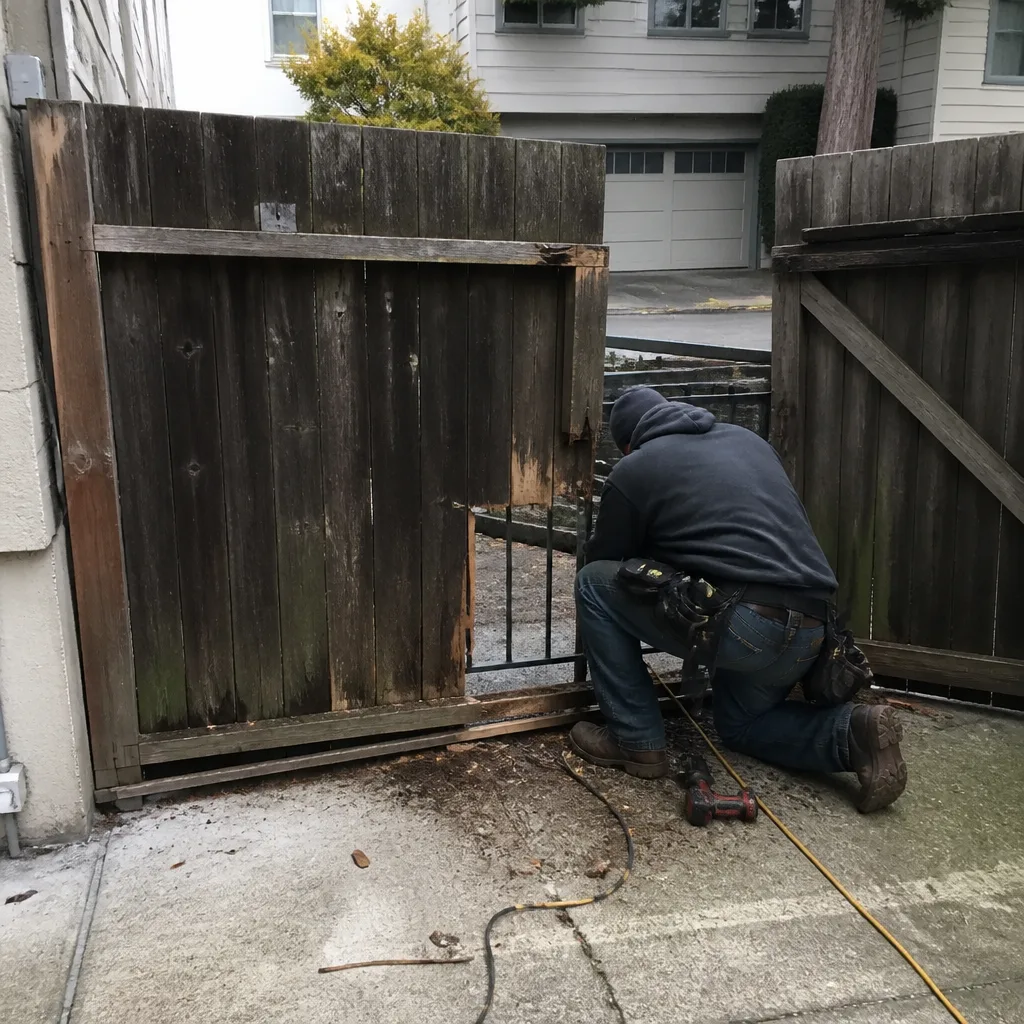 Before
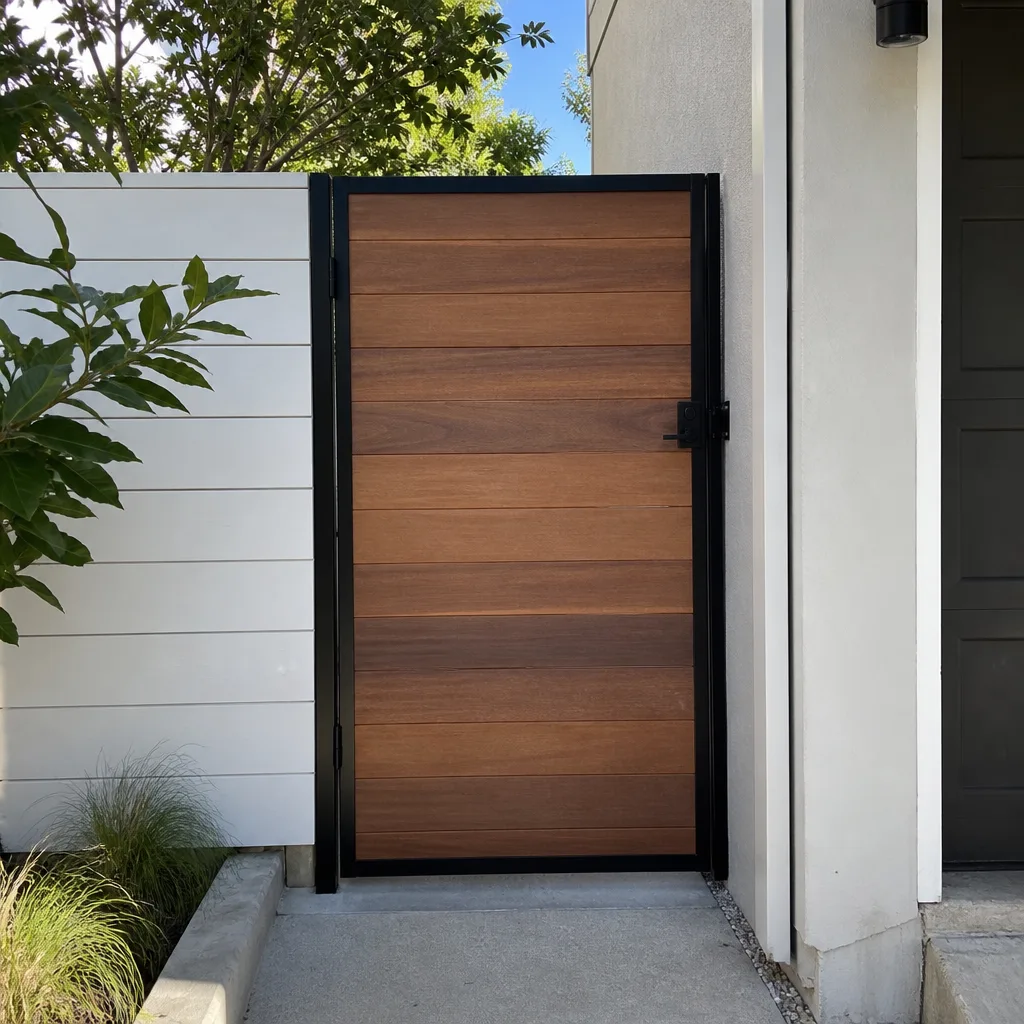 After
After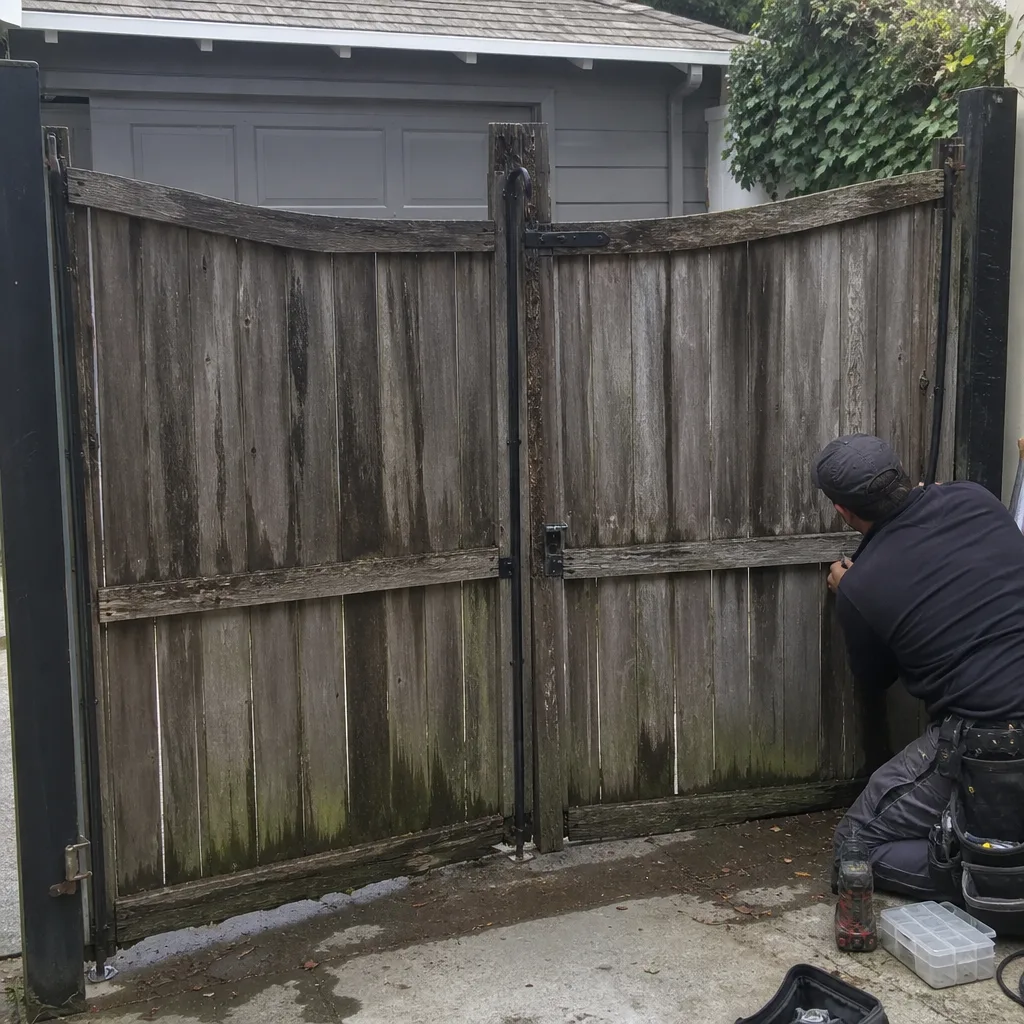 Before
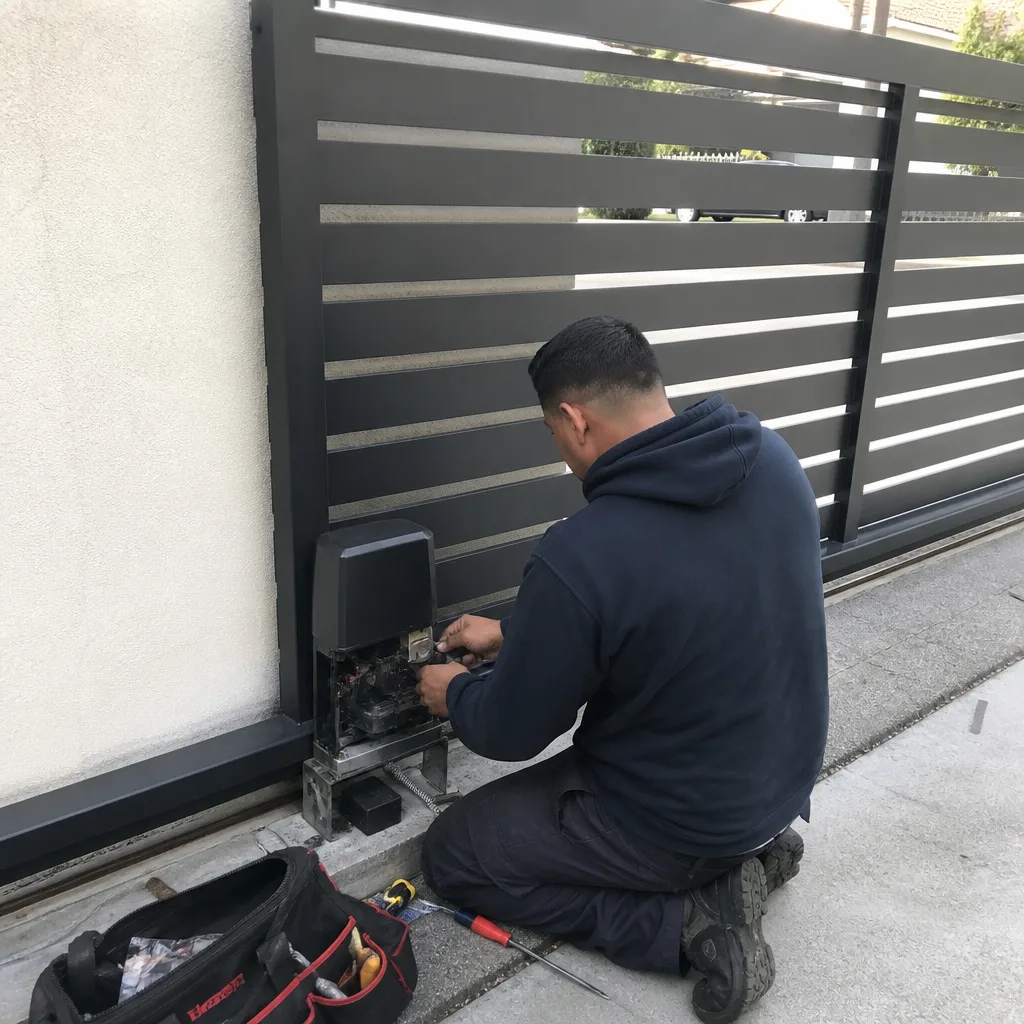 After
After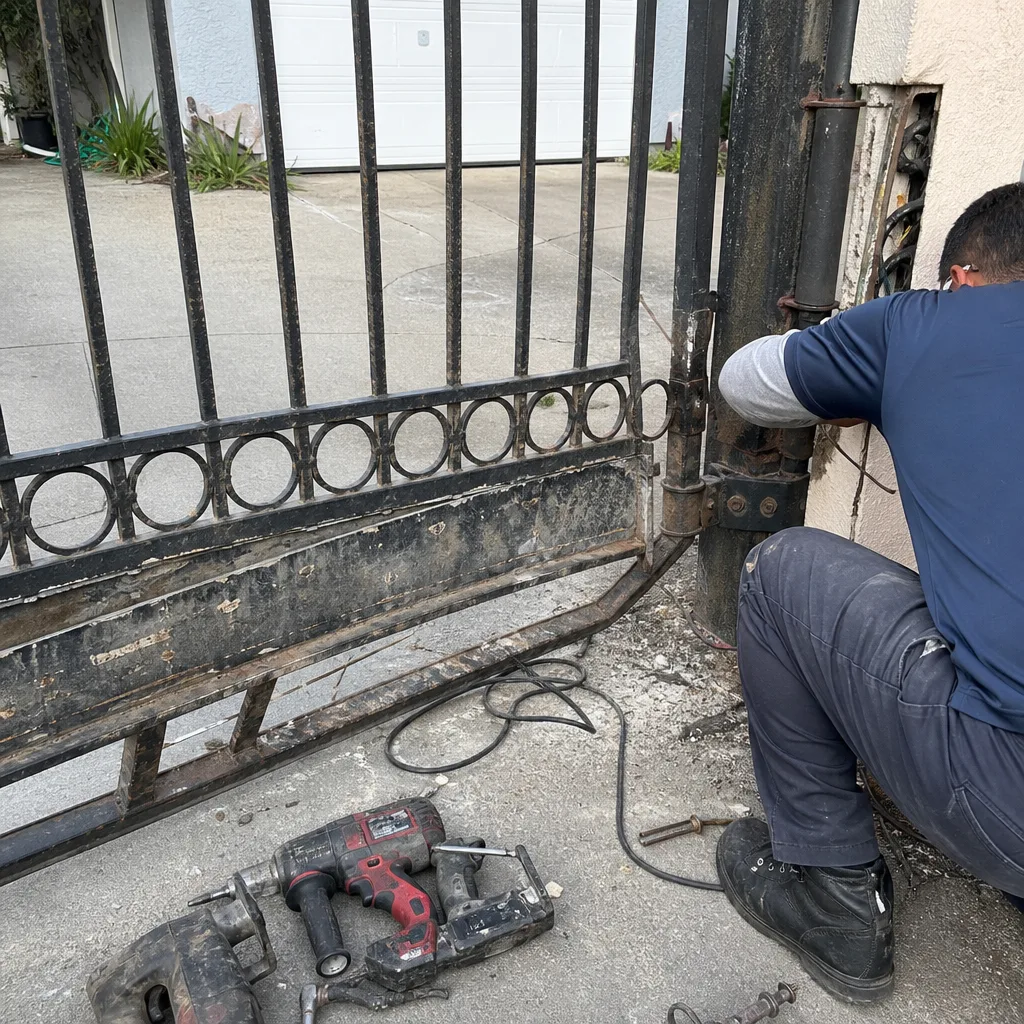 Before
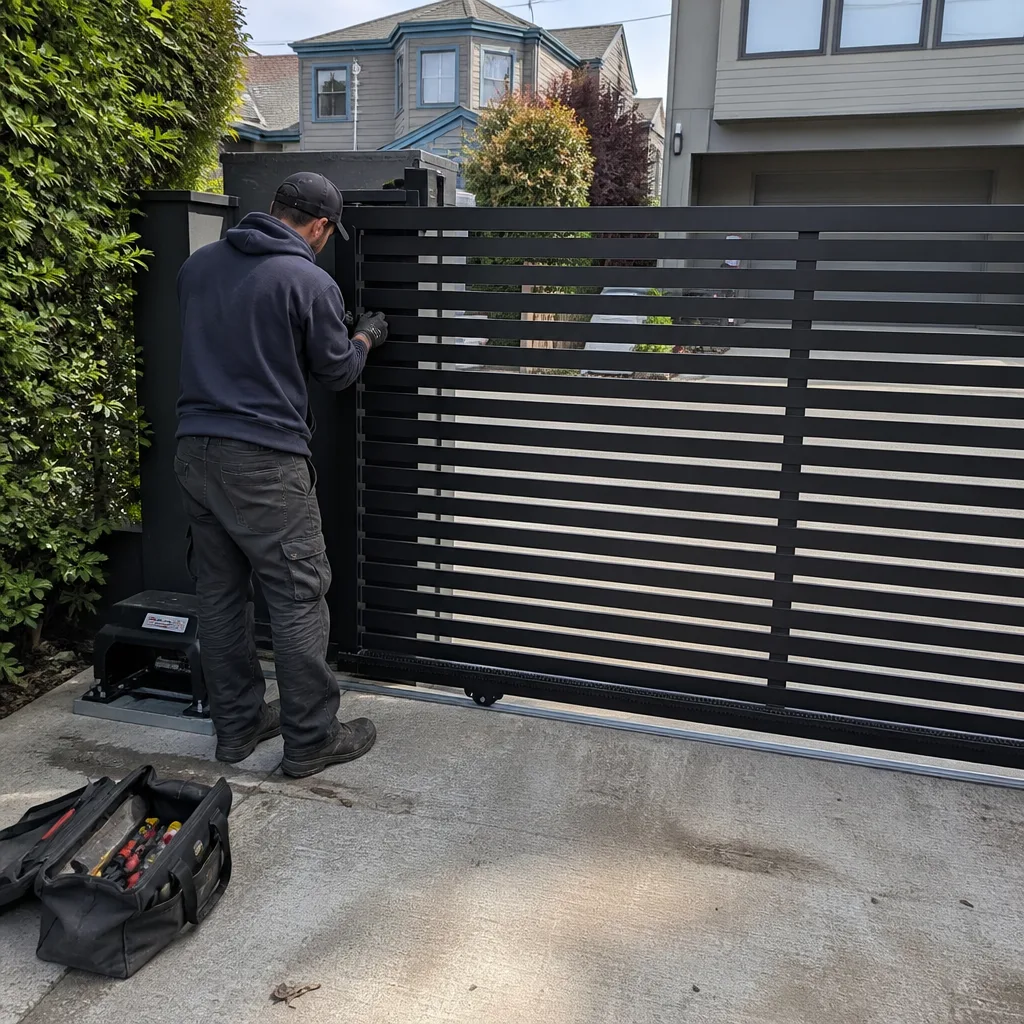 After
AfterWhat FAAC Gate Installation Costs in San Francisco
Every job is priced from a written estimate, never a guess after the work is done. Here are the ranges we typically see for FAAC work in San Francisco:
- FAAC swing gate operator install on existing gate (400 or 402 series, single leaf): $2,800 – $4,600
- FAAC slide gate operator install (E145 or E024S, residential track or cantilever): $3,400 – $6,200
- Full FAAC installation with new custom gate, posts, and operator: $7,500 – $14,000 depending on gate material, leaf weight, and site prep
- FAAC control board replacement (E-Series or S450H): $680 – $1,200 parts and labor
- FAAC hydraulic pump seal kit replacement (400-series): $450 – $850
What moves the price: whether the existing posts are plumb and reusable, the gate leaf weight, how far the power feed has to run, and whether your San Francisco lot has a steep setback that complicates slide track placement. You’ll always see the exact number in writing before we touch anything. Call (628) 227-2771 for a free estimate – no obligation, no pressure.
Why San Francisco Homeowners Call Latch and Post Gate Repair San Francisco for FAAC Work
Most gate companies in the Bay Area see a FAAC operator and treat it like any other box on a post. We don’t. Our technicians are trained on FAAC’s hydraulic and electromechanical lines specifically, and we carry the seal kits, batteries, boards, and limit switches that keep these systems running without waiting on a specialty distributor. But we also work on LiftMaster, Mighty Mule, Ghost Controls, and DoorKing every week, which means when a FAAC board dies and the cost of replacement approaches the cost of a smarter system for your situation, we can show you options instead of just rebuilding what failed.
Every visit includes shoe covers and drop cloths inside the home, a cleanup photo before we leave, and a written price before work begins. The 365-Day Done Right Promise covers every FAAC installation we do in San Francisco. If it isn’t right, we make it right. That’s the whole promise.
FAQs
In most cases, yes. If the site has existing low-voltage wiring and a working gate structure, we can often schedule the install within 3 to 5 business days. New construction or sites needing a new power circuit may take longer because we coordinate with your electrician and possibly the city permit office. Call (628) 227-2771 and we’ll give you an honest timeline for your specific street and setup.
FAAC’s warranty applies to the operator itself, not to the installer, so work done by an independent provider like us does not void the manufacturer’s coverage on the unit. We also use factory-spec parts when they’re the right call, and we document every install with clear photos. If you’re replacing a FAAC unit that’s still under warranty, we can help you file the claim with the distributor and install the replacement when it arrives.
If the issue is a seal kit, a control board, or a limit switch on a unit under 12 years old, repair usually wins. When the gearbox itself is worn, the housing is cracked, or the operator has been underwater from a driveway drain failure, replacement often costs less over five years. We price both paths in writing and let you decide with real numbers, not a preference.
Yes. We run dedicated circuits where needed, wire the operator, install and align FAAC-compatible photocells, and mount safety edges on the gate’s closing edge. Every installation is tested for obstruction reversal before we call it done. This is the part of a gate install you don’t want a general handyman improvising – a gate that doesn’t stop for a child or a dog is a liability, full stop.
With clean power, a dry housing, and a gate that’s properly hung, we see FAAC hydraulic operators run 12 to 15 years in San Francisco’s climate. The failures that shorten that life are nearly always preventable: water intrusion into the control board, a gate leaf that binds, or a backup battery left to cook in the sun. We inspect for those threats on every visit, which is the difference between a gate that works for a decade and one that quits every other winter. Call (628) 227-2771 to schedule an inspection or get a free estimate.
Written by Cody Beckman, Owner, Latch and Post Gate Repair San Francisco at Latch and Post Gate Repair San Francisco, serving San Francisco and nearby areas.